Βιωσιμότητα τροφίμων

This page is also available in:

Τα τρόφιμα βρίσκονται στο κέντρο της ζωής μας, αποτελούν δε αναπόσπαστο κομμάτι του ευρωπαϊκού πολιτισμού. Ωστόσο, οι τροφές που καταναλώνουμε, ο τρόπος που τις παράγουμε και οι ποσότητες που σπαταλούνται έχουν μείζονα αντίκτυπο στην ανθρώπινη υγεία, τους φυσικούς πόρους και την κοινωνία στο σύνολό της:

  • Οι πολίτες –και ιδίως τα παιδιά– αντιμετωπίζουν ολοένα συχνότερα προβλήματα υπερβολικού βάρους και παχυσαρκίας λόγω ανθυγιεινής διατροφής.
  • Οι αγρότες και οι εργαζόμενοι δεν λαμβάνουν δίκαιη αμοιβή για τα προϊόντα τους.
  • Ένα τρίτο των τροφίμων χάνεται ή σπαταλάται κατά μήκος της αλυσίδας παραγωγής τους.
  • Το περιβάλλον υφίσταται τις συνέπειες, μέσω των δραματικών επιπτώσεων της παραγωγής και κατανάλωσης τροφίμων στην κλιματική αλλαγή, την απώλεια βιοποικιλότητας, τη ρύπανση του ατμοσφαιρικού αέρα και των υδάτων, την υποβάθμιση του εδάφους κλπ.

Η κρίση COVID-19 αποτελεί προειδοποίηση για την ανάγκη αλλαγής. Κατέστησε σαφές ότι η διαδρομή των τροφίμων από «το αγρόκτημα στο πιάτο» δεν μπορεί να θεωρείται δεδομένη, και κατέδειξε την αλληλοσύνδεση των φορέων και των δραστηριοτήτων σε ολόκληρο το σύστημα τροφίμων. Η ανάγκη για αλυσίδες εφοδιασμού δίκαιες, αποδοτικές ως προς τη χρήση των πόρων, χωρίς αποκλεισμούς και βιώσιμες, που θα καλύπτουν ολόκληρο τον τομέα της γεωργίας και των τροφίμων, είναι μεγαλύτερη από ποτέ, ώστε να ωφεληθούν ισότιμα οι πολίτες, οι γεωργοί, οι εργαζόμενοι και οι επιχειρήσεις.

Η ΕΟΚΕ πρωτοστατεί εδώ και χρόνια στην προώθηση μιας βιώσιμης και ολοκληρωμένης πολιτικής τροφίμων. Αυτή η ολοκληρωμένη και συστημική προσέγγιση είναι απαραίτητη για την αντιμετώπιση των πολλαπλών και διασυνδεδεμένων προκλήσεων που επηρεάζουν τα συστήματα τροφίμων· την επίτευξη οικονομικής, περιβαλλοντικής και κοινωνικοπολιτιστικής βιωσιμότητας· τη διασφάλιση της ολοκλήρωσης και της συνεκτικότητας μεταξύ των τομέων πολιτικής (όπως η γεωργία, το περιβάλλον, η υγεία, η παιδεία, το εμπόριο, η οικονομία, η τεχνολογία κλπ.)· και την προώθηση της συνεργασίας μεταξύ των διαφόρων επιπέδων διακυβέρνησης.

  • The European Economic and Social Committee (EESC) adopted the opinion From Farm to Fork: a sustainable food strategy at its September Plenary session, following the European Commission's communication on the Farm to Fork Strategy - for a fair, healthy and environmentally-friendly food system. As an integral part of the European Green Deal, this is the first EU strategy claiming to encompass the entirety of the food chain.

  • This debate, hosted by the EESC, will feature a presentation by FAO of its recent report on the State of Food Security and Nutrition in the World 2025, including latest data and analysis, and updated estimates on the cost and affordability of healthy diets. 

  • Event type
    Public hearing

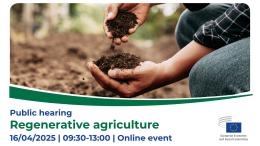
    On 16 April 2025, the EESC will hold an online event on the role that regenerative agriculture can play in revitalising rural areas, improving soil health, and enhancing carbon sequestration to ensure long-term productivity and food security.

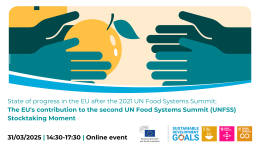
  • State of progress in the EU after the 2021 UN Food Systems Summit

    The UN Food Systems Summit (UNFSS) 2021 launched global actions to transform food systems and advance the SDGs. The second Stocktaking Moment (27–29 July 2025, Addis Ababa) will assess progress, highlight innovations, and address challenges. To contribute, the EESC, in collaboration with the FAO, will host an online public hearing on the EU’s progress toward sustainable food systems. The event will engage key stakeholders and explore governance gaps, with online participation.

  • where do we stand and what is the role of sustainable food systems in the implementation of the SDGs?

    Debate on the Agenda 2030 on sustainable development: where do we stand and what is the role of sustainable food systems in the implementation of the SDGs?

  • This public hearing aims to exchange views with civil society representatives from candidate countries and EU's stakeholders on the opportunities and challenges for the EU-agri-food sector with EU enlargement and to identify the contributions of the accession countries to the EU's social, environmental, and economic sustainability.

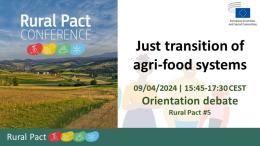
  • Rural Pact debate #5
    Event type
    Debate

    With this debate, the EESC wants to contribute to reflections on the foundations of a just transition framework on the agri-food sector to achieve a sustainable food system and move forward with concrete recommendations, for example, looking at the skills, capacity and mental support needed, or identifying some key policy areas and legal leverage points that could be triggered to start a just food transition for the EU.

    Given the link between agriculture and rural areas and farmers with food production, the recommendations of this opinion will also have a positive impact on rural development.

  • Event type
    Public hearing

    On 17 November 2023, the Permanent Group on Sustainable Food Systems (PG) and the Sustainable Development Observatory (SDO) of the EESC will hold a joint meeting on the theme "Sustainable food systems as drivers for the implementation of the SDGs" to bring together members of the two EESC bodies and representatives from the European Commission and other stakeholders from the agri-food chain.

  • On 6 November 2023, the EESC will host a public hearing in the context of its ongoing opinion on 'Promoting autonomous and sustainable food production: strategies for the Common Agricultural Policy (CAP) post-2027' requested by the upcoming Belgian Presidency of the Council of the EU.

  • Extraordinary meeting of the Civil Society Organisations' Group
    Event type
    Conference

    This is an in-person conference that will be live streamed. Registration for in-person participation is required.