Pārtikas nozares ilgtspēja

This page is also available in:

Mūsu dzīve bez pārtikas nav iedomājama, un pārtika ir neatņemama Eiropas kultūras sastāvdaļa. Tomēr pārtika, ko mēs ēdam, tās ražošanas veidi un izšķērdētās pārtikas daudzums būtiski ietekmē cilvēku veselību, dabas resursus un sabiedrību kopumā:

  • neveselīga uztura dēļ cilvēki — it īpaši bērni — arvien vairāk cieš no liekā svara un aptaukošanās;
  • lauksaimnieki un darba ņēmēji nesaņem taisnīgu samaksu par savu produkciju;
  • visā pārtikas ķēdē tiek zaudēta vai izšķērdēta viena trešdaļa pārtikas;
  • vide ir tā, kas cieš: pārtikas ražošana un patēriņš dramatiski ietekmē klimata pārmaiņas, bioloģiskās daudzveidības zudumu, gaisa un ūdens piesārņojumu, augsnes degradāciju utt.

Covid-19 radītā krīze ir modinātājzvans pārmaiņām. Tā ir apliecinājusi, ka pārtikas nogādāšanu “no lauka līdz galdam” nedrīkst uztvert kā pašu par sevi saprotamu, un ir parādījusi tirgus dalībnieku un darbību savstarpējo saistību visā pārtikas sistēmā. Lai nodrošinātu vienādus rezultātus iedzīvotājiem, lauksaimniekiem, darba ņēmējiem un uzņēmumiem, vairāk nekā jebkad agrāk ir vajadzīgas taisnīgas, resursefektīvas, iekļaujošas un ilgtspējīgas piegādes ķēdes visā lauksaimniecības un pārtikas sektorā.

Jau gadiem ilgi EESK ir bijusi avangardā, aicinot īstenot ilgtspējīgu un visaptverošu pārtikas politiku. Šāda integrēta un sistēmiska pieeja ir būtiska, lai risinātu daudzās un savstarpēji saistītās problēmas, kas ietekmē pārtikas sistēmas, kā arī lai nodrošinātu ekonomikas, vides, sociālās jomas un kultūras ilgtspēju un lai garantētu politikas jomu (piem., lauksaimniecības, vides aizsardzības, veselības, izglītības, tirdzniecības, ekonomikas, tehnoloģiju u. c.) integrēšanu un saskaņošanu, un lai sekmētu sadarbību dažādos pārvaldības līmeņos.

  • Tiek izstrādāti (updated on 21/08/2026) - Bureau decision date: 14/07/2026
    Atsauce
    NAT/1000-EESC
    Plenary session number
    611
    -
  • This event will explore how sustainable food systems can advance the implementation of the Sustainable Development Goals (SDGs) in today’s geopolitical and environmental landscape. The meeting will focus on SDG 7 (Affordable and Clean Energy) and SDG 11 (Sustainable Cities and Communities), both under review at the 2026 UN High-level Political Forum on Sustainable Development (HLPF). 

  • The EU needs a long-term vision that takes greater account of geographic specificities. Sustainable water management and food security must become top priorities, with food security and biodiversity going hand in hand. 

  • Event in the framework of the Cyprus Presidency of the Council of the EU
    Event type
    Conference

    Watch the recording of the event.

  • Pieņemtie on 18/03/2026 - Bureau decision date: 02/12/2025
    Atsauce
    NAT/977-EESC-2025
    Civil Society Organisations - GR III
    Austria
    Plenary session number
    604
    -
    • Record of proceedings NAT/977
    • Follow-up from the Commission NAT/977
    Download format:
    Download — EESK atzinums: Organic production rules – targeted amendment to Regulation 2018/848
  • This debate, hosted by the EESC, will feature a presentation by FAO of its recent report on the State of Food Security and Nutrition in the World 2025, including latest data and analysis, and updated estimates on the cost and affordability of healthy diets. 

  • Published in
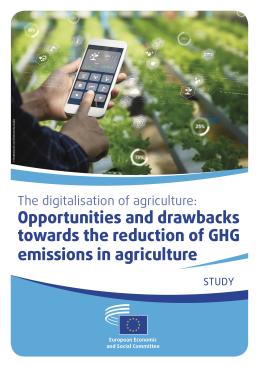
    Study
    70 pages

    Opportunities and drawbacks towards the reduction of GHG emissions in agriculture

    This study evaluates the environmental, social, and economic impacts of digitalisation based on a literature review and case studies in Estonia, Germany, Romania, and Spain

  • Published in
    Study
    82 pages

    Cultured meat (CM) is raising interest globally, including from multinational food companies, as an innovative technology to produce meat without farming animals. This completely different way of obtaining animal proteins is perceived as disruptive to the existing system. This study reviews the state of the art of research related to the potential impact of CM development on environmental, social and economic aspects of sustainability, highlighting important knowledge gaps. These gaps fuel polarised positions.

  • Pieņemtie on 18/03/2026 - Bureau decision date: 15/07/2025
    Atsauce
    NAT/963-EESC-2025
    Employers - GR I
    France
    Plenary session number
    604
    -
    • Record of Proceedings NAT/963
    • Follow-up from the Commission NAT/963
    Download format:
    Download — EESK atzinums: Generational renewal strategy
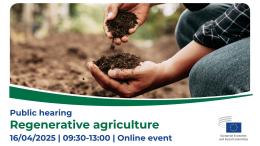
  • Event type
    Public hearing

    On 16 April 2025, the EESC will hold an online event on the role that regenerative agriculture can play in revitalising rural areas, improving soil health, and enhancing carbon sequestration to ensure long-term productivity and food security.