Potravinová udržateľnosť

This page is also available in:

Potraviny sú základom nášho života a neoddeliteľnou súčasťou európskej kultúry. Avšak to, aké potraviny konzumujeme, akým spôsobom ich vyrábame a ako nimi plytváme, má veľký vplyv na ľudské zdravie, prírodné zdroje a spoločnosť ako celok:

  • Občania – a najmä deti – čoraz viac trpia nadváhou a obezitou v dôsledku nezdravého stravovania.
  • Poľnohospodári a pracovníci nedostávajú za svoje výrobky spravodlivú cenu.
  • V celom potravinovom reťazci sa zničí alebo vyhodí jedna tretina potravín.
  • Dopláca na to životné prostredie, keďže výroba a spotreba potravín majú dramatické dôsledky, pokiaľ ide o zmenu klímy, stratu biodiverzity, znečistenie ovzdušia a vody, degradáciu pôdy atď.

Kríza COVID-19 bola varovným signálom, že nastal čas na zmenu. Ukázala nám, že skutočnosť, že sa potraviny dostávajú „z farmy na stôl“, nemožno považovať za samozrejmosť, a odhalila vzájomnú prepojenosť subjektov a činností v poľnohospodárstve a celom potravinovom systéme. V celom odvetví poľnohospodárstva a potravinárstva sú viac než kedykoľvek predtým potrebné spravodlivé, inkluzívne a udržateľné dodávateľské reťazce efektívne využívajúce zdroje, aby mali z neho rovnaký prospech občania, poľnohospodári, pracovníci aj podniky.

EHSV sa už roky intenzívne zasadzuje za udržateľnú a komplexnú potravinovú politiku. Takýto integrovaný a systémový prístup je nevyhnutný na to, aby sa vyriešilo množstvo vzájomne prepojených výziev, ktorým čelia potravinové systémy, aby sa zaručila hospodárska, environmentálna a sociálno-kultúrna udržateľnosť, zaistila integrácia a koherentnosť vo všetkých oblastiach politiky (ako je poľnohospodárstvo, životné prostredie, zdravie, vzdelávanie, obchod, hospodárstvo, technológie atď.) a podporila spolupráca všetkých úrovní verejnej správy.
  • In 2021, UN Secretary-General António Guterres will convene a Food Systems Summit as part of the Decade of Action to achieve the Sustainable Development Goals (SDGs) by 2030. The Summit will focus on the the fact that we all must work together to transform the way the world produces, consumes and thinks about food. 

  • The European Economic and Social Committee (EESC) adopted the opinion From Farm to Fork: a sustainable food strategy at its September Plenary session, following the European Commission's communication on the Farm to Fork Strategy - for a fair, healthy and environmentally-friendly food system. As an integral part of the European Green Deal, this is the first EU strategy claiming to encompass the entirety of the food chain.

  • This event will explore how sustainable food systems can advance the implementation of the Sustainable Development Goals (SDGs) in today’s geopolitical and environmental landscape. The meeting will focus on SDG 7 (Affordable and Clean Energy) and SDG 11 (Sustainable Cities and Communities), both under review at the 2026 UN High-level Political Forum on Sustainable Development (HLPF). 

  • Event in the framework of the Cyprus Presidency of the Council of the EU
    Event type
    Conference

    Registration for in-person participation is now closed. Streaming will be available on this page on the day of the event. Prior registration for the streaming is not required. 

  • This debate, hosted by the EESC, will feature a presentation by FAO of its recent report on the State of Food Security and Nutrition in the World 2025, including latest data and analysis, and updated estimates on the cost and affordability of healthy diets. 

  • Event type
    Public hearing

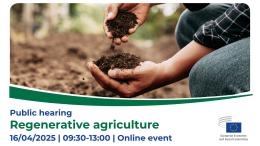
    On 16 April 2025, the EESC will hold an online event on the role that regenerative agriculture can play in revitalising rural areas, improving soil health, and enhancing carbon sequestration to ensure long-term productivity and food security.

  • State of progress in the EU after the 2021 UN Food Systems Summit

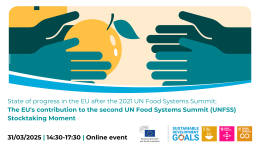
    The UN Food Systems Summit (UNFSS) 2021 launched global actions to transform food systems and advance the SDGs. The second Stocktaking Moment (27–29 July 2025, Addis Ababa) will assess progress, highlight innovations, and address challenges. To contribute, the EESC, in collaboration with the FAO, will host an online public hearing on the EU’s progress toward sustainable food systems. The event will engage key stakeholders and explore governance gaps, with online participation.

  • where do we stand and what is the role of sustainable food systems in the implementation of the SDGs?

    Debate on the Agenda 2030 on sustainable development: where do we stand and what is the role of sustainable food systems in the implementation of the SDGs?

  • This public hearing aims to exchange views with civil society representatives from candidate countries and EU's stakeholders on the opportunities and challenges for the EU-agri-food sector with EU enlargement and to identify the contributions of the accession countries to the EU's social, environmental, and economic sustainability.

  • Rural Pact debate #5
    Event type
    Debate

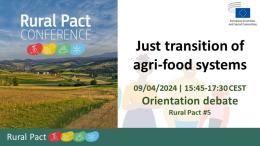
    With this debate, the EESC wants to contribute to reflections on the foundations of a just transition framework on the agri-food sector to achieve a sustainable food system and move forward with concrete recommendations, for example, looking at the skills, capacity and mental support needed, or identifying some key policy areas and legal leverage points that could be triggered to start a just food transition for the EU.

    Given the link between agriculture and rural areas and farmers with food production, the recommendations of this opinion will also have a positive impact on rural development.