Sostenibilità alimentare

This page is also available in:

Il cibo è un elemento fondamentale della nostra vita e fa parte integrante della cultura europea. Tuttavia, gli alimenti che mangiamo, il modo in cui li produciamo e le quantità che vanno sprecate hanno ripercussioni considerevoli sulla salute umana, sulle risorse naturali e sulla società nel suo complesso:

  • I cittadini – e in particolare i bambini – sono sempre più in sovrappeso e soffrono di obesità a causa di regimi alimentari non sani.
  • Gli agricoltori e i lavoratori non riescono ad ottenere prezzi equi per i loro prodotti.
  • Un terzo degli alimenti va perduto o sprecato lungo la catena alimentare.
  • È l'ambiente che paga il conto di questa situazione, con gli effetti drammatici della produzione e del consumo di alimenti sui cambiamenti climatici, sulla perdita di biodiversità, sull'inquinamento atmosferico e idrico, sul degrado del suolo, ecc.

La crisi COVID-19 è un campanello d'allarme che ci esorta a un cambiamento. Essa ha mostrato che portare gli alimenti "dal produttore al consumatore" non è un processo scontato, e che esiste un'interconnessione tra attori e attività nell'intero sistema alimentare. Sono più che mai necessarie filiere di approvvigionamento eque, efficienti sotto il profilo delle risorse, inclusive e sostenibili in tutto il settore agricolo e alimentare, con pari vantaggi per i cittadini, gli agricoltori, i lavoratori e le imprese.

Il CESE è da anni in prima linea nell'invocare una politica alimentare sostenibile e completa. Tale approccio integrato e sistemico è essenziale per: affrontare le molteplici e interconnesse sfide che interessano i sistemi alimentari; realizzare una sostenibilità economica, ambientale e socioculturale; garantire l'integrazione e la coerenza in tutti i settori politici (quali l'agricoltura, l'ambiente, la sanità, l'istruzione, il commercio, l'economia, la tecnologia, ecc.) e promuovere la cooperazione tra tutti i livelli di governance.

  • The European Economic and Social Committee (EESC) adopted the opinion From Farm to Fork: a sustainable food strategy at its September Plenary session, following the European Commission's communication on the Farm to Fork Strategy - for a fair, healthy and environmentally-friendly food system. As an integral part of the European Green Deal, this is the first EU strategy claiming to encompass the entirety of the food chain.

  • This debate, hosted by the EESC, will feature a presentation by FAO of its recent report on the State of Food Security and Nutrition in the World 2025, including latest data and analysis, and updated estimates on the cost and affordability of healthy diets. 

  • Event type
    Public hearing

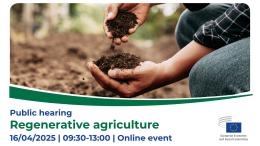
    On 16 April 2025, the EESC will hold an online event on the role that regenerative agriculture can play in revitalising rural areas, improving soil health, and enhancing carbon sequestration to ensure long-term productivity and food security.

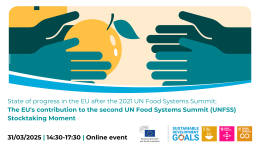
  • State of progress in the EU after the 2021 UN Food Systems Summit

    The UN Food Systems Summit (UNFSS) 2021 launched global actions to transform food systems and advance the SDGs. The second Stocktaking Moment (27–29 July 2025, Addis Ababa) will assess progress, highlight innovations, and address challenges. To contribute, the EESC, in collaboration with the FAO, will host an online public hearing on the EU’s progress toward sustainable food systems. The event will engage key stakeholders and explore governance gaps, with online participation.

  • where do we stand and what is the role of sustainable food systems in the implementation of the SDGs?

    Debate on the Agenda 2030 on sustainable development: where do we stand and what is the role of sustainable food systems in the implementation of the SDGs?

  • This public hearing aims to exchange views with civil society representatives from candidate countries and EU's stakeholders on the opportunities and challenges for the EU-agri-food sector with EU enlargement and to identify the contributions of the accession countries to the EU's social, environmental, and economic sustainability.

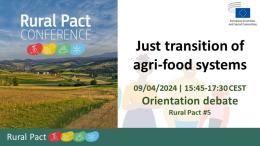
  • Rural Pact debate #5
    Event type
    Debate

    With this debate, the EESC wants to contribute to reflections on the foundations of a just transition framework on the agri-food sector to achieve a sustainable food system and move forward with concrete recommendations, for example, looking at the skills, capacity and mental support needed, or identifying some key policy areas and legal leverage points that could be triggered to start a just food transition for the EU.

    Given the link between agriculture and rural areas and farmers with food production, the recommendations of this opinion will also have a positive impact on rural development.

  • Event type
    Public hearing

    On 17 November 2023, the Permanent Group on Sustainable Food Systems (PG) and the Sustainable Development Observatory (SDO) of the EESC will hold a joint meeting on the theme "Sustainable food systems as drivers for the implementation of the SDGs" to bring together members of the two EESC bodies and representatives from the European Commission and other stakeholders from the agri-food chain.

  • On 6 November 2023, the EESC will host a public hearing in the context of its ongoing opinion on 'Promoting autonomous and sustainable food production: strategies for the Common Agricultural Policy (CAP) post-2027' requested by the upcoming Belgian Presidency of the Council of the EU.

  • Extraordinary meeting of the Civil Society Organisations' Group
    Event type
    Conference

    This is an in-person conference that will be live streamed. Registration for in-person participation is required.