Elintarvikehuollon kestävyys

This page is also available in:

Ruualla on keskeinen sija elämässämme, ja se on olennainen osa eurooppalaista kulttuuria. Syömämme ruoka, elintarvikkeiden tuotantotavat ja hävikin määrä vaikuttavat kuitenkin merkittävästi ihmisten terveyteen, luonnonvaroihin ja koko yhteiskuntaan:

  • Yhä useammat ihmiset – erityisesti lapset – kärsivät ylipainosta ja lihavuudesta epäterveellisen ruokavalion vuoksi.
  • Maataloustuottajat ja työntekijät eivät saa tuotteista oikeudenmukaista hintaa.
  • Kolmannes elintarvikkeista menee hukkaan tai haaskataan elintarvikeketjun eri vaiheissa.
  • Ympäristö joutuu kärsimään dramaattisista vaikutuksista, joita elintarvikkeiden tuotannolla ja kulutuksella on ilmastonmuutokseen, biologisen monimuotoisuuden köyhtymiseen, ilman ja veden saastumiseen, maaperän huonontumiseen jne.

Covid-19-pandemia on herättänyt huomaamaan muutoksen tarpeen. Se on osoittanut, ettei ruuan saamista ”pellolta pöytään” voida pitää itsestäänselvyytenä ja että koko elintarvikejärjestelmän toimijat ja toiminta ovat sidoksissa toisiinsa. Kaikkialla maatalous- ja elintarvikealalla on nyt välttämättömämpää kuin koskaan huolehtia oikeudenmukaisista, resurssitehokkaista, osallistavista ja kestävistä toimitusketjuista niin kansalaisten, maataloustuottajien, työntekijöiden kuin yritystenkin hyväksi.

ETSK on jo vuosia ollut eturintamassa vaatimassa kestäväpohjaista ja kattavaa elintarvikepolitiikkaa. Tällainen yhdennetty, koko järjestelmää koskeva lähestymistapa on välttämätön, jotta voidaan vastata elintarvikejärjestelmiin vaikuttaviin moninaisiin ja toisiinsa kytkeytyviin haasteisiin, huolehtia taloudellisesta, ympäristöön liittyvästä ja sosiokulttuurisesta kestävyydestä, varmistaa eri politiikanalojen (maatalous, ympäristö, terveys, koulutus, kauppa, talous, teknologia jne.) linkittyminen ja johdonmukaisuus sekä edistää eri hallintotasojen yhteistyötä.
  • In 2021, UN Secretary-General António Guterres will convene a Food Systems Summit as part of the Decade of Action to achieve the Sustainable Development Goals (SDGs) by 2030. The Summit will focus on the the fact that we all must work together to transform the way the world produces, consumes and thinks about food. 

  • The European Economic and Social Committee (EESC) adopted the opinion From Farm to Fork: a sustainable food strategy at its September Plenary session, following the European Commission's communication on the Farm to Fork Strategy - for a fair, healthy and environmentally-friendly food system. As an integral part of the European Green Deal, this is the first EU strategy claiming to encompass the entirety of the food chain.

  • This event will explore how sustainable food systems can advance the implementation of the Sustainable Development Goals (SDGs) in today’s geopolitical and environmental landscape. The meeting will focus on SDG 7 (Affordable and Clean Energy) and SDG 11 (Sustainable Cities and Communities), both under review at the 2026 UN High-level Political Forum on Sustainable Development (HLPF). 

  • Event in the framework of the Cyprus Presidency of the Council of the EU
    Event type
    Conference

    Watch the recording of the event.

  • This debate, hosted by the EESC, will feature a presentation by FAO of its recent report on the State of Food Security and Nutrition in the World 2025, including latest data and analysis, and updated estimates on the cost and affordability of healthy diets. 

  • Event type
    Public hearing

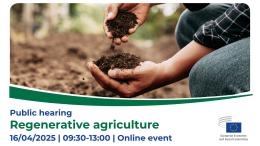
    On 16 April 2025, the EESC will hold an online event on the role that regenerative agriculture can play in revitalising rural areas, improving soil health, and enhancing carbon sequestration to ensure long-term productivity and food security.

  • State of progress in the EU after the 2021 UN Food Systems Summit

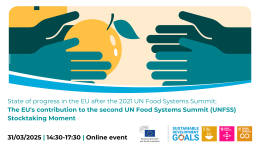
    The UN Food Systems Summit (UNFSS) 2021 launched global actions to transform food systems and advance the SDGs. The second Stocktaking Moment (27–29 July 2025, Addis Ababa) will assess progress, highlight innovations, and address challenges. To contribute, the EESC, in collaboration with the FAO, will host an online public hearing on the EU’s progress toward sustainable food systems. The event will engage key stakeholders and explore governance gaps, with online participation.

  • where do we stand and what is the role of sustainable food systems in the implementation of the SDGs?

    Debate on the Agenda 2030 on sustainable development: where do we stand and what is the role of sustainable food systems in the implementation of the SDGs?

  • This public hearing aims to exchange views with civil society representatives from candidate countries and EU's stakeholders on the opportunities and challenges for the EU-agri-food sector with EU enlargement and to identify the contributions of the accession countries to the EU's social, environmental, and economic sustainability.

  • Rural Pact debate #5
    Event type
    Debate

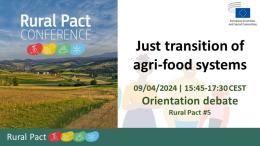
    With this debate, the EESC wants to contribute to reflections on the foundations of a just transition framework on the agri-food sector to achieve a sustainable food system and move forward with concrete recommendations, for example, looking at the skills, capacity and mental support needed, or identifying some key policy areas and legal leverage points that could be triggered to start a just food transition for the EU.

    Given the link between agriculture and rural areas and farmers with food production, the recommendations of this opinion will also have a positive impact on rural development.