Evropa

This page is also available in:

Pokud jde o Evropu, EHSV udržuje vztahy se sociálními partnery a s organizacemi občanské společnosti v zemích západního Balkánu, východního sousedství, ve státech ESVO EHP (Islandu, Lichtenštejnsku a Norsku) a ve Spojeném království.

Monitorovací výbor Západní Balkán je stálý interní orgán EHSV, který je hlavním nástrojem pro koordinaci činnosti Výboru v tomto regionu. V rámci své činnosti pořádá každé dva roky fórum občanské společnosti zemí západního Balkánu.

EHSV rovněž bilaterálně spolupracuje se zeměmi západního Balkánu, které zahájily jednání o přistoupení, a také s Tureckem. Tato spolupráce probíhá prostřednictvím specializovaných orgánů, které byly vytvořeny na základě dohod o přidružení mezi těmito zeměmi a EU. Cílem těchto smíšených poradních výborů je zapojit sociální partnery a organizace občanské společnosti do monitorování předvstupních a reformních procesů, jež by měly vést k členství v EU. Jednotlivé orgány se skládají ze stejného počtu členů z EHSV a z dané partnerské země a obvykle se scházejí jednou nebo dvakrát do roka.

EHSV rovněž zřídil monitorovací výbor Východoevropští sousedé, což je interní orgán, který je pověřen rozvíjením vztahů s občanskou společností v zemích této oblasti, tj. v Arménii, Ázerbájdžánu, Bělorusku, Gruzii, Moldavsku a Ukrajině.

Nejdůležitější mechanismy spolupráce s Arménií, Gruzií, Moldavskem a Ukrajinou jsou platformy občanské společnosti, které organizacím občanské společnosti z EU i z dané partnerské země umožňují monitorovat provádění dohod EU s těmito zeměmi a vypracovávat doporučení pro příslušné orgány. Ukrajina a Moldavsko se navíc staly v roce 2022 kandidátskými zeměmi.

Co se týče Běloruska a Ruska, rozvíjejí se vztahy s těmi organizacemi občanské společnosti, které dosud fungují svobodně, přičemž většina z těchto organizací působí na území EU. EHSV je toho názoru, že je důležité pokračovat v dialogu a čekat, až se v budoucnu situace zlepší.

Evropský hospodářský prostor (EHP) sdružuje členské státy EU a všechny tři státy ESVO EHP (Island, Lichtenštejnsko a Norsko) v rámci vnitřního trhu, na němž existuje volný pohyb zboží, služeb, kapitálu a osob. EHSV zasedá v Poradním výboru Evropského hospodářského prostoru, v jehož rámci se se zástupci sociálních partnerů ze států ESVO EHP projednávají otázky společného zájmu.

V neposlední řadě EHSV zřídil monitorovací výbor EU-Spojené království, jehož úkolem je monitorovat vztahy mezi EU a Spojeným královstvím Velké Británie a Severního Irska z pohledu občanské společnosti. Jeho činnost se soustředí zvláště na provádění dohody o vystoupení Spojeného království a Protokolu o Irsku/Severním Irsku, o nichž průběžně jedná s organizacemi občanské společnosti ve Spojeném králoství. Dále se zaměřuje na provádění dohody o obchodu a spolupráci mezi EU a Spojeným královstvím a v rámci této problematiky spolupracuje v souladu s touto dohodou s interní poradní skupinou EU.
  • Event type
    JCC Meeting

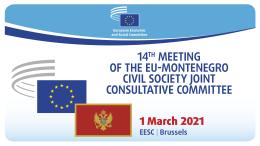
    For the 14th time, the European Economic and Social Committee (EESC) and Montenegro held the Civil Society Joint Consultative Committee (JCC). ge on the challenges ahead during the accession period.

    This 14th JCC tackled issues such as:

    • Current state of play in EU-Montenegro relations, including 2020 Montenegro Report and the response to the Covid-19 pandemics
    • Overview of the civil society situation in Montenegro

    A joint declaration was adopted at the meeting and distributed to all relevant EU institutions, as well as to the Montenegrin authorities.

  • The 9th meeting of the EU-Ukraine Civil Society Platform took place on 16 December 2020 remotely by videoconference. During the meeting, a debate was held to assess the state of play of the implementation of the EU-Ukraine Association Agreement. 

  • Representatives of the two Domestic Advisory Groups (DAG) from the EU and Moldova held the fifth joint meeting via video conference on 15 October 2020.

  • The 9th meeting of the EU Domestic Advisory Group under the EU-Ukraine DCFTA took place via a video conference on 22 October 2020. Please click on the programme tab to consult the topics on the agenda.

  • Joint meeting

    The representatives of the two Domestic Advisory Groups (DAGs) from the EU and Ukraine held their fourth joint meeting via a video conference on 28 October 2020. 

  • EU-Turkey JCC

    The EU-Turkey Civil Society Joint Consultative Committee  established in 1995 is composed of members from the EESC and members representing organised civil society in Turkey. Its objective is to contribute to the dialogue among civil society organisations in Turkey and the EU and to issue reports and recommendations to the Turkish authorities and the EU institutions.

    The discussions at this JCC meeting will focus on "the state of EU-Turkey relations and the role of civil society". Members will listen to presentations from Mr Margaritis Schinas, European Commission Vice-President with responsibility for migration and protecting our European way of life, on the topic of "the EU and its neighbours after the pandemic: recovery, resilience and cooperation"; and from Mr Faruk Kaymakçı, Deputy Minister of Foreign Affairs & Director for EU Affairs on "Re-energising EU-Turkey relations during and post pandemic period".


  • The 28th meeting of the European Economic Area Consultative Committee took place in Brussels (Belgium) on 18 September 2020. The members of the Committee discussed the latest developments in EEA and EU/EFTA issues as well as the impact of the COVID-19 pandemic on the labour market, and they adopted resolutions on the following topics: "The European Green Deal" and "The EUs Industrial Strategy and the EEA"


  • Representatives of the European and Georgian Domestic Advisory Groups (DAGs), set up under the Trade and Sustainable Development Chapter of the Association Agreement between the European Union and Georgia, held their fifth joint meeting virtually on 9 July 2020.

  • Event type
    Meeting

    The Civil Society Platform complements the political bodies existing within the framework of the EU-Georgia Association Agreement, and it allows civil society organisations from both sides to monitor the implementation process and prepare their recommendations to the relevant authorities both in Georgia as well as in the European Union.

    The 6th meeting of the EU-Georgia Civil Society Platform took place place on 26 February 2020 Brussels. During the meeting, a debate was held assessing the state of play of the implementation of the EU-Georgia Association Agreement. Constitutional reform in Georgia and occupational safety and health at workplace were also discussed.


  • Event type
    Meeting

    The 6th meeting of the EU-Moldova Civil Society Platform took place on 13 February 2020 in Chisinau in Moldova. During the meeting, a debate was held assessing the state of play of the implementation of the EU-Moldova Association Agreement. Social aspects of the implementation of the Association Agreement and Moldovan initiatives in justice sector and fighting corruption were discussed. Platform members also took stock of the Association Agenda EU-Moldova 2017-2019.