Europa

This page is also available in:

W Europie EKES utrzymuje stosunki z partnerami społecznymi i organizacjami społeczeństwa obywatelskiego na Bałkanach Zachodnich, w krajach wschodniego sąsiedztwa, w państwach EOG-EFTA: Islandii, Liechtensteinie i Norwegii, oraz w Zjednoczonym Królestwie.

Komitet Monitorujący ds. Bałkanów Zachodnich – stały wewnętrzny organ EKES-u – stanowi główne narzędzie koordynacji działań EKES-u w tym regionie. Elementem prac komitetu jest Forum Społeczeństwa Obywatelskiego Bałkanów Zachodnich, które odbywa się dwa razy w roku.

EKES współpracuje także dwustronnie z państwami z Bałkanów Zachodnich, które rozpoczęły negocjacje akcesyjne, oraz z Turcją – za pośrednictwem wyspecjalizowanych organów utworzonych na podstawie układów o stowarzyszeniu między tymi krajami a UE. Organy te – tj. wspólne komitety konsultacyjne – służą włączeniu partnerów społecznych i organizacji społeczeństwa obywatelskiego w monitorowanie reform i innych procesów poprzedzających ewentualne przystąpienie do UE. Każdy komitet składa się z równej liczby członków EKES-u i przedstawicieli kraju partnerskiego i zbiera się zazwyczaj raz lub dwa razy w roku.

EKES powołał również Komitet Monitorujący ds. Wschodnich Sąsiadów UE, organ wewnętrzny odpowiedzialny za umacnianie stosunków ze społeczeństwem obywatelskim w państwach regionu, tzn. w Armenii, Azerbejdżanie, Białorusi, Gruzji, Mołdawii i Ukrainie.

Najważniejszymi mechanizmami współpracy z Armenią, Gruzją, Mołdawią i Ukrainą są platformy społeczeństwa obywatelskiego, które umożliwiają organizacjom społeczeństwa obywatelskiego z UE i z kraju partnerskiego monitorowanie wdrażania umów UE z danym krajem oraz projektów zaleceń dla odpowiednich władz. Ponadto w 2022 r. Ukraina i Mołdawia zostały krajami kandydującymi.

Jeśli chodzi o Białoruś i Rosję, rozwijane są stosunki z tymi organizacjami społeczeństwa obywatelskiego, które nadal działają swobodnie, a z których większość ma teraz siedzibę na terytorium UE. Dla EKES-u jest ważne, aby podtrzymywać dialog, czekając na poprawę warunków w przyszłości.

Europejski Obszar Gospodarczy (EOG) łączy państwa członkowskie UE i trzy kraje EOG-EFTA (Islandię, Liechtenstein i Norwegię) w ramach rynku wewnętrznego, gdzie obowiązuje swoboda przepływu towarów, usług i kapitału oraz przemieszczania się osób. EKES wchodzi w skład Komitetu Konsultacyjnego Europejskiego Obszaru Gospodarczego, w którym omawia się kwestie wspólnego zainteresowania z przedstawicielami partnerów społecznych z krajów EOG-EFTA.

W EKES-ie działa także Komitet Monitorujący UE–Zjednoczone Królestwo, który odpowiada za monitorowanie stosunków UE ze Zjednoczonym Królestwem Wielkiej Brytanii i Irlandii Północnej z perspektywy społeczeństwa obywatelskiego. Prace komitetu koncentrują się zwłaszcza na realizacji umowy o wystąpieniu Zjednoczonego Królestwa z UE oraz Protokołu w sprawie Irlandii i Irlandii Północnej. Na ten temat komitet prowadzi bieżące rozmowy z organizacjami społeczeństwa obywatelskiego ze Zjednoczonego Królestwa. Ponadto zajmuje się kwestią wdrażania umowy o handlu i współpracy między Zjednoczonym Królestwem a UE. W tym zakresie współpracuje z kolei z wewnętrzną grupą doradczą UE, ustanowioną na mocy tej umowy.
  • Przyjęte on 27/04/2023 - Bureau decision date: 21/03/2023
    Sygnatura
    REX/575-EESC-2023
    Civil Society Organisations - GR III
    Plenary session number
    578
    -

    In accordance with the EU-UK Withdrawal Agreement, a number of EU legislative acts concerning sanitary and phytosanitary (SPS) measures apply to and in the UK in respect of Northern Ireland after the end of the transition period set out in the Withdrawal Agreement.

    Accordingly, the entry into Northern Ireland from other parts of the UK of certain consignments of products of animal or plant origin, including animal food, plants for planting, machinery and vehicles for agricultural or forestry purposes and seed potatoes falls within the scope of these acts and is subject to official controls, certification requirements and prohibitions. This also applies to non-commercial movements of certain pet animals.

    Download — Opinia EKES-u: Specific rules relating to the entry into Northern Ireland from other parts of the United Kingdom of certain consignments of goods
  • Przyjęte on 27/04/2023 - Bureau decision date: 21/03/2023
    Sygnatura
    REX/574-EESC-2023
    Workers - GR II
    Plenary session number
    578
    -

    In accordance with the EU-UK Withdrawal Agreement, Regulation (EC) No 726/2004 and Directive 2001/83/EC as well as the Commission acts based on them, apply to and in the UK in respect of Northern Ireland.


    Download — Opinia EKES-u: Specific rules relating to medicinal products for human use intended to be placed on the market of Northern Ireland
  • The EESC:

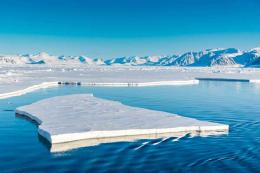
    • suggests that a systematic stocktaking exercise be carried out, evaluating how EU funds and instruments are perceived and used by the Arctic stakeholders in practice;
    • calls for Arctic decision-makers at all levels to more rigorously apply legal obligations and draw inspiration from best-practice standards and mechanisms for including, consulting and empowering all section of local civil society;
    • supports and encourages full consultation of and cooperation with indigenous peoples in the Arctic, bearing in mind the principle of free, prior and informed consent, before adopting and implementing measures that might affect them directly.
  • Reference number
    39/2024

    The European elections proved that the pro-European majority still holds, but also showed that voters across the EU demand urgent political and legislative responses to the challenges raised in the electoral campaign. Otherwise, the pro-European majority may risk losing support as citizens may increasingly turn their backs on the mainstream political forces.

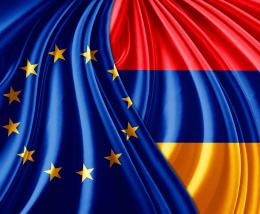
  • The second meeting of the EU-Armenia Civil Society Platform (CSP) was held on 10 March 2023 in Yerevan.

    During the meeting, a debate focused on assessing the state of play of the implementation of the EU-Armenia Comprehensive and Enhanced Partnership Agreement. The CSP debated the current challenges in the implementation of the Agreement and in progressing on the reform agenda.

    A joint declaration, prepared by both sides, was discussed and adopted.

  • Joint meeting

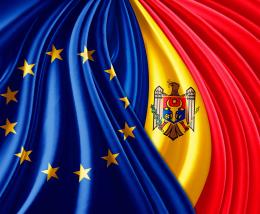
    Representatives of the two Domestic Advisory Groups (DAG) from the EU and Moldova, established under Chapter 13 on Trade and Sustainable Development (TSD) of the Deep and Comprehensive Free Trade Agreement between the Republic of Moldova and the European Union, held the seventh joint meeting on 7 March 2023. The objective of the meeting was to prepare a set of recommendations for the Civil Society Forum, which will take place on 17 March 2023.

  • The 6th meeting of the EU DAG set up under the EU-UK TCA featured the participation of the UK DAG Chair, Mr. Sean McGuire, to discuss the recent Windsor Framework on Northern Ireland, the situation of both DAGs and future joint steps. A DG TRADE representative presented and discussed with members the technical aspects of Level Playing Field provisions.

  • In the context of the reinforced follow-up of EESC Information Report
    -

    Following the adoption of the EESC Information Report on the Implementation of the EU-UK Withdrawal Agreement, the Committee is now promoting and giving it a reinforced follow-up using various communication channels, considering the relevance and the perfect timing of the subjects covered in the report.


  • Event type
    JCC Meeting

    For the 16th time, the European Economic and Social Committee (EESC) and Montenegro held the Civil Society Joint Consultative Committee (JCC). The JCC is a civil society platform established between the EESC and Montenegrin civil society. It complements with a civil society point of view the EU institutional framework related to the Stabilisation and Association Agreement between the EU and Montenegro. This joint institution allows civil society organisations on both sides to monitor the country's accession negotiations. It is also a platform to discuss issues of common interest and to inform the public at large on the challenges ahead during the accession period.


    This 16th JCC took place in Podgorica and tackled issues such as:

    • Current state of play in EU-Montenegro relations, including 2022 Montenegro Report
    • Revised enlargement methodology – Cluster 1: The Fundamentals of the Accession Process, with a special focus on Judiciary and Fundamental rights and the Functioning of democratic institutions
    • Revised enlargement methodology – Cluster 1: The Fundamentals of the Accession Process, with a special focus on Justice, Freedom and Security
    • Overview of the civil society situation in Montenegro

    A joint declaration was adopted at the meeting and will be distributed to all relevant EU institutions, as well as to the Montenegrin authorities.

  • The European Commission organised the first Civil Society Forum of the EU-UK trade and cooperation agreement (TCA) on 4 October 2022.