Europa

This page is also available in:

I Europa opretholder EØSU forbindelserne med arbejdsmarkedets parter og civilsamfundets organisationer på Vestbalkan, i de østlige nabolande, i EØS-EFTA-landene Island, Liechtenstein og Norge samt i Storbritannien.

Opfølgningsudvalget for det vestlige Balkan, som er et permanent, internt EØSU-organ, er det vigtigste instrument til koordinering af EØSU's aktiviteter i regionen. Civilsamfundsforummet for det vestlige Balkan, der afholdes hvert andet år, er en del af opfølgningsudvalgets arbejde.

EØSU har også et bilateralt samarbejde med de lande på Vestbalkan, der har indledt tiltrædelsesforhandlinger, samt med Tyrkiet, gennem særlige organer oprettet på basis af associeringsaftaler mellem de pågældende lande og EU. Formålet med disse blandede rådgivende udvalg er at inddrage arbejdsmarkedets parter og civilsamfundsorganisationerne i overvågningen af førtiltrædelses- og reformprocessen hen imod et eventuelt EU-medlemskab. Hvert enkelt organ består af lige mange medlemmer fra EØSU og partnerlandene, og de mødes normalt to gange om året.

EØSU har også nedsat et opfølgningsudvalg for de østlige nabolande, som er et internt organ med ansvar for at styrke forbindelserne med civilsamfundet i landene i denne region, dvs. Armenien, Aserbajdsjan, Belarus, Georgien, Moldova og Ukraine.

De vigtigste samarbejdsmekanismer med Armenien, Georgien, Moldova og Ukraine er civilsamfundsplatformene, som giver civilsamfundsorganisationer fra både EU og partnerlandene mulighed for at overvåge gennemførelsen af aftaler mellem EU og de pågældende lande og udarbejde henstillinger til de relevante myndigheder. Desuden blev Ukraine og Moldova kandidatlande i 2022.

Men hensyn til Belarus og Rusland udvikles der forbindelser med de civilsamfundsorganisationer, der stadig opererer frit, hvoraf de fleste befinder sig på EU's territorium. EØSU mener, at det er vigtigt at holde dialogen i live i afventning af bedre vilkår i fremtiden.

Det Europæiske Økonomiske Samarbejdsområde (EØS) omfatter EU-medlemsstaterne og de tre EØS-EFTA-stater (Island, Liechtenstein og Norge), der danner et indre marked, hvor varer, tjenesteydelser og personer kan bevæge sig frit. EØSU er medlem af det rådgivende udvalg for Det Europæiske Økonomiske Samarbejdsområde, hvor spørgsmål af fælles interesse drøftes med repræsentanter for arbejdsmarkedets parter fra EØS-EFTA-landene.

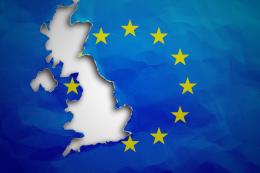
Endelig har EØSU nedsat opfølgningsudvalget EU/UK, der er ansvarligt for at overvåge forbindelserne mellem EU og Det Forenede Kongerige Storbritannien og Nordirland fra civilsamfundets synsvinkel. Opfølgningsudvalgets arbejde har navnlig fokus på gennemførelsen af udtrædelsesaftalen mellem EU og UK og protokollen om Irland og Nordirland, som det har en igangværende samtale om med civilsamfundsorganisationer fra UK. Det har ligeledes fokus på gennemførelsen af handels- og samarbejdsaftalen mellem EU og UK, som opfølgningsudvalget EU/UK samarbejder om med EU's interne rådgivende gruppe under handels- og samarbejdsaftalen mellem EU og UK.

  • Event type
    Meeting

    For the 13th time, the European Economic and Social Committee (EESC) and Montenegro held the Civil Society Joint Consultative Committee (JCC). The JCC is a civil society platform established between the EESC and Montenegrin civil society. It complements with a civil society point of view the EU institutional framework related to the Stabilisation and Association Agreement between the EU and Montenegro. This joint institution allows civil society organisations on both sides to monitor the country's accession negotiations. It is also a platform to discuss issues of common interest and to inform the public at large on the challenges ahead during the accession period.

    This 13th JCC was held in Podgorica and tackled issues such as:

    • The current state of play in EU-Montenegro relations and the accession process
    • Implementation of the Sustainable Development Goals (SDGs)
    • Chapter 27 of the accession negotiations – Environment and climate change
    • Overview of the media and civil society in Montenegro

    A joint declaration was adopted at the meeting. The joint declaration will be distributed to all relevant EU institutions, as well as to the Montenegrin authorities.

  • -

    The 7th meeting of the EU-Ukraine Civil Society Platform took place on 3-5 April 2019 in Lviv in Ukraine. During the meeting, a debate was held assessing the state of play of the implementation of the EU-Ukraine Association Agreement. And two reports, prepared by both sides, on the rights of trade unions and employees and on ensuring food security were discussed.

  • -

    The EU-Turkey Civil Society Joint Consultative Committee was established in 1995, based on the mandate given by the Ankara Agreement. This body is composed of members from the EESC and members representing organised civil society in Turkey. Its objective is to contribute to the dialogue among civil society organisations in Turkey and the EU and to issue reports and recommendations to the Turkish authorities and the EU institutions.

    The discussions at this JCC meeting will include the EU-Turkey relations and the meeting will focus in particular on "Trade development and investment environment for SMEs - Opportunities between the EU and Turkey" and "Civil society organisations, including the social partners, and Turkey-EU Accession Process". Other topics on the programme are "The modernisation of the EU-Turkey Customs Union" and "The visa dialogue".

  • Representatives of the European and Georgian Domestic Advisory Groups (DAGs), set up under the Trade and Sustainable Development Chapter of the Association Agreement between the European Union and Georgia, held their fourth joint meeting in Brussels on 26 March 2019. The participants followed-up on the implementation of the Trade and Sustainable Development Chapter of the Association Agreement.

  • The 5th meeting of the EU-Georgia Domestic Advisory Group took place on 18 March 2019 in Brussels. Please click on the programme tab to consult the topics on the agenda.

  • -
    Event type
    JCC Meeting

    The 27th meeting of of the European Economic Area Consultative Committee took place in the European Economic and Social Committee in Brussels (Belgium) on 23-24 May 2019.

    The members of the Committee discussed the latest developments in EEA and well as EU/EFTA issues. Special attention has been given to the 25th anniversary of the entry into force of the EEA Agreement. The Consultative Committee adopted two resolutions on the following topics:

    • The European Labour Authority
    • Benefits of 25 years of the EEA Agreement for the EEA countries
  • Event type
    Conference
  • For the 12th time, the European Economic and Social Committee (EESC) and Montenegro held the Civil Society Joint Consultative Committee (JCC). The JCC is a civil society platform established between the EESC and Montenegrin civil society. It complements with a civil society point of view the EU institutional framework related to the Stabilisation and Association Agreement between the EU and Montenegro. This joint institution allows civil society organisations on both sides to monitor the country's accession negotiations. It is also a platform to discuss issues of common interest and to inform the public at large on the challenges ahead during the accession period.

    This 12th JCC was held in Brussels and tackled the following issues:

    • The current state of play in EU-Montenegro relations and the accession process
    • Chapter 3: Right of establishment and freedom to provide services
    • Chapter 24 : Justice, freedom and security, with a special focus on migration
    • Overview of the civil society in Montenegro

    A joint declaration was adopted at the meeting. The joint declaration is distributed to all relevant EU institutions, as well as to the Montenegrin authorities.

  • Event type
    Meeting

    The Civil Society Platform complements the political bodies existing within the framework of the EU-Moldova Association Agreement, and it allows civil society organisations from both sides to monitor the implementation process and prepare their recommendations to the relevant authorities both in the Republic of Moldova as well as in the European Union. At this fourth meeting, participants discussed Human rights and democratic institutions in Moldova.

  • For the 11th time, the European Economic and Social Committee (EESC) and Montenegro held the Civil Society Joint Consultative Committee (JCC) in Podgorica, Montenegro.

    This meeting tackled following issues:

    • Assessment of the state of play in Montenegro accession negotiations to the EU
    • Chapter 19 of the accession negotiations – Social policy and employment, with a special focus on the European Pillar of Social Rights
    • Chapter 2 of the accession negotiations – Free movement of workers
    • Overview of the Civil Society situation in Montenegro