Toidu kestlikkus

This page is also available in:

Toit on meie elu keskmes ja Euroopa kultuuri lahutamatu osa. Toidul, mida me sööme, selle tootmise viisil ja raisatud toidu kogustel on suur mõju inimeste tervisele, loodusvaradele ja ühiskonnale tervikuna:

  • inimesed, sh iseäranis lapsed, kannatavad ebatervisliku toitumise tõttu üha enam ülekaalulisuse ja rasvumise all;
  • põllumajandustootjad ja -töötajad ei saa oma toodangu eest õiglast hinda;
  • kogu toiduahelas läheb kaotsi või raisku kolmandik toidust;
  • tagajärjed jäävad keskkonna kanda: toidu tootmisel ja tarbimisel on ränk mõju kliimamuutustele, elurikkuse vähenemisele, õhu- ja veereostusele, mulla degradeerumisele jne.

COVID-19 kriis on häirekell, mis annab märku muutuste vajadusest. See on esile toonud, et toidu jõudmist talust taldrikule ei tohi võtta enesestmõistetavana, ning on näidanud osalejate ja tegevuse omavahelist seotust kogu toidusüsteemis. Rohkem kui kunagi varem on kogu põllumajanduse ja toiduainesektoris vaja õiglasi, ressursitõhusaid, kaasavaid ja kestlikke tarneahelaid, et varustada ühtviisi nii inimesi, põllumajandustootjaid, töötajaid kui ka ettevõtteid.

Komitee on juba aastaid olnud kestliku ja tervikliku toidupoliitika nõudmisel esirinnas. Selline integreeritud ja süsteemne lähenemisviis on oluline, et lahendada toidusüsteeme mõjutavad arvukad ja omavahel seotud probleemid, tagada majanduslik, keskkonnaalane ja sotsiaalkultuuriline jätkusuutlikkus, kindlustada poliitikavaldkondade (nt põllumajandus, keskkond, tervishoid, haridus, kaubandus, majandus ja tehnoloogia) integreeritus ja sidusus ning edendada valitsemistasandite koostööd.

  • Towards EU food sovereignty

    In this issue:

    • Our members address the issue of EU food sovereignty with a view to the group's conference on 26 September 2023
    • Guest articles by Morgan Ody (Farmer in Brittany and General Coordinator of La Via Campesina), Marco Pierani (Director of Public Affairs at Euroconsumers) and Karen Ciesielski (CEO of Irish Environmental Network)
    • Interview on the action plan to conserve fisheries resources and protect marine ecosystems and the decarbonisation of the fishing fleet with rapporteur Javier Garat
    • Announcements of our upcoming conferences
    • Civil Society Organisations' Bulletin - September 2023
  • Vastuvõetud arvamused on 17/01/2024 - Bureau decision date: 13/07/2023
    Viide
    NAT/913-EESC-2023
    Civil Society Organisations - GR III
    Bulgaria
    Plenary session number
    584
    -

    EESC exploratory opinion NAT/913 - Towards the Common Agricultural Policy (CAP) post-2027: for an agricultural sector that meets economic, social and environmental needs

    Download format:
    Download — EMSK arvamus: Promoting autonomous and sustainable food production: strategies for the Common Agricultural Policy post-2027
  • State of progress after the 2021 UN Food Systems Summit

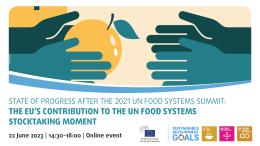
    On 22 June, the EESC will host an online public hearing to explore the state of progress of the EU on the path to more sustainable, fairer and inclusive food systems, following the new actions agreed upon during the UN Food System summit in 2021.

  • Vastuvõetud arvamused on 25/10/2023 - Bureau decision date: 25/04/2023
    Viide
    NAT/908-EESC-2023
    Civil Society Organisations - GR III
    France
    Plenary session number
    582
    -

    EESC opinion NAT/908 - Plants produced by new genomic techniques.

    Download format:
    Download — EMSK arvamus: Plants produced by new genomic techniques
  • Event type
    Public hearing

    On Friday, 14 April 2023, the NAT Section is organising a public hearing "Towards a European Food Policy Council / Sustainable Food System" to feed into the own-initiative opinion NAT/892- Towards a European Food Policy Council as a new governance model in the future EU Framework on Sustainable Food Systems in order to compile the views of the civil society organisations working on these issues.

  • On Thursday, 23 March 2023, the NAT Section is organising a public expert event "What next for European action on childhood obesity?" to feed into the exploratory opinion requested by the upcoming Spanish Presidency to the Council of the European Union.

  • Vastuvõetud arvamused on 13/07/2023 - Bureau decision date: 25/01/2023
    Viide
    NAT/891-EESC-2023
    Employers - GR I
    Spain
    Civil Society Organisations - GR III
    Ireland
    Plenary session number
    580
    -
    Download format:
    Download — EMSK arvamus: Sustainable water management and climate emergency: circular and other solutions for the EU agri-food system in a future "Blue Deal"
  • Vastuvõetud arvamused on 14/06/2023 - Bureau decision date: 25/01/2023
    Viide
    NAT/892-EESC-2023
    Workers - GR II
    Hungary
    Plenary session number
    579
    -
    Download format:
    Download — EMSK arvamus: Towards a European Food Policy Council as a new governance model in the future EU Framework on Sustainable Food Systems
  • Vastuvõetud arvamused on 13/07/2023 - Bureau decision date: 13/12/2022
    Viide
    NAT/890-EESC-2023
    Employers - GR I
    Spain
    Workers - GR II
    Spain
    Plenary session number
    580
    -

    This exploratory opinion will be an opportunity to follow up on the EESC work on sustainable food systems, address the causes of obesity as the social determinant of health and provide recommendations for promoting healthier and sustainable diets, healthy lifestyle habits and protection of vulnerable children to feed into the work of the Spanish presidency.

    Download format:
    Download — EMSK arvamus: Measures to reduce child obesity
  • Food security and sustainable food systems - With Commissioner Wojciechowski

    The EESC will host the third EU Youth Round Table on Wednesday 30 November, 14:30-16:00 CET. Janusz Wojciechowski, Commissioner for Agriculture, will participate in the event and will engage with the youth representatives on the topic: food security and sustainable food systems.