
European Economic
and Social Committee
Claudine Otto: På europæisk plan skal der tilstræbes større autonomi i forbindelse med globaliseringen.
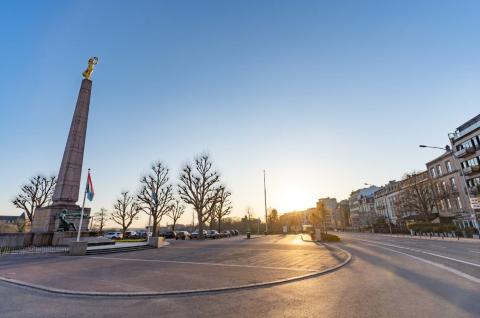
Umiddelbart efter meddelelsen om nedlukningen blev gaderne lagt øde. Tavsheden var larmende. Det var slut med at skynde sig for at nå gøremål og slut med rejser til udlandet for at deltage i møder på to timer, med bilernes dytten i byen, med at vente forgæves på bussen osv. Ligesom mange andre efterkom vi denne tvungne indespærring og prøvede på godt og ondt at tilpasse os til denne nye måde at leve på. For mit vedkommende var det nemt at arbejde hjemme, men det var ikke muligt for min mand, da hans arbejde og infrastrukturen ikke egnede sig til det. Denne tilpasningsvanskelighed kostede ham imidlertid nogle nætter uden søvn på grund af hans medarbejderes rekordstore fravær. Frygten spredte sig mindst lige så hurtigt som selve virussen.
Nu hvor den første bølge er overstået, tænker jeg: Hvilken mental, social og økonomisk tilstand bevæger vi os ud af denne krise i? Pandemien har ganske vist gjort det muligt at foretage en ny prioritering af det væsentlige og skabt miljøbevidsthed, men den har også vist noget om den individuelle adfærd på nationalt og globalt plan. Ingen troede, at grænserne i Luxembourg ville blive lukket igen. Grænsearbejde er vigtigt i storhertugdømmet, og restriktionerne for den frie bevægelighed for personer fik os til at frygte mangel på bl.a. plejepersonale.
Denne krise har også givet anledning til selvrefleksion over vores egen sårbarhed. Vi har opdaget, at vi er afhængige, ikke blot af plejepersonalet, men også af andres adfærd.
Den økonomiske genopretning kommer til at foregå i fællesskab. Vi skal undgå nationalisme og begrænsninger af økonomiernes åbenhed, nu hvor nogle lande af hensyn til modstandsdygtigheden bevæger sig i retning af en nationalisering af værdikæderne. På europæisk plan skal der tilstræbes større autonomi i forbindelse med globaliseringen. Med denne krise har vi bogstavelig talt mulighed for at standse op et øjeblik, så vi kan reflektere over os selv.