
European Economic
and Social Committee
Claudine Otto: Una mayor autonomía con respecto a la globalización se debe concebir a escala europea
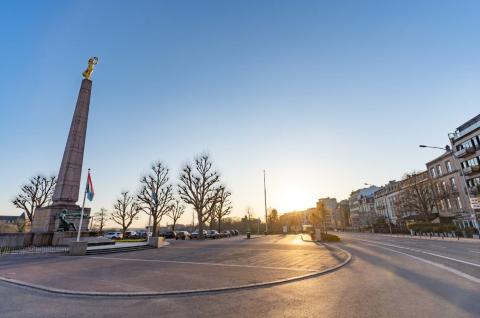
En cuanto se anunció el confinamiento, las calles quedaron desiertas. Lo que llama la atención es el silencio. Se acabaron las prisas por ir de un sitio a otro, los viajes al extranjero para asistir a una reunión de dos horas, los cláxones en la ciudad, y el autobús que no llega... Como muchos otros, respetamos el obligado confinamiento, tratando lo mejor que pudimos de amoldarnos a este nuevo estilo de vida. Aunque para mí el teletrabajo fue fácil, era inconcebible para mi marido, porque ni su trabajo ni las infraestructuras se prestaban (ni se prestan) para ello. Esta situación le valió unas cuantas noches de insomnio por el absentismo récord de sus empleados. El miedo se propagó al menos tan rápido como el propio virus.
Ahora que ha pasado la primera oleada, me pregunto: ¿en qué estado psicológico, social y económico saldremos de esta crisis? Aunque la pandemia ha dado lugar a una nueva jerarquización de los valores —distinguiendo lo que es esencial y lo que no— y ha conducido a una mayor conciencia ecológica, también ha revelado comportamientos individuales a escala nacional y mundial. Nadie en Luxemburgo hubiera pensado que se podría volver a vivir un cierre de fronteras. En el Gran Ducado, el trabajo fronterizo es esencial, y la restricción de la libre circulación de personas nos hizo temer, en particular, una escasez de cuidadores.
Esta crisis también nos brinda la oportunidad de reflexionar sobre nuestra propia vulnerabilidad. Descubrimos que dependemos no solo de los cuidadores, sino también del comportamiento de los demás.
La recuperación económica se logrará conjuntamente. Evitemos el nacionalismo y el repliegue de las economías, en un momento en que algunos países, en nombre de la resiliencia, hablan de nacionalizar las cadenas de valor. Una mayor autonomía con respecto a la globalización se debe concebir a escala europea. Con esta crisis, se nos brinda la oportunidad de detenernos por un momento y de reflexionar sobre nosotros mismos.