
European Economic
and Social Committee
Claudine Otto: Eine größere Unabhängigkeit von der Globalisierung muss auf europäischer Ebene angestrebt werden.
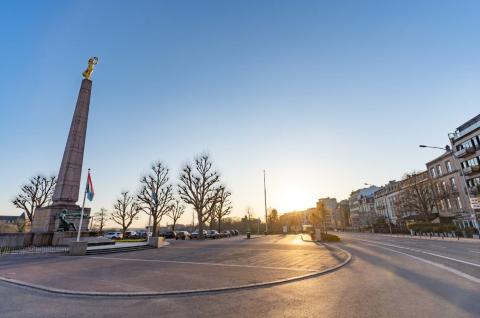
Seit der Verhängung des Lockdowns sind die Straßen wie ausgestorben. Was auffällt, ist die Stille. Kein Hetzen mehr von einem Termin zum anderen, keine Auslandsreisen für ein zweistündiges Meeting, kein Hupen in der Stadt, kein Bus, der nicht kommt... Wie viele andere auch haben wir uns dieser erzwungenen Abschottung gebeugt und versucht, mit diesem neuen Lebensstil irgendwie zurechtzukommen. Während ich problemlos im Homeoffice arbeiten konnte, war es für meinen Mann undenkbar, da sein Beruf und die Infrastruktur sich dafür nicht eign(et)en. Das hat ihm einige schlaflose Nächte beschert, da extrem viele seiner Angestellten nicht zur Arbeit kamen. Denn die Angst hat sich mindestens so schnell wie das Virus verbreitet.
Jetzt, nachdem die erste Welle vorbei ist, frage ich mich, in welcher psychischen, sozialen und wirtschaftlichen Verfassung wir uns nach dieser Krise befinden werden? Die Pandemie ermöglichte uns zwar eine Neudefinition dessen, was wesentlich ist, sowie eine Schärfung des ökologischen Bewusstseins, bescherte uns aber auch so manchen Alleingang auf nationaler und internationaler Ebene. Niemand in Luxemburg hätte es für möglich gehalten, dass die Grenzen wieder geschlossen werden. Grenzgänger sind für das Großherzogtum unabdingbar, und aufgrund der Einschränkung des freien Personenverkehrs mussten wir unter anderem einen Mangel an Pflegekräften fürchten.
Diese Krise ist auch die Gelegenheit, sich auf unsere eigene Verwundbarkeit zu besinnen. Wir stellen fest, dass wir abhängig sind – und zwar nicht nur von Pflegekräften, sondern auch vom Verhalten der anderen.
Der wirtschaftliche Wiederaufbau ist nur gemeinsam möglich. Es gilt, Nationalismus und den Rückzug der Volkswirtschaften auf sich selbst zu vermeiden, auch wenn einige Länder im Namen der Resilienz von der Nationalisierung der Wertschöpfungsketten sprechen. Eine größere Unabhängigkeit von der Globalisierung muss auf europäischer Ebene angestrebt werden. Diese Krise bietet uns sozusagen die Möglichkeit, kurz innezuhalten, um über uns selbst nachzudenken.