
Europa

This page is also available in:

EGSO u Europi održava odnose sa socijalnim partnerima i organizacijama civilnog društva na zapadnom Balkanu, u istočnom susjedstvu, u državama EFTA-e koje su članice EGP-a, odnosno u Islandu, Lihtenštajnu i Norveškoj, te u Ujedinjenoj Kraljevini.

Odbor za praćenje zapadnog Balkana – trajno unutarnje tijelo EGSO-a – glavni je instrument za koordinaciju aktivnosti EGSO-a u toj regiji. Forum civilnog društva zapadnog Balkana, koji se održava svake dvije godine, spada u rad tog Odbora za praćenje.

EGSO također bilateralno surađuje sa zemljama zapadnog Balkana koje su započele pregovore o pristupanju i s Turskom putem specijaliziranih tijela osnovanih na temelju sporazuma o pridruživanju između tih zemalja i EU-a. Svrha je tih zajedničkih savjetodavnih odbora uključiti socijalne partnere i organizacije civilnog društva u praćenje pretpristupnog procesa i procesa reformi koji bi mogli dovesti do članstva u EU-u. Svako od tih tijela sastoji se od jednakog broja članova iz EGSO-a i partnerske zemlje i obično se sastaje jednom ili dvaput godišnje.

EGSO je također osnovao Odbor za praćenje istočnog susjedstva, unutarnje tijelo nadležno za jačanje odnosa s civilnim društvom u zemljama te regije, odnosno Armeniji, Azerbajdžanu, Bjelorusiji, Gruziji, Moldaviji i Ukrajini.

Glavni mehanizmi suradnje s Armenijom, Gruzijom, Moldavijom i Ukrajinom su platforme civilnog društva koje organizacijama civilnog društva iz EU-a i partnerskih zemalja omogućuju praćenje provedbe sporazuma EU-a s tim zemljama i izradu preporuka za nadležna tijela. Povrh toga, Ukrajina i Moldavija postale su zemlje kandidatkinje 2022.

Kad je riječ o Bjelorusiji i Rusiji, razvijaju se odnosi s onim organizacijama civilnog društva koje još slobodno djeluju, od kojih je većina smještena na teritoriju EU-a. EGSO smatra da je važno održavati otvoren dijalog dok se čeka da u budućnosti zavladaju bolji uvjeti.

Europski gospodarski prostor (EGP) okuplja države članice EU-a i tri države EFTA-e (Island, Lihtenštajn i Norvešku) na unutarnjem tržištu na kojem se roba, usluge, kapital i osobe slobodno kreću. EGSO je član Savjetodavnog odbora za Europski gospodarski prostor, u kojem se s predstavnicima socijalnih partnera iz država EFTA-e koje su članice EGP-a raspravlja o pitanjima od zajedničkog interesa.

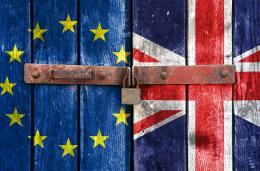
Naposljetku, u okviru EGSO-a djeluje i Odbor za praćenje EU-a i Ujedinjene Kraljevine čija je zadaća pratiti odnose između EU-a i Ujedinjene Kraljevine Velike Britanije i Sjeverne Irske iz perspektive civilnog društva. Taj se odbor prvenstveno bavi provedbom Sporazuma o povlačenju Ujedinjene Kraljevine iz EU-a i Protokola o Irskoj i Sjevernoj Irskoj, o kojima raspravlja s organizacijama civilnog društva iz Ujedinjene Kraljevine, kao i provedbom Sporazuma o trgovini i suradnji između EU-a i Ujedinjene Kraljevine, u vezi s kojim surađuje s Unutarnjom savjetodavnom skupinom EU-a uspostavljenom u okviru tog ugovora.

  • Event type
    JCC Meeting

    For the 16th time, the European Economic and Social Committee (EESC) and Montenegro held the Civil Society Joint Consultative Committee (JCC). The JCC is a civil society platform established between the EESC and Montenegrin civil society. It complements with a civil society point of view the EU institutional framework related to the Stabilisation and Association Agreement between the EU and Montenegro. This joint institution allows civil society organisations on both sides to monitor the country's accession negotiations. It is also a platform to discuss issues of common interest and to inform the public at large on the challenges ahead during the accession period.


    This 16th JCC took place in Podgorica and tackled issues such as:

    • Current state of play in EU-Montenegro relations, including 2022 Montenegro Report
    • Revised enlargement methodology – Cluster 1: The Fundamentals of the Accession Process, with a special focus on Judiciary and Fundamental rights and the Functioning of democratic institutions
    • Revised enlargement methodology – Cluster 1: The Fundamentals of the Accession Process, with a special focus on Justice, Freedom and Security
    • Overview of the civil society situation in Montenegro

    A joint declaration was adopted at the meeting and will be distributed to all relevant EU institutions, as well as to the Montenegrin authorities.

  • The European Commission organised the first Civil Society Forum of the EU-UK trade and cooperation agreement (TCA) on 4 October 2022.


  • The EU Domestic Advisory Groups (DAGs), set up under the EU-UK Trade and Cooperation Agreement (TCA) to advise on the implementation of the agreement, held their first meeting on 3 October 2022, in Brussels. 


  • The 5th meeting of the EU DAG set up under the EU-UK TCA was dedicated to the assessment of the first year of DAG work -including the recent EU-UK Civil Society Forum, to an update on the Trade Specialised Committees and to a structured discussion of selected issues and recommendations with a DG TRADE representative.

  • Representatives of the European and Ukrainian Domestic Advisory Groups (DAGs), set up under the Association Agreement between the European Union and Ukraine, held their sixth joint meeting on 26 January 2023. The objective of the meeting was to prepare a set of recommendations for the EU-Ukraine Trade and Sustainable Development Sub-Committee and the Civil Society Forum, which will take place in March 2023.

  • The 13th meeting of the EU Domestic Advisory Group under the EU-Ukraine DCFTA took place via a videoconference on 17 January 2023. Please click on the programme tab to consult the topics on the agenda.

  • The 10th meeting of the EU-Georgia Civil Society Platform (CSP) was convened on 16 December 2022. During the meeting, a debate focused on assessing the implementation of the 12 priorities identified by the EU and the state of play of the implementation of the EU-Georgia Association Agreement/DCFTA. The Platform also discussed the implementation of the Chapter 16 on Education, training and youth. 

    A joint declaration, prepared by both sides, was discussed and adopted.

  • The upcoming meeting of the Section for External Relations, which will take place on 20 December 2022, will be dedicated to EU-UK relations. The EU-UK Follow-up Committee was set up in March 2021 primarily to maintain and strengthen relations between UK and EU civil society organisations, and to monitor implementation of the EU-UK Withdrawal Agreement.


  • The 12th meeting of the EU-Ukraine Civil Society Platform took place on 1 December 2022. During the meeting, a debate was held on the enhancement of Ukraine's integration into the EU, as well as the needs and challenges for Ukraine today and in the post-war reconstruction, with special focus on energy, social aspects and critical infrastructure. A joint declaration, prepared by both sides, was discussed and adopted.

  • Representatives of the European and Georgian Domestic Advisory Groups (DAGs), set up under the Trade and Sustainable Development Chapter of the Association Agreement between the European Union and Georgia, held their seventh joint meeting on 29 November 2022 in Brussels. The objective of the meeting was to prepare a set of recommendations for the EU-Georgia Trade and Sustainable Development Sub-Committee and the Civil Society Forum, which took place in December 2022.