Obehové hospodárstvo

This page is also available in:

Prechod na obehové hospodárstvo patrí medzi priority EHSV ako jedno z riešení v boji proti klimatickej kríze a na ochranu našej planéty. Je to skvelá príležitosť pre občiansku spoločnosť, keďže to môže pomôcť:

  • zvýšiť konkurencieschopnosť európskeho priemyslu,
  • podporiť udržateľný hospodársky rast,
  • vytvoriť nové pracovné miesta.

Model výroby a spotreby podľa zásady „vziať - vyrobiť - odhodiť“, ktorý v našom hospodárstve ešte stále prevláda, vedie nielen k plytvaniu zdrojmi, ale taktiež sťažuje boj proti zmene klímy. Na rozdiel od tohto lineárneho hospodárstva vychádza obehové hospodárstvo z koncepcie regenerácie a obnoviteľnosti a zameriava sa na tvorbu a zachovanie hospodárskej hodnoty, pričom pomáha riešiť globálne environmentálne výzvy, ako sú zmena klímy, strata biodiverzity a znečistenie, a zároveň prináša hospodárske výhody.

Dobrou správou je, že transformácia na obehové hospodárstvo sa už v praxi stáva realitou. Zainteresované subjekty z radov občianskej spoločnosti vrátane podnikov, odborových zväzov, akademickej obce a znalostných komunít, mládežníckych organizácií, ako aj MVO a iných záujmových skupín vytvárajú a realizujú množstvo obehových iniciatív na miestnej a regionálnej úrovni. Podpora obehových riešení a vedúcej sily príslušných zainteresovaných subjektov je pre Európu najlepším spôsobom, ako urýchliť prechod na obehové hospodárstvo.

Má k tomu prispieť aj Európska platforma pre obehové hospodárstvo, ktorá bola ako spoločná iniciatíva EHSV a Európskej komisie zriadená v roku 2017 s cieľom spojiť komunitu obehového hospodárstva v Európe. Platforma zameraná na zainteresované subjekty podporuje prechod Európy na obehové hospodárstvo prostredníctvom podpory dialógu a výmeny poznatkov a osvedčených postupov.

  • The COVID-19 crisis has created the conditions for circular products and services to become the norm in Europe, says the EESC. In a recent opinion on the new EU Circular Economy Action Plan, the EESC urges lawmakers to ensure the circular economy finds a place and resources in the overall "greenprint" for Europe's recovery.

  • Rural Pact debate #6

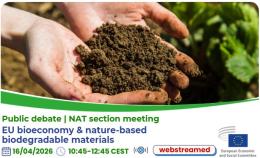
    This event will explore how circular economy and bioeconomy can drive sustainable agri-food systems development across both rural and urban areas in the EU, through the presentation of innovative approaches that support the balanced development of rural and urban communities

  • Event type
    Public hearing

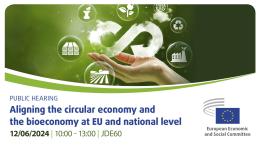
    On 12 June 2024, the EESC will hold a public hearing in connection with its ongoing opinion on Aligning the circular economy and the bioeconomy at EU and national level which aims to enhance the synergy between bioeconomy, circularity, and sustainability by adopting a more integrated and systemic perspective on the circular bioeconomy.

  • Debate
    Event type
    Debate

    The EESC is convinced that islands, mountainous regions and sparsely populated areas face significant challenges and that there is a solid legal basis that obliges the EU to take action in order to tackle these challenges. In this context, the organised civil society has an important role to play and through this debate, the aim is to find the best practices and solutions so that these regions can perform better and recover from the multiple crises. Therefore the EESC- ECO section has decided to organise this public debate in the framework of the EESC own-intiative opinion on "Main challenges that EU islands, mountain and sparsely populated areas face.

  • Event type
    Debate

    Insularity is considered to be a permanent and unchangeable geographical feature which involves additional costs (transport, energy, waste management, public services, necessity goods and services) that hamper the development and competitiveness of the islands, while particularly exposing them to biodiversity loss and climate change. The organised civil society has an important role to play and tackle all these challenges and through this debate. The aim is to find the best practices and solutions so that EU islands can preform better and recover from the multiple crises.

  • How can these regions become drivers for growth and development?
    Event type
    Public hearing

    The European Economic and Social Committee (EESC) will be producing an own-initiative opinion on the main challenges faced by EU islands and mountainous and sparsely populated areas, which is scheduled for adoption at the EESC's September plenary session. In this context, the EESC, along with the Conference of Peripheral Maritime Regions (CPMR) and the North Sweden European Office (NSEO), will be holding a public hearing in Umeå (Sweden) on 4 May 2023 entitled "Challenges and opportunities that the digital and energy transitions present to the northern sparsely populated areas and islands. How can these regions become drivers for growth and development?". The hearing is an event under the Swedish Presidency of the Council of the EU.

  • An economically sustainable Europe
    Event type
    Debate

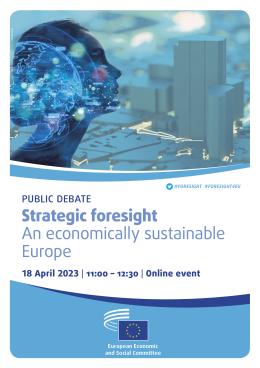
    With this debate, the ECO section is providing ex-ante input to the European Commission, in preparation for the upcoming 2023 strategic foresight cycle that wants to shed light on the strategic decisions needed to ensure a socially and economically sustainable Europe with a stronger role in the world in the coming decades.

  • Recovery, Open Strategic Autonomy and Resilience
    -
    Event type
    Conference

    On 27 and 28 February 2023, the European Economic and Social Committee (EESC) and the European Commission will host the 2023 European Circular Economy Stakeholder Conference in hybrid mode. The sixth Conference will bring together Europe's biggest circular economy stakeholders to focus on the role of the circular economy in driving sustainable recoveryopen strategic autonomy and resilience.

  • Event type
    Conference

    This interactive conference with experts in circular economy competences and youth, policy-makers, academics and business representatives will explore the outputs from the CESCY project.

  • -

    On 1 and 2 March 2022, this annual conference will bring together Europe's largest network of stakeholders in the Circular Economy. The focus this year is on the path to a new normal: "sustainable products for sustainable consumption."