
Eiropa

This page is also available in:

Eiropā EESK uztur attiecības ar sociālajiem partneriem un pilsoniskās sabiedrības organizācijām Rietumbalkānos, austrumu kaimiņreģionā, EEZ EBTA valstīs (Islandē, Lihtenšteinā un Norvēģijā), kā arī Apvienotajā Karalistē.

Rietumbalkānu koordinācijas komiteja – pastāvīga EESK iekšējā struktūrvienība – ir svarīgākais instruments EESK darbības koordinācijai šajā reģionā. Rietumbalkānu pilsoniskās sabiedrības forums, kas tiek rīkots reizi divos gados, veido daļu no koordinācijas komitejas darba.

EESK arī divpusēji sadarbojas ar Rietumbalkānu valstīm, ar kurām ir sāktas pievienošanās sarunas, un ar Turciju, izmantojot specializētas struktūras, kas izveidotas, pamatojoties uz asociācijas nolīgumiem starp minētajām valstīm un ES: šo apvienoto konsultatīvo komiteju mērķis ir iesaistīt sociālos partnerus un pilsoniskās sabiedrības organizācijas pirmspievienošanās un reformu procesu uzraudzībā saistībā ar iespējamu pievienošanos Eiropas Savienībai. Katrā struktūrvienībā ir vienāds skaits locekļu no EESK un partnervalsts, un tās sanāksmes notiek parasti vienreiz vai divreiz gadā.

EESK ir arī izveidojusi Austrumu kaimiņattiecību koordinācijas komiteju, kas ir iekšēja struktūra, kuras uzdevums ir uzlabot attiecības ar pilsonisko sabiedrību reģiona valstīs, t. i., Armēnijā, Azerbaidžānā, Baltkrievijā, Gruzijā, Moldovā un Ukrainā.

Galvenie mehānismi sadarbībai ar Armēniju, Gruziju, Moldovu un Ukrainu ir pilsoniskās sabiedrības platformas, kas ļauj gan ES, gan partnervalsts pilsoniskās sabiedrības organizācijām uzraudzīt to, kā tiek īstenoti ES nolīgumi ar šīm valstīm, un izstrādāt ieteikumus attiecīgajām iestādēm. Turklāt 2022. gadā Ukraina un Moldova ir kļuvušas par kandidātvalstīm.

Attiecībā uz Baltkrieviju un Krieviju tiek veidotas attiecības ar tām pilsoniskās sabiedrības organizācijām, kas joprojām darbojas brīvi un no kurām vairums atrodas ES teritorijā. EESK uzskata, ka ir svarīgi turpināt dialogu un vienlaikus cerēt uz labākiem apstākļiem nākotnē.

Eiropas Ekonomikas zona (EEZ) apvieno ES dalībvalstis un trīs EEZ Eiropas Brīvās tirdzniecības asociācijas (EBTA) valstis (Islandi, Lihtenšteinu un Norvēģiju) iekšējā tirgū, kurā preces, pakalpojumi, kapitāls un personas var brīvi pārvietoties. EESK ir iesaistīta Eiropas Ekonomikas zonas konsultatīvajā komitejā, kurā ar EEZ EBTA valstu sociālo partneru pārstāvjiem tiek apspriesti kopīgu interešu jautājumi.

Visbeidzot, EESK ir izveidojusi ES un Apvienotās Karalistes koordinācijas komiteju, kuras uzdevums ir uzraudzīt ES un Lielbritānijas un Ziemeļīrijas Apvienotās Karalistes attiecības no pilsoniskās sabiedrības skatpunkta. Koordinācijas komitejas darbā īpaša uzmanība tiek pievērsta tam, kā tiek īstenots ES un Apvienotās Karalistes noslēgtais izstāšanās līgums un Protokols par Īriju un Ziemeļīriju. Minētā līguma un protokola īstenošanu EESK apspriež regulārās sarunās ar Apvienotās Karalistes pilsoniskās sabiedrības organizācijām. Tāpat koordinācijas komiteja novēro, kā tiek īstenots ES un Apvienotās Karalistes Tirdzniecības un sadarbības nolīgums, uz kura pamata ES un Apvienotās Karalistes koordinācijas komiteja sadarbojas ar ES vietējo konsultantu grupu.

  • Event type
    Meeting

    Representatives of the European and Georgian Domestic Advisory Groups (DAGs), set up under the Trade and Sustainable Development Chapter of the Association Agreement between the European Union and Georgia, held their first joint meeting in Tbilisi on 26 January 2016. The participants expressed their commitment to fulfil the mandate foreseen in the Trade and Sustainable Development Chapter of the Association Agreement, namely to monitor the implementation of the Chapter and to provide advice to the Parties to the Agreement.

  • -
    Event type
    JCC Meeting
  • Event type
    JCC Meeting

    For the 8th time, the European Economic and Social Committee (EESC) and Montenegro held the Civil Society Joint Consultative Committee (JCC) in Budva, Montenegro.

    This meeting tackled following issues: Assessment of the state of play in Montenegro accession negotiations to the EU, Chapter 28 of the accession negotiations – with focus on Consumer protection and Debate on the situation of young people on the labour market.

  • Event type
    Meeting

    Article 376 of the EU-Moldova Association Agreement foresees that each Party would establish a domestic advisory group (DAG) on sustainable development, which would advise on issues relating to the Chapter of trade and sustainable development. A joint meeting is held annually. The first meeting was held in July 2015.

  • Event type
    JCC Meeting
  • Inaugural meeting
    Event type
    Meeting
  • -
    Event type
    JCC Meeting

    The 24th meeting of of the European Economic Area Consultative Committee took place in Vaduz (Liechtenstein) on 19-20 May 2016.


    The members of the Committee discussed the latest developments in EEA and well as EU/EFTA issues. The Consultative Committee adopted two resolutions on the following topics:

    • Labour Mobility in the EEA
    • Better regulation to support businesses and protect workers in the EEA
  • Event type
    Meeting

    The first and inaugural meeting of the EU-Moldova Civil Society Platform (CSP) was held on 10 May 2016 at the EESC. The CSP complements the political bodies existing within the framework of the EU-Moldova Association Agreement, and it allows civil society organisations from both sides to monitor the implementation process and prepare recommendations to the relevant authorities both in the Republic of Moldova as well as in the European Union.

    The CSP is made up of nine members from both Parties, representing the EESC and large European civil society networks, on the one side, and civil society organisations from  Moldova, on the other side.

  • Published in
    Study
    36 pages

    This study examines how social partners and civil society organisations in six Member States — Italy, Austria, Hungary, Poland, Portugal and Sweden — view the effectiveness of current policies in raising employment levels and increasing adult participation in training. It also puts forward recommendations for improving policy outcomes.

  • Published in
    28 pages

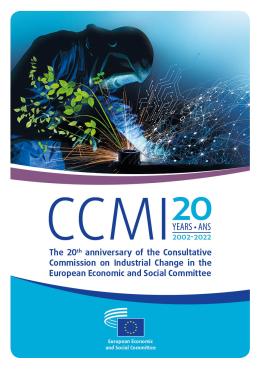
    On 8 June 2022 the Consultative Commission on Industrial Change (CCMI) celebrated its 20th anniversary with a conference focused on the challenges of today and the prospects for tomorrow. This publication is a record of the occasion and a commemoration of what CCMI has achieved since joining the EESC.