
European Economic
and Social Committee
Ετήσια έρευνα για τη βιώσιμη ανάπτυξη 2023: Τα οφέλη του ευρωπαϊκού εγχειρήματος πρέπει να προβάλλονται μέσω αποτελεσματικής επικοινωνίας
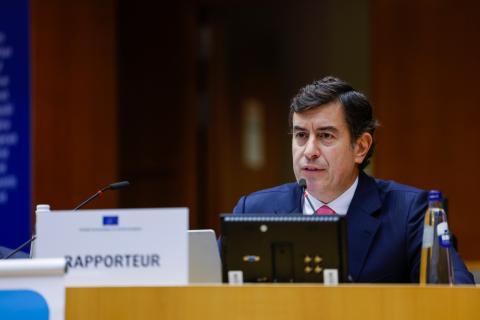
Σε γνωμοδότησή της που εγκρίθηκε στις 23 Φεβρουαρίου, η ΕΟΚΕ διατύπωσε παρατηρήσεις σχετικά με την ανακοίνωση της Ευρωπαϊκής Επιτροπής με τίτλο «Ετήσια έρευνα για τη βιώσιμη ανάπτυξη 2023 και κάλεσε την Επιτροπή να επενδύσει σε δράσεις επικοινωνίας σχετικά με τις προκλήσεις που έχει ενώπιόν της η ΕΕ και τις απαιτούμενες ενέργειες για την αντιμετώπισή τους.
Η ετήσια έρευνα για τη βιώσιμη ανάπτυξη 2023, στην οποία καθορίζονται οι προτεραιότητες της ΕΕ για την οικονομική πολιτική και την πολιτική απασχόλησης κατά τους επόμενους 12 έως 18 μήνες, αποσκοπεί στον μετριασμό των αρνητικών επιπτώσεων των ενεργειακών κλυδωνισμών βραχυπρόθεσμα, στην προώθηση της βιώσιμης και χωρίς αποκλεισμούς ανάπτυξης και στην ενίσχυση της οικονομικής και κοινωνικής ανθεκτικότητας της ΕΕ μεσοπρόθεσμα.
Στη γνωμοδότησή της, η ΕΟΚΕ επιδοκίμασε τις προτεραιότητες που έχουν καθοριστεί σχετικά με την ανταγωνιστική βιωσιμότητα, καθώς και την προσοχή που έχει δοθεί στην ενίσχυση του κοινωνικού διαλόγου στην ΕΕ. Επιπλέον, η ΕΟΚΕ τόνισε τη σημασία της αποτελεσματικής επικοινωνίας και κάλεσε την Επιτροπή να επενδύσει σε αυτήν. Για τη βελτίωση της λειτουργίας της ενιαίας αγοράς, η ΕΟΚΕ ζήτησε δίκαιες συνθήκες εργασίας, αποτελεσματικό ανταγωνισμό και καλύτερη συνεκτίμηση των ανησυχιών της κοινωνίας των πολιτών. Η ΕΟΚΕ ενθάρρυνε επίσης τα κράτη μέλη να υιοθετήσουν μια ρεαλιστική, μετριοπαθή και ισορροπημένη προσέγγιση κατά την αντιμετώπιση του πληθωρισμού.
«Μια ισχυρή, αξιόπιστη και κοινή παρουσίαση των προκλήσεων και του τρόπου με τον οποίο η Ένωση έχει κινητοποιηθεί για την αντιμετώπισή τους είναι θεμελιώδους σημασίας για τους πολίτες και θα αποτρέψει τυχόν παρανοήσεις σχετικά με το ευρωπαϊκό εγχείρημα, ενώ παράλληλα θα ενισχύσει την ιδέα μιας “Ευρώπης για όλους”», δήλωσε ο εισηγητής της ΕΟΚΕ Gonçalo Lobo Xavier. (tk)