European Economic
and Social Committee
European Economic
and Social Committee
The European Economic and Social Committee (EESC) is the voice of organised civil society in Europe.
Find out more about its role and structure at http://www.eesc.europa.eu/en/about
The EESC issues between 160 and 190 opinions, evaluation and information reports a year.
It also organises several annual initiatives and events with a focus on civil society and citizens’ participation such as the Civil Society Prize, the Civil Society Days, the Your Europe, Your Say youth plenary and the ECI Day.
Find the latest EESC opinions and publications at http://www.eesc.europa.eu/en/our-work/opinions-information-reports/opinions and http://www.eesc.europa.eu/en/our-work/publications-other-work/publications respectively.
The EESC is active in a wide range of areas, from social affairs to economy, energy and sustainability.
Learn more about our policy areas and policy highlights at http://www.eesc.europa.eu/en/policies
The EESC holds nine plenary sessions per year. It also organises many conferences, public hearings and high-level debates related to its work.
Find out more about our upcoming events at http://www.eesc.europa.eu/en/agenda/our-events/upcoming-events
Here you can find news and information about the EESC'swork, including its social media accounts, the EESC Info newsletter, photo galleries and videos.
Read the latest EESC news http://www.eesc.europa.eu/en/news-media/news and press releases http://www.eesc.europa.eu/en/news-media/press-releases
The EESC brings together representatives from all areas of organised civil society, who give their independent advice on EU policies and legislation. The EESC's326 Members are organised into three groups: Employers, Workers and Various Interests.
Find out more about our Members and groups at http://www.eesc.europa.eu/en/members-groups
The EESC has six sections, specialising in concrete topics of relevance to the citizens of the European Union, ranging from social to economic affairs, energy, environment, external relations or the internal market.
Find out more at http://www.eesc.europa.eu/en/sections-other-bodies
EESK savā atzinumā, kas tika pieņemts 23. februārī, izteica piezīmes par Eiropas Komisijas paziņojumu par 2023. gada ilgtspējīgas izaugsmes pētījumu (GIP), mudinot Komisiju ieguldīt komunikācijā par problēmām, ar kurām saskaras ES, un par to, kas jādara, lai tās pārvarētu.
2023. gada ilgtspējīgas izaugsmes pētījums, kurā izklāstītas ES ekonomikas un nodarbinātības politikas prioritātes nākamajiem 12 līdz 18 mēnešiem, ir vērsts uz to, lai īstermiņā mazinātu enerģētikas satricinājumu negatīvo ietekmi, veicinot ilgtspējīgu un iekļaujošu izaugsmi un palielinot ES ekonomisko un sociālo noturību vidējā termiņā.
Savā atzinumā Komiteja atzinīgi novērtēja prioritātes, kas noteiktas attiecībā uz konkurētspējīgu ilgtspēju, kā arī uzmanību, kas pievērsta sociālā dialoga stiprināšanai Eiropas Savienībā. Turklāt EESK uzsvēra labas komunikācijas nozīmi un aicināja Komisiju ieguldīt tajā. Lai uzlabotu vienotā tirgus darbību, EESK aicināja nodrošināt taisnīgus darba apstākļus, efektīvu konkurenci un vairāk ņemt vērā pilsoniskās sabiedrības bažas. Komiteja arī mudināja dalībvalstis inflācijas problēmu risināšanā pieņemt reālistisku, mērenu un līdzsvarotu pieeju.
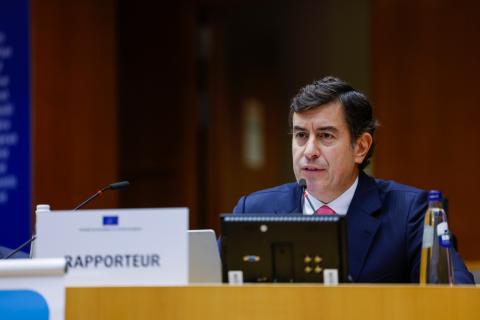
“Spēcīga, uzticama, kopīga apspriešanās par mūsu problēmām un to, kā ES ir mobilizējusies, lai tās pārvarētu, ir ļoti svarīga iedzīvotājiem, un tā novērsīs pārpratumus par Eiropas projektu un veicinās ideju “Eiropa visiem”, norādīja EESK ziņotājs Gonçalo Lobo Xavier. (tk)