
Aprites ekonomika

This page is also available in:

Pāreja uz aprites ekonomiku ir svarīgs EESK darba kārtības jautājums, jo tā dod iespēju cīnīties pret klimata krīzi un aizsargāt mūsu planētu. Tā ir lieliska iespēja pilsoniskajai sabiedrībai, jo tā var palīdzēt

  • stiprināt Eiropas rūpniecības konkurētspēju;
  • sekmēt ilgtspējīgu ekonomikas izaugsmi;
  • radīt jaunas darbvietas.

Lineārais ražošanas un patēriņa modelis, kura pamatā ir izejvielu izmantošana, to pārstrāde un atkritumu radīšana un kas joprojām dominē mūsu ekonomikā, ne tikai veicina resursu izšķērdēšanu, bet arī kavē cīņu pret klimata pārmaiņām. Atšķirībā no lineārās ekonomikas aprites ekonomika ir reģeneratīvs un atjaunojošs modelis, kas koncentrējas uz ekonomiskās vērtības radīšanu un saglabāšanu, risina globālas ekoloģiskās problēmas, piemēram, klimata pārmaiņas, bioloģiskās daudzveidības zudumu, kā arī piesārņojumu un vienlaikus sniedz ekonomiskos ieguvumus.

Labā ziņa ir tāda, ka pāreja uz aprites modeli jau notiek. Ieinteresētās personas, kas pārstāv pilsonisko sabiedrību — tostarp uzņēmumus, arodbiedrības, akadēmiskās aprindas un zināšanu kopienas, jauniešu organizācijas —, kā arī NVO un citas interešu grupas izstrādā un īsteno daudzas aprites ekonomikas iniciatīvas vietējā un reģionālajā līmenī. Sekmējot aprites ekonomikas risinājumus un attiecīgo ieinteresēto personu līderību, Eiropa vislabāk var paātrināt pāreju uz aprites ekonomiku.

Tādējādi Eiropas aprites ekonomikas jautājumos ieinteresēto personu platforma — EESK un Eiropas Komisijas kopīga iniciatīva — ir 2017. gadā izveidota platforma, kuras mērķis ir pulcēt aprites ekonomikas kopienu Eiropā. Uz ieinteresētajām personām orientētā platforma, veicinot dialogu, daloties zināšanās un apmainoties ar paraugpraksi, atbalsta Eiropas pāreju uz aprites ekonomiku.

  • Pieņemtie on 05/07/2017 - Bureau decision date: 24/01/2017
    Atsauce
    NAT/706-EESC-2017-00719-00-00-AC-TRA
    Civil Society Organisations - GR III
    Ireland
    (Italy

    The objective of the Communication on the role of waste-to-energy in the circular economy is to ensure that the recovery of energy from waste in the EU is consistent with the objectives pursued in the Circular Economy Action Plan.

    Download — EESK atzinums: Waste-to-energy under the Circular Economy
  • Pieņemtie on 05/07/2017 - Bureau decision date: 13/12/2016
    Atsauce
    NAT/702-EESC-2017-00281-00-01-AC-TRA
    Civil Society Organisations - GR III
    Ireland
    Download — EESK atzinums: Eco-design work programme 2016-2019
  • Pieņemtie on 14/12/2016 - Bureau decision date: 21/01/2016
    Atsauce
    INT/784-EESC-2016-00975-00-00-AC-TRA
    Civil Society Organisations - GR III
    France

    In this opinion, the EESC calls for society to begin an economic transition from over-exploitation of resources and a throw-away culture to a more sustainable, job-rich era, based on quality rather than quantity. In order to cope with the fundamental shift to a new economic model with major systemic consequences in many areas, it is recommended that a new cross-cutting and permanent body be set up in the EESC to analyse these developments.

    Download — EESK atzinums: The functional economy (own-initiative opinion)
  • Pieņemtie on 13/07/2016 - Bureau decision date: 26/04/2016
    Atsauce
    NAT/691-EESC-2016-03054-00-01-AC-TRA
    Civil Society Organisations - GR III
    Ireland
    Download — EESK atzinums: The making available on the market of CE-marked fertilising products
  • Pieņemtie on 27/04/2016 - Bureau decision date: 07/10/2015
    Atsauce
    NAT/676-EESC-2016-00042-00-01-AC-TRA
    Civil Society Organisations - GR III
    Ireland

    The EESC fully backs the objective of switching to a greener, resource-efficient and circular economy. It is happy to see that the Commission has come forward with a broader set of proposals covering all the stages of the product lifecycle compared to the previous circular economy package; however, it raises concern over the lower level of ambition, which is likely to lead to lower economic and environmental benefits.

    Download — EESK atzinums: Circular Economy Package
  • Pieņemtie on 11/12/2014
    Atsauce
    NAT/652-EESC-2014-05003-00-00-ac-tra
    Employers - GR I
    Italy
    Plenary session number
    503
    -

    The European Economic and Social Committee (EESC) believes that the prospect of a European circular economy should bring a major boost to the systemic competitiveness of the EU, a driver for growth and a generator of new green jobs and skills.

    Download — EESC opinion: The circular economy: job creation and the Green Action Plan for SMEs
  • Pieņemtie on 11/12/2014
    Atsauce
    NAT/651-EESC-2014-05002-00-00-ac-tra
    Workers - GR II
    France
    Plenary session number
    503
    -

    The Committee welcomes the two communications and the package of amendments to the waste directives and supports the campaign to make all businesses and consumers aware of the need to phase out the current linear economic model of "take, make, consume and dispose" .

    Download — EESC opinion: Circular economy
  • Pieņemtie on 17/10/2013
    Atsauce
    CCMI/112-EESC-2013-1904
    Civil Society Organisations - GR III
    France
    Employers - GR I
    France

    Planned obsolescence is associated with a form of industrial production that relies on a minimum renewal rate for its products. Although product renewal is necessary, certain abuses need to be addressed. The EESC would like to see a total ban on products with built-in defects designed to end the product's life.

    • Infopack CCMI/112
    Download — Towards more sustainable consumption: industrial product lifetimes and restoring trust through consumer information
  • Reference number
    30/2026

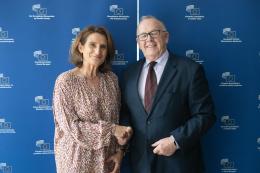
    During a plenary debate at the European Economic and Social Committee (EESC), the European Commission Executive Vice-President Teresa Ribera stressed the strategic importance of the Circular Economy Act for Europe’s future. This point was underlined by the EESC members who called for circularity to be put at the heart of Europe’s competitiveness and resilience agenda. It should be seen not only as an environmental objective but also an economic and geopolitical strategy. 

  • An interview with Maria Nikolopoulou, member of the European Economic and Social Committee (EESC) from the Workers' Group, representing the Spanish trade union Comisiones Obreras. She is currently one of the Vice Presidents of the NAT Bureau and member of the Steering Group of the European Circular Economy Stakeholder Platform.