Aprites ekonomika

This page is also available in:

Pāreja uz aprites ekonomiku ir svarīgs EESK darba kārtības jautājums, jo tā dod iespēju cīnīties pret klimata krīzi un aizsargāt mūsu planētu. Tā ir lieliska iespēja pilsoniskajai sabiedrībai, jo tā var palīdzēt

  • stiprināt Eiropas rūpniecības konkurētspēju;
  • sekmēt ilgtspējīgu ekonomikas izaugsmi;
  • radīt jaunas darbvietas.

Lineārais ražošanas un patēriņa modelis, kura pamatā ir izejvielu izmantošana, to pārstrāde un atkritumu radīšana un kas joprojām dominē mūsu ekonomikā, ne tikai veicina resursu izšķērdēšanu, bet arī kavē cīņu pret klimata pārmaiņām. Atšķirībā no lineārās ekonomikas aprites ekonomika ir reģeneratīvs un atjaunojošs modelis, kas koncentrējas uz ekonomiskās vērtības radīšanu un saglabāšanu, risina globālas ekoloģiskās problēmas, piemēram, klimata pārmaiņas, bioloģiskās daudzveidības zudumu, kā arī piesārņojumu un vienlaikus sniedz ekonomiskos ieguvumus.

Labā ziņa ir tāda, ka pāreja uz aprites modeli jau notiek. Ieinteresētās personas, kas pārstāv pilsonisko sabiedrību — tostarp uzņēmumus, arodbiedrības, akadēmiskās aprindas un zināšanu kopienas, jauniešu organizācijas —, kā arī NVO un citas interešu grupas izstrādā un īsteno daudzas aprites ekonomikas iniciatīvas vietējā un reģionālajā līmenī. Sekmējot aprites ekonomikas risinājumus un attiecīgo ieinteresēto personu līderību, Eiropa vislabāk var paātrināt pāreju uz aprites ekonomiku.

Tādējādi Eiropas aprites ekonomikas jautājumos ieinteresēto personu platforma — EESK un Eiropas Komisijas kopīga iniciatīva — ir 2017. gadā izveidota platforma, kuras mērķis ir pulcēt aprites ekonomikas kopienu Eiropā. Uz ieinteresētajām personām orientētā platforma, veicinot dialogu, daloties zināšanās un apmainoties ar paraugpraksi, atbalsta Eiropas pāreju uz aprites ekonomiku.

  • Recovery, Open Strategic Autonomy and Resilience
    -
    Event type
    Conference

    On 27 and 28 February 2023, the European Economic and Social Committee (EESC) and the European Commission will host the 2023 European Circular Economy Stakeholder Conference in hybrid mode. The sixth Conference will bring together Europe's biggest circular economy stakeholders to focus on the role of the circular economy in driving sustainable recoveryopen strategic autonomy and resilience.

  • Event type
    Conference

    This interactive conference with experts in circular economy competences and youth, policy-makers, academics and business representatives will explore the outputs from the CESCY project.

  • -

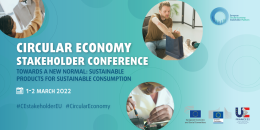
    On 1 and 2 March 2022, this annual conference will bring together Europe's largest network of stakeholders in the Circular Economy. The focus this year is on the path to a new normal: "sustainable products for sustainable consumption."

  • Digitalisation and Sustainability: practical recommendations from European civil society | 25/11/2020
    NAT/SDO online conference organized jointly with the German Council Presidency
    Event type
    Conference

    The conference will explore the role of European Civil Society in using digitalization in a way that it enables and drives sustainability to support the European Green Deal and the EU sustainable recovery. 

  • -
    Event type
    Conference

    The annual Circular Economy Stakeholder Conference, jointly organised by the European Commission and the European Economic and Social Committee, is an opportunity for stakeholders to meet, nurture their networks, share ideas and learn about the new EU policy developments on circular economy. The 2020 edition will be digital with a focus on renewal as we emerge from the COVID pandemic. 

    Webstream
     

  • Joint side event by the EESC and the Government of Slovenia at the High Level Political Forum (HLPF)
    Event type
    Webinar

    The world is facing a climate emergency causing unprecedented economic, social and environmental challenges. Ambitious policy and action are necessary at all levels to accelerate a just transition to a sustainable future, while leaving no one behind. This is particularly relevant in the context of the COVID-19 pandemic, which has exposed the fragility of the current system.  ► Watch again 

  • Published in
    Study
    104 pages

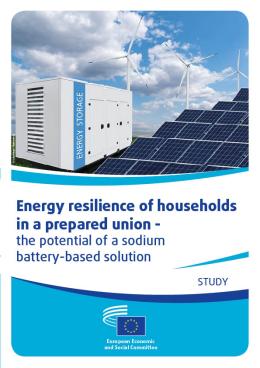
    This study examines the potential of sodium ion battery technology to strengthen energy resilience in European households and businesses, particularly in meeting a 72 hour electricity self sufficiency objective under the EU’s preparedness strategy.

  • Published in
    20 pages

    Call for an EU Blue Deal - Event highlights - 26 October 2023

  • Published in
    Study
    61 pages

    The study reviews recent analyses to understand the green or circular skills of the future which have been identified thus far in sectoral and EU-wide research. Moreover, it examines EU Initiatives on skills development for circularity, by highlighting some limitations of these instruments and making suggestions for improvement.

  • Published in
    24 pages

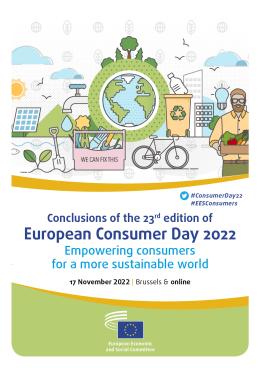
    Conclusions of the 23rd edition of European Consumer Day 2022 - 17 November 2022