
European Economic
and Social Committee
Στόχοι της ΕΕ για το κλίμα: μόνο μια ολιστική προσέγγιση μπορεί να μετατρέψει τις προκλήσεις σε ευκαιρίες
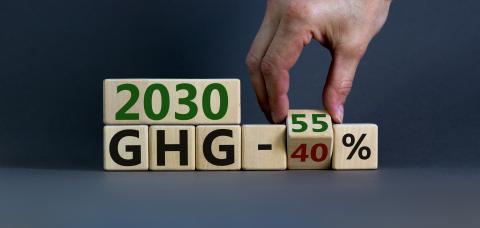
Η ΕΟΚΕ επαναλαμβάνει ότι η μείωση των εκπομπών αερίων του θερμοκηπίου κατά τουλάχιστον 55 % έως το 2030 είναι η σωστή επιλογή. Εντούτοις, στη γνωμοδότησή της με θέμα «Ενίσχυση της κλιματικής φιλοδοξίας της Ευρώπης», η ΕΟΚΕ τονίζει την ανάγκη εντατικοποίησης των προσπαθειών για την επίτευξη των ενδιάμεσων στόχων για την επίσπευση της διαδικασίας, ειδάλλως υπάρχει κίνδυνος μη επίτευξης του στόχου περί κλιματικής ουδετερότητας έως το 2050.
Είναι αλήθεια πως η κρίση COVID-19 έχει επιφέρει τεράστια οικονομικά προβλήματα. Ωστόσο, ο αναπροσανατολισμός των επενδύσεων προς το σχέδιο ανάκαμψης άνοιξε τον δρόμο για μια νέα στρατηγική: «επενδύσεις για την ανάκαμψη σε συνδυασμό με φιλόδοξη δράση για το κλίμα», τόνισε ο συνεισηγητής της ΕΟΚΕ Jan Dirx.
«Στη γνωμοδότηση επισημαίνεται επίσης η ανάγκη ενίσχυσης της βιοοικονομίας και αντικατάστασης των ορυκτών καυσίμων. Συνεπώς, είναι καίριας σημασίας να δοθεί προτεραιότητα στην επικαιροποίηση της ευρωπαϊκής νομοθεσίας σχετικά με τη μετάβαση στα ανανεώσιμα καύσιμα», τόνισε ο εισηγητής της ΕΟΚΕ Arnold Puech d'Alissac.
Είναι περισσότερο αναγκαίο παρά ποτέ να αξιοποιηθεί κάθε πιθανό μέσο για την κλιμάκωση της φιλοδοξίας για το κλίμα, όπως η Ευρωπαϊκή Πράσινη Συμφωνία, ο νόμος για το κλίμα, το ΠΔΠ, το ταμείο ανάκαμψης Next Generation EU, η ΚΓΠ, η στρατηγική «Από το αγρόκτημα στο πιάτο» και η στρατηγική για τη βιοποικιλότητα, οι εμπορικές πολιτικές και συμφωνίες κ.λπ. Όλα τα παραπάνω μέσα θα πρέπει να συνδεθούν κατά συνεκτικό τρόπο, διασφαλίζοντας ότι η μετάβαση δεν θα αφήσει κανέναν στο περιθώριο.
Οι πολίτες είναι «εταίροι καίριας σημασίας στον αγώνα κατά της κλιματικής αλλαγής» και η συμμετοχή τους αποτελεί προϋπόθεση για την επιτυχία της κλιματικής πολιτικής εντός της ΕΕ.
Για τον λόγο αυτό, η ΕΟΚΕ επανέλαβε την πρότασή της σχετικά με τη δημιουργία ευρωπαϊκής πλατφόρμας ενδιαφερομένων μερών του συμφώνου για το κλίμα, με βάση τις αρχές της ένταξης, της διαφάνειας και της ουσιαστικής συμμετοχής και ανάληψης ευθύνης από τοπικούς φορείς για το κλίμα σε όλα τα επίπεδα. (mr)