АКТБ и Африка

This page is also available in:

От първата Конвенция от Ломе (1975 г.) до Споразумението от Котону (2000-2021 г.) партньорствата ЕС-АКТБ са уреждали отношенията между Европейския съюз и 79 държави от Групата на държавите от Африка, Карибите и Тихоокеанския басейн (АКТБ), превърнала се наскоро в Организация на държавите от Африка, Карибите и Тихоокеанския басейн.

През този период ЕИСК в сътрудничество с гражданското общество в държавите от АКТБ се бори за признаване на съществената роля на недържавните субекти в процеса на развитие. Това признание намира израз в Споразумението от Котону, което възлага на ЕИСК да организира срещи и консултации с групите, изразяващи икономически и социални интереси на АКТБ и ЕС, за да събере гледните точки на организираното гражданско общество и да даде възможност да се чуе гласът му. Целта е насърчаване на обмена и предоставяне на препоръки по въпроси и политики от значение за отношенията между АКТБ и ЕС, които след това да бъдат отправени официално към ръководителите на държавите от ЕС и АКТБ.

На практика дейностите на ЕИСК, свързани с отношенията между ЕС и АКТБ, се провеждат основно под ръководството на приобщаващ Комитет за наблюдение „ЕС-АКТБ“, съставен от членове на ЕИСК и делегати, представляващи икономическите и социалните интереси на страните от АКТБ.

Комитетът за наблюдение „ЕС-АКТБ“ поддържа редовни контакти с представителите на гражданското общество в страните от АКТБ на различни равнища чрез:

  • редовни заседания на Комитета за наблюдение „ЕС-АКТБ“, 
  • регионални семинари в държавите от АКТБ, които осигуряват форум за обсъждане на теми от общ интерес с представители на гражданското общество в последователно редуващи се региони,
  • общи заседания на групите, изразяващи икономически и социални интереси на АКТБ и ЕС, провеждани на всеки три години в Брюксел.

ЕИСК поддържа редовни контакти и с представителите на икономическите и социалните среди на Африканския съюз в рамките на Съвместната стратегия Африка-ЕС. По-специално ЕИСК провежда годишни срещи с мрежата „ЕС — Африка“ на заинтересованите страни от икономическата и социалната сфера. 

В продължение на много години ЕИСК поддържа редовни контакти със Съвместната парламентарна асамблея АКТБ – ЕС, като представя доклад за своята дейност на сесиите на Асамблеята.

ЕИСК също така поддържа тясна връзка с международните организации на работодателите, работниците, земеделските стопани и потребителите. Тези организации определят представителите на АКТБ, поканени да участват в заседанията, провеждани от ЕИСК, включително Комитета за наблюдение „ЕС-АКТБ“.

  • Event type
    Meeting

    The second meeting of the EU Domestic Advisory Group (DAG) under the EU–Kenya Economic Partnership Agreement (EPA), held on 13 April 2026 at the European Economic and Social Committee, brought together representatives from EU institutions, civil society, and international organisations to assess progress and discuss key priorities for implementation.

  • The Domestic Advisory Group (DAG) established under the EU–Kenya Economic Partnership Agreement (EPA) held its inaugural meeting on 27 October at the EESC. This is the first time that an EU EPA with an African country has included the creation of a DAG to monitor and advise on the implementation of the agreement. 

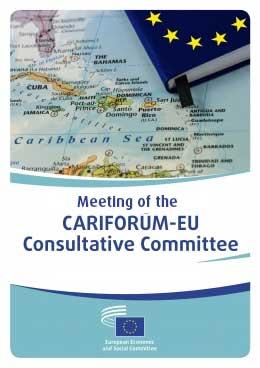
  • The 9th meeting of the CARIFORUM–EU Consultative Committee brought together civil society representatives from the Caribbean and the European Union to discuss key developments in CARIFORUM–EU relations. The agenda included updates on the implementation of the CARIFORUM–EU Economic Partnership Agreement (EPA), the provisional application of the OACPS–EU Samoa Agreement in relation to CARIFORUM, and discussions on the revision of the EPA review process.


  • The EESC: 

    • welcomes the African Union’s (AU) commitment to democratic values and to promoting democracy as highlighted in the aspirations set out in the AU 2063 Agenda;
    • believes that the Global Gateway strategy is of great importance for EU-Africa relations, and reaffirms that it will strengthen economic and political ties, ensuring respect for democratic and social principles;
    • commits to pursue and improve its activities to promote and support African civil society organisations and social partners by facilitating their establishment, organisation and action and by helping boost their institutional capacity, as a contribution to achieving the EU’s goal of making democracy resilient in Africa.
  • At its December plenary session, the European Economic and Social Committee (EEESC) hosted a debate on democracy in Africa with representatives from the African Union Economic and Cultural Council (AU ECOSOCC). Both sides agreed that civil society is the driving force for a successful EU-Africa partnership based on equality, fostering civil and social dialogue.

  • Published in
    Study
    57 pages

    The study looks at the involvement of Civil Society Organisations (CSOs) in the Economic Partnership Agreement (EPA) between the European Union (EU) and the Southern African Development Community (SADC) EPA States

  • Published in
    15 pages

    This document seeks to provide input to the Global Coalition for Social Justice. It highlights key messages from EESC opinions on the six priority areas identified by the International Labour Organization (ILO) for immediate action.

  • On 9 November 2023, the ACP-EU Follow-up Committee held a meeting for a timely update on ACP-EU relations and with a view to discuss the participation of civil society in the post-Cotonou Agreement, the so-called Samoa Agreement that has been signed on 15 November.

  • Event type
    Joint meeting

    The CARIFORUM-EU Consultative Committee (CC) was established with the task and responsibility of fostering meaningful dialogue and collaboration among delegates from civil society organizations, including the academic community, and social and economic stakeholders.

  • The AU-EU partnership for a sustainable future
    -
    Event type
    Conference

    The European Economic and Social Committee (EESC) organises regular consultations of the European Union‑Africa Economic and Social Stakeholders' Network, which gathers representatives of organised civil society (employers and chambers of commerce, employees and trade unions, cooperatives, farmers' organisations, consumers' organisations, NGOs, etc.) from both continents.

    The 8th meeting of the EU-Africa Economic and Social Stakeholders' Network will take place in Brussels, Belgium, on 28-29 June 2023, at EESC premises, with the participation of African Union Economic, Social and Cultural Council (AU ECOSOCC).