ĀKK valstis un Āfrika

This page is also available in:

Kopš pirmās Lomes konvencijas (1975. gads) līdz Kotonū nolīgumam (2000.–2021. gads) ES un ĀKK valstu partnerību reglamentēja attiecības starp Eiropas Savienību un Āfrikas, Karību jūras reģiona un Klusā okeāna (ĀKK) grupas 79 valstīm, kuras nesen apvienojās Āfrikas, Karību jūras reģiona un Klusā okeāna valstu organizācijā (OACPS).

Šajā laikposmā EESK kopā ar ĀKK valstu pilsonisko sabiedrību cīnījās par to, lai tiktu atzīta nevalstisko dalībnieku būtiskā loma attīstības procesā, līdz tas tika panākts Kotonū nolīgumā, ar ko EESK tika pilnvarota organizēt pasākumus un konsultācijas ar “ĀKK valstu un ES ekonomisko un sociālo interešu grupām”, lai apkopotu un paustu organizētās pilsoniskās sabiedrības viedokli. Mērķis bija veicināt apmaiņu un sniegt ieteikumus par jautājumiem un politiku saistībā ar ĀKK valstu un ES attiecībām; vēlāk šie ieteikumi tika oficiāli iesniegti ES un ĀKK valstu vadītājiem.

Praktiskā ziņā EESK pasākumi saistībā ar ES un OACPS attiecībām galvenokārt tiek veikti iekļaujošas ĀKK valstu un ES koordinācijas komitejas vadībā; minētās komitejas sastāvā ir EESK locekļi un ĀKK valstu ekonomisko un sociālo interešu grupu delegāti.

ES un ĀKK koordinācijas komiteja uztur regulārus kontaktus ar ĀKK valstu pilsoniskās sabiedrības pārstāvjiem dažādos līmeņos, izmantojot šādus līdzekļus:

  • ĀKK un ES koordinācijas komitejas regulāras sanāksmes,
  • reģionāli semināri ĀKK valstīs, nodrošinot forumu, kurā ar attiecīgā reģiona pilsoniskās sabiedrības pārstāvjiem apspriež kopīgu interešu jautājumus,
  • ĀKK un ES ekonomikas un sociālo interešu grupu trīsgadu kopsapulces Briselē.

EESK arī uztur regulārus kontaktus ar Āfrikas Savienības ekonomisko un sociālo interešu grupu pārstāvjiem ES un Āfrikas kopējās stratēģijas ietvaros. Konkrētāk, EESK katru gadu rīko sanāksmes kopīgi ar ES un Āfrikas ekonomikas un sociālās jomas ieinteresēto personu tīklu. 

EESK jau daudzus gadus ir uzturējusi regulāras attiecības ar ĀKK un ES Apvienoto parlamentāro asambleju, iesniedzot Asamblejas plenārsesijās ziņojumu par savu darbību.

Tāpat EESK cieši sadarbojas ar starptautiskajām darba devēju, darba ņēmēju, lauksaimnieku, kooperatīvu un patērētāju organizācijām. Minētās organizācijas izvirza ĀKK valstu pārstāvjus, kuri tiek aicināti uz EESK rīkotajām sanāksmēm, tostarp ES un ĀKK koordinācijas komitejas sanāksmēm.

  • Event type
    Meeting

    The second meeting of the EU Domestic Advisory Group (DAG) under the EU–Kenya Economic Partnership Agreement (EPA), held on 13 April 2026 at the European Economic and Social Committee, brought together representatives from EU institutions, civil society, and international organisations to assess progress and discuss key priorities for implementation.

  • The Domestic Advisory Group (DAG) established under the EU–Kenya Economic Partnership Agreement (EPA) held its inaugural meeting on 27 October at the EESC. This is the first time that an EU EPA with an African country has included the creation of a DAG to monitor and advise on the implementation of the agreement. 

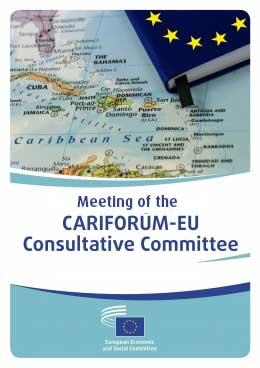
  • The 9th meeting of the CARIFORUM–EU Consultative Committee brought together civil society representatives from the Caribbean and the European Union to discuss key developments in CARIFORUM–EU relations. The agenda included updates on the implementation of the CARIFORUM–EU Economic Partnership Agreement (EPA), the provisional application of the OACPS–EU Samoa Agreement in relation to CARIFORUM, and discussions on the revision of the EPA review process.


  • The EESC: 

    • welcomes the African Union’s (AU) commitment to democratic values and to promoting democracy as highlighted in the aspirations set out in the AU 2063 Agenda;
    • believes that the Global Gateway strategy is of great importance for EU-Africa relations, and reaffirms that it will strengthen economic and political ties, ensuring respect for democratic and social principles;
    • commits to pursue and improve its activities to promote and support African civil society organisations and social partners by facilitating their establishment, organisation and action and by helping boost their institutional capacity, as a contribution to achieving the EU’s goal of making democracy resilient in Africa.
  • At its December plenary session, the European Economic and Social Committee (EEESC) hosted a debate on democracy in Africa with representatives from the African Union Economic and Cultural Council (AU ECOSOCC). Both sides agreed that civil society is the driving force for a successful EU-Africa partnership based on equality, fostering civil and social dialogue.

  • Published in
    Study
    57 pages

    The study looks at the involvement of Civil Society Organisations (CSOs) in the Economic Partnership Agreement (EPA) between the European Union (EU) and the Southern African Development Community (SADC) EPA States

  • Published in
    15 pages

    This document seeks to provide input to the Global Coalition for Social Justice. It highlights key messages from EESC opinions on the six priority areas identified by the International Labour Organization (ILO) for immediate action.

  • On 9 November 2023, the ACP-EU Follow-up Committee held a meeting for a timely update on ACP-EU relations and with a view to discuss the participation of civil society in the post-Cotonou Agreement, the so-called Samoa Agreement that has been signed on 15 November.

  • Event type
    Joint meeting

    The CARIFORUM-EU Consultative Committee (CC) was established with the task and responsibility of fostering meaningful dialogue and collaboration among delegates from civil society organizations, including the academic community, and social and economic stakeholders.

  • The AU-EU partnership for a sustainable future
    -
    Event type
    Conference

    The European Economic and Social Committee (EESC) organises regular consultations of the European Union‑Africa Economic and Social Stakeholders' Network, which gathers representatives of organised civil society (employers and chambers of commerce, employees and trade unions, cooperatives, farmers' organisations, consumers' organisations, NGOs, etc.) from both continents.

    The 8th meeting of the EU-Africa Economic and Social Stakeholders' Network will take place in Brussels, Belgium, on 28-29 June 2023, at EESC premises, with the participation of African Union Economic, Social and Cultural Council (AU ECOSOCC).