AKCS és Afrika

This page is also available in:

Az EU és 79 afrikai, karibi és csendes-óceáni állam (az AKCS-országok, melyek nemrég felvették az Afrikai, Karibi és Csendes-óceáni Államok Szervezete (AKCSÁSZ) nevet) közötti kapcsolatokat az első Loméi Egyezménytől (1975) a Cotonoui Megállapodásig (2000–2021) az EU–AKCS partnerségek határozták meg. 

Ebben az időszakban az EGSZB az AKCS-országok civil társadalmával együtt küzdött a nem állami szereplők fejlesztési folyamatban játszott nélkülözhetetlen szerepének elismeréséért egészen addig, amíg ez a Cotonoui Megállapodás révén meg nem valósult. Ez a megállapodás megbízta az EGSZB-t, hogy szervezzen tevékenységeket és konzultációkat az „AKCS–EU gazdasági és szociális érdekcsoportokkal” annak érdekében, hogy összegyűjtse a szervezett civil társadalom nézeteit, és hangot adjon véleményének. A cél a cserekapcsolatok ösztönzése és ajánlások megfogalmazása volt az AKCS–EU kapcsolatok szempontjából fontos kérdések és szakpolitikák terén. Ezeket az ajánlásokat később hivatalosan az EU és az AKCS-országok vezetőinek címezték.

A gyakorlatban az EGSZB-nek az EU–AKCSÁSZ kapcsolatokkal összefüggő tevékenységei elsősorban egy EGSZB-tagokból és az AKCS gazdasági és társadalmi érdekcsoportjainak képviselőiből álló, inkluzív EU–AKCS nyomonkövetési bizottság irányítása alatt folynak. 

Az EU–AKCS nyomonkövetési bizottság az AKCS-országok civil társadalmi képviselőivel a következőkön keresztül tart fenn különböző szintű rendszeres kapcsolatokat:

  • az EU–AKCS nyomonkövetési bizottság rendszeres ülései,
  • az AKCS-országokban, felváltva mindig más régióban tartott regionális szemináriumok, amelyek fórumot biztosítanak a kölcsönös érdeklődésre számot tartó kérdések civil társadalmi képviselőkkel történő megvitatására,
  • az AKCS–EU gazdasági és szociális érdekcsoportok háromévente megrendezett brüsszeli közgyűlése.

Az EGSZB továbbá rendszeres kapcsolatot tart fenn az Afrikai Unió reprezentatív gazdasági és társadalmi érdekcsoportjaival az Afrika–EU közös stratégia keretében, éves találkozókat tartva például az uniós és afrikai gazdasági és társadalmi szereplők hálózatával. 

Az EGSZB több éve rendszeres kapcsolatot tart fenn az AKCS–EU Közös Parlamenti Közgyűléssel, plenáris ülésein ismertetve a tevékenységéről készült jelentést.

Az EGSZB hasonlóan szoros kapcsolatokat ápol a nemzetközi munkáltatói, munkavállalói, gazdálkodói, szövetkezeti és fogyasztói szervezetekkel. Ezek a szervezetek jelölik az EGSZB által tartott ülésekre, köztük az EU–AKCS nyomonkövetési bizottság üléseire meghívott AKCS-képviselőket.

  • Event type
    Meeting

    The second meeting of the EU Domestic Advisory Group (DAG) under the EU–Kenya Economic Partnership Agreement (EPA), held on 13 April 2026 at the European Economic and Social Committee, brought together representatives from EU institutions, civil society, and international organisations to assess progress and discuss key priorities for implementation.

  • The Domestic Advisory Group (DAG) established under the EU–Kenya Economic Partnership Agreement (EPA) held its inaugural meeting on 27 October at the EESC. This is the first time that an EU EPA with an African country has included the creation of a DAG to monitor and advise on the implementation of the agreement. 

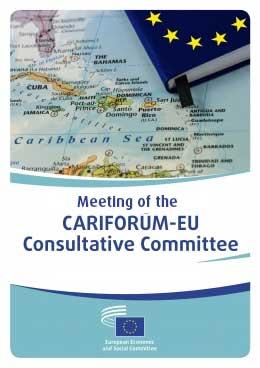
  • The 9th meeting of the CARIFORUM–EU Consultative Committee brought together civil society representatives from the Caribbean and the European Union to discuss key developments in CARIFORUM–EU relations. The agenda included updates on the implementation of the CARIFORUM–EU Economic Partnership Agreement (EPA), the provisional application of the OACPS–EU Samoa Agreement in relation to CARIFORUM, and discussions on the revision of the EPA review process.


  • The EESC: 

    • welcomes the African Union’s (AU) commitment to democratic values and to promoting democracy as highlighted in the aspirations set out in the AU 2063 Agenda;
    • believes that the Global Gateway strategy is of great importance for EU-Africa relations, and reaffirms that it will strengthen economic and political ties, ensuring respect for democratic and social principles;
    • commits to pursue and improve its activities to promote and support African civil society organisations and social partners by facilitating their establishment, organisation and action and by helping boost their institutional capacity, as a contribution to achieving the EU’s goal of making democracy resilient in Africa.
  • At its December plenary session, the European Economic and Social Committee (EEESC) hosted a debate on democracy in Africa with representatives from the African Union Economic and Cultural Council (AU ECOSOCC). Both sides agreed that civil society is the driving force for a successful EU-Africa partnership based on equality, fostering civil and social dialogue.

  • Published in
    Study
    57 pages

    The study looks at the involvement of Civil Society Organisations (CSOs) in the Economic Partnership Agreement (EPA) between the European Union (EU) and the Southern African Development Community (SADC) EPA States

  • Published in
    15 pages

    This document seeks to provide input to the Global Coalition for Social Justice. It highlights key messages from EESC opinions on the six priority areas identified by the International Labour Organization (ILO) for immediate action.

  • On 9 November 2023, the ACP-EU Follow-up Committee held a meeting for a timely update on ACP-EU relations and with a view to discuss the participation of civil society in the post-Cotonou Agreement, the so-called Samoa Agreement that has been signed on 15 November.

  • Event type
    Joint meeting

    The CARIFORUM-EU Consultative Committee (CC) was established with the task and responsibility of fostering meaningful dialogue and collaboration among delegates from civil society organizations, including the academic community, and social and economic stakeholders.

  • The AU-EU partnership for a sustainable future
    -
    Event type
    Conference

    The European Economic and Social Committee (EESC) organises regular consultations of the European Union‑Africa Economic and Social Stakeholders' Network, which gathers representatives of organised civil society (employers and chambers of commerce, employees and trade unions, cooperatives, farmers' organisations, consumers' organisations, NGOs, etc.) from both continents.

    The 8th meeting of the EU-Africa Economic and Social Stakeholders' Network will take place in Brussels, Belgium, on 28-29 June 2023, at EESC premises, with the participation of African Union Economic, Social and Cultural Council (AU ECOSOCC).