ACP și Africa

This page is also available in:

De la prima Convenție de la Lomé (1975) la Acordul de la Cotonou (2000-2021), parteneriatele UE-ACP au reglementat relațiile dintre UE și 79 de țări din grupul statelor din Africa, zona Caraibelor și Pacific (ACP), care a devenit recent Organizația statelor din Africa, zona Caraibilor și Pacific (OACPS).

În această perioadă, CESE, împreună cu societatea civilă din ACP, a luptat pentru recunoașterea rolului esențial jucat de actorii nestatali în procesul de dezvoltare, până la realizarea acestuia prin Acordul de la Cotonou, care a mandatat CESE să organizeze activități și consultări cu „grupurile de interese economice și sociale ACP-UE”, pentru a colecta punctele de vedere ale societății civile organizate și a-i permite acesteia să se exprime. Scopul a fost acela de a încuraja schimburile și de a oferi recomandări cu privire la chestiuni și politici relevante pentru relațiile ACP-UE, adresate ulterior în mod oficial liderilor UE și ACP.

În practică, activitățile CESE privind relațiile UE-OACPS se desfășoară în principal sub îndrumarea unui comitet de monitorizare ACP-UE favorabil incluziunii, alcătuit din membri CESE și din delegați reprezentând grupurile de interese economice și sociale din țările ACP.

Comitetul de monitorizare ACP-UE menține contacte periodice cu reprezentanții societății civile din țările ACP la diferite niveluri, prin:

  • ședințe periodice ale comitetului de monitorizare ACP-UE;
  •  seminare regionale în țările ACP, care oferă un forum pentru subiecte de discuție de interes comun cu reprezentanții societății civile, în regiuni diferite;
  • reuniuni generale trienale ale grupurilor de interese economice și sociale ACP-UE, la Bruxelles.

De asemenea, CESE menține contacte periodice cu reprezentanții grupurilor de interese economice și sociale din Uniunea Africană, în contextul strategiei comune UE-Africa. În special, CESE organizează reuniuni anuale cu rețeaua UE-Africa a partenerilor economici și sociali.

Pe parcursul multor ani, CESE a avut contacte periodice cu Adunarea Parlamentară Paritară ACP-UE, prezentând rapoarte cu privire la activitățile sale în cadrul sesiunilor Adunării Plenare.

De asemenea, CESE are contacte strânse cu organizații internaționale ale angajatorilor, lucrătorilor, agricultorilor, cooperativelor și consumatorilor. Aceste organizații numesc reprezentanții ACP invitați la reuniunile organizate de CESE, inclusiv în Comitetul de monitorizare ACP-UE.

  • Event type
    Meeting

    The second meeting of the EU Domestic Advisory Group (DAG) under the EU–Kenya Economic Partnership Agreement (EPA), held on 13 April 2026 at the European Economic and Social Committee, brought together representatives from EU institutions, civil society, and international organisations to assess progress and discuss key priorities for implementation.

  • The Domestic Advisory Group (DAG) established under the EU–Kenya Economic Partnership Agreement (EPA) held its inaugural meeting on 27 October at the EESC. This is the first time that an EU EPA with an African country has included the creation of a DAG to monitor and advise on the implementation of the agreement. 

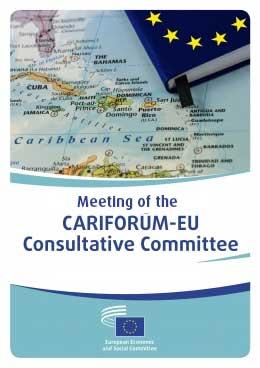
  • The 9th meeting of the CARIFORUM–EU Consultative Committee brought together civil society representatives from the Caribbean and the European Union to discuss key developments in CARIFORUM–EU relations. The agenda included updates on the implementation of the CARIFORUM–EU Economic Partnership Agreement (EPA), the provisional application of the OACPS–EU Samoa Agreement in relation to CARIFORUM, and discussions on the revision of the EPA review process.


  • The EESC: 

    • welcomes the African Union’s (AU) commitment to democratic values and to promoting democracy as highlighted in the aspirations set out in the AU 2063 Agenda;
    • believes that the Global Gateway strategy is of great importance for EU-Africa relations, and reaffirms that it will strengthen economic and political ties, ensuring respect for democratic and social principles;
    • commits to pursue and improve its activities to promote and support African civil society organisations and social partners by facilitating their establishment, organisation and action and by helping boost their institutional capacity, as a contribution to achieving the EU’s goal of making democracy resilient in Africa.
  • At its December plenary session, the European Economic and Social Committee (EEESC) hosted a debate on democracy in Africa with representatives from the African Union Economic and Cultural Council (AU ECOSOCC). Both sides agreed that civil society is the driving force for a successful EU-Africa partnership based on equality, fostering civil and social dialogue.

  • Published in
    Study
    57 pages

    The study looks at the involvement of Civil Society Organisations (CSOs) in the Economic Partnership Agreement (EPA) between the European Union (EU) and the Southern African Development Community (SADC) EPA States

  • Published in
    15 pages

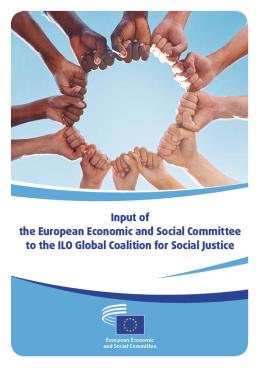
    This document seeks to provide input to the Global Coalition for Social Justice. It highlights key messages from EESC opinions on the six priority areas identified by the International Labour Organization (ILO) for immediate action.

  • On 9 November 2023, the ACP-EU Follow-up Committee held a meeting for a timely update on ACP-EU relations and with a view to discuss the participation of civil society in the post-Cotonou Agreement, the so-called Samoa Agreement that has been signed on 15 November.

  • Event type
    Joint meeting

    The CARIFORUM-EU Consultative Committee (CC) was established with the task and responsibility of fostering meaningful dialogue and collaboration among delegates from civil society organizations, including the academic community, and social and economic stakeholders.

  • The AU-EU partnership for a sustainable future
    -
    Event type
    Conference

    The European Economic and Social Committee (EESC) organises regular consultations of the European Union‑Africa Economic and Social Stakeholders' Network, which gathers representatives of organised civil society (employers and chambers of commerce, employees and trade unions, cooperatives, farmers' organisations, consumers' organisations, NGOs, etc.) from both continents.

    The 8th meeting of the EU-Africa Economic and Social Stakeholders' Network will take place in Brussels, Belgium, on 28-29 June 2023, at EESC premises, with the participation of African Union Economic, Social and Cultural Council (AU ECOSOCC).