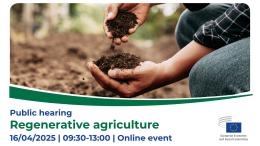
On 16 April 2025, the EESC will hold an online event on the role that regenerative agriculture can play in revitalising rural areas, improving soil health, and enhancing carbon sequestration to ensure long-term productivity and food security.
The European Economic and Social Committee (EESC) welcomes the European Commission’s proposal to strengthen the bargaining position of farmers in food chains. However, it calls for more ambition in the Common Agricultural Policy.
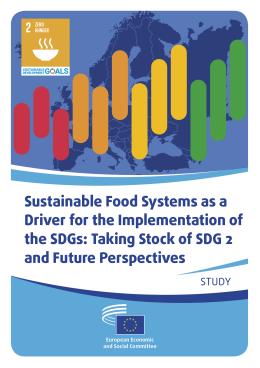
A new report on Europe’s progress toward the Sustainable Development Goals (SDGs) highlights a significant slowdown, raising concerns about the EU’s ability to meet the 2030 targets. The Europe Sustainable Development Report 2025 (ESDR), published by the UN Sustainable Development Solutions Network (SDSN), finds that the pace of SDG progress between 2020 and 2023 was more than twice as slow as in the previous period.
Download — stanovisko EHSV: Regenerative agriculture as a target towards enhancing sustainable food production, supporting climate and biodiversity objectives
The Commission is proposing amendments to three EU regulations to ensure that EU funds can be quickly mobilised in support of post-disaster recovery.
The amendments concern theRegulations governing the European Regional Development Fund (ERDF) and the Cohesion Fund (CF), and the European Social FundPlus (ESF+), for the 2021-2027 programming period.
These proposals come as a direct response to the floods affecting Central and Eastern European countries and wildfires in Portugal in September 2024 and include injecting liquidity with increased pre- and co-financing under Cohesion Policy.