European Economic
and Social Committee
European Economic
and Social Committee
The European Economic and Social Committee (EESC) is the voice of organised civil society in Europe.
Find out more about its role and structure at http://www.eesc.europa.eu/en/about
The EESC issues between 160 and 190 opinions, evaluation and information reports a year.
It also organises several annual initiatives and events with a focus on civil society and citizens’ participation such as the Civil Society Prize, the Civil Society Days, the Your Europe, Your Say youth plenary and the ECI Day.
Find the latest EESC opinions and publications at http://www.eesc.europa.eu/en/our-work/opinions-information-reports/opinions and http://www.eesc.europa.eu/en/our-work/publications-other-work/publications respectively.
The EESC is active in a wide range of areas, from social affairs to economy, energy and sustainability.
Learn more about our policy areas and policy highlights at http://www.eesc.europa.eu/en/policies
The EESC holds nine plenary sessions per year. It also organises many conferences, public hearings and high-level debates related to its work.
Find out more about our upcoming events at http://www.eesc.europa.eu/en/agenda/our-events/upcoming-events
Here you can find news and information about the EESC'swork, including its social media accounts, the EESC Info newsletter, photo galleries and videos.
Read the latest EESC news http://www.eesc.europa.eu/en/news-media/news and press releases http://www.eesc.europa.eu/en/news-media/press-releases
The EESC brings together representatives from all areas of organised civil society, who give their independent advice on EU policies and legislation. The EESC's326 Members are organised into three groups: Employers, Workers and Various Interests.
Find out more about our Members and groups at http://www.eesc.europa.eu/en/members-groups
The EESC has six sections, specialising in concrete topics of relevance to the citizens of the European Union, ranging from social to economic affairs, energy, environment, external relations or the internal market.
Find out more at http://www.eesc.europa.eu/en/sections-other-bodies
skupina Pracovníci v EHSV
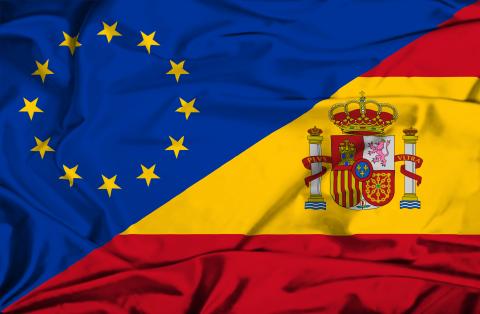
Španielsko zamýšľa povýšiť sociálny rozmer EÚ na ústredný prvok svojho šesťmesačného predsedníctva. Európsky hospodársky a sociálny výbor dostal preto rekordný počet žiadostí o konzultáciu v súvislosti s niektorými najzávažnejšími sociálnymi otázkami súčasnosti.
Španielsko bude Rade EÚ predsedať od júla. Zároveň sa funkčné obdobie Komisie pod vedením Ursuly von der Leyen pomaly chýli ku koncu a na obzore sú už aj voľby do Európskeho parlamentu v roku 2024. Španielsko jasne zdôraznilo sociálne aspekty, na ktoré by sa EÚ mala zamerať, a svoju vôľu odblokovať a presadiť niektoré z najkontroverznejších spisov týkajúcich sa sociálnych otázok. Nielenže tým otvorilo záverečnú fázu tohto volebného obdobia, ale vydláždilo cestu aj pre budúce priority toho nasledujúceho.
Nie je zrejme prekvapujúce, že Španielsko požiadalo EHSV o mimoriadne množstvo prieskumných stanovísk – prinajmenšom 20. Tieto stanoviská pokrývajú širokú škálu tém, od protokolu o sociálnom pokroku, ktorý EHSV presadzoval na Konferencii o budúcnosti Európy (a ktorý bol napokon zahrnutý do odporúčaní), až po otázky týkajúce sa demokracie na pracovisku, zeleného kolektívneho vyjednávania, duševného zdravia a neistej práce, ale aj návrh postupu pri sociálnej nerovnováhe. EHSV už dokončuje prácu na niektorých z nich, a preto bude už od začiatku pripravený prispieť svojím dielom k politickému procesu. (ppr)