European Economic
and Social Committee
European Economic
and Social Committee
The European Economic and Social Committee (EESC) is the voice of organised civil society in Europe.
Find out more about its role and structure at http://www.eesc.europa.eu/en/about
The EESC issues between 160 and 190 opinions, evaluation and information reports a year.
It also organises several annual initiatives and events with a focus on civil society and citizens’ participation such as the Civil Society Prize, the Civil Society Days, the Your Europe, Your Say youth plenary and the ECI Day.
Find the latest EESC opinions and publications at http://www.eesc.europa.eu/en/our-work/opinions-information-reports/opinions and http://www.eesc.europa.eu/en/our-work/publications-other-work/publications respectively.
The EESC is active in a wide range of areas, from social affairs to economy, energy and sustainability.
Learn more about our policy areas and policy highlights at http://www.eesc.europa.eu/en/policies
The EESC holds nine plenary sessions per year. It also organises many conferences, public hearings and high-level debates related to its work.
Find out more about our upcoming events at http://www.eesc.europa.eu/en/agenda/our-events/upcoming-events
Here you can find news and information about the EESC'swork, including its social media accounts, the EESC Info newsletter, photo galleries and videos.
Read the latest EESC news http://www.eesc.europa.eu/en/news-media/news and press releases http://www.eesc.europa.eu/en/news-media/press-releases
The EESC brings together representatives from all areas of organised civil society, who give their independent advice on EU policies and legislation. The EESC's326 Members are organised into three groups: Employers, Workers and Various Interests.
Find out more about our Members and groups at http://www.eesc.europa.eu/en/members-groups
The EESC has six sections, specialising in concrete topics of relevance to the citizens of the European Union, ranging from social to economic affairs, energy, environment, external relations or the internal market.
Find out more at http://www.eesc.europa.eu/en/sections-other-bodies
Az EGSZB Munkavállalók csoportjának cikke
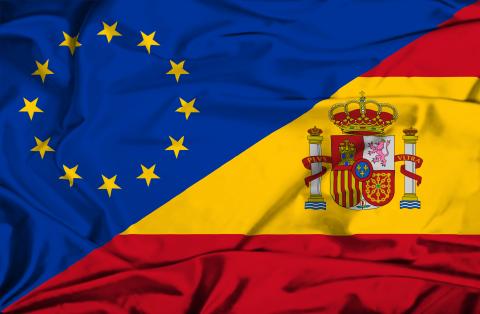
Spanyolország úgy tervezi, hogy az EU szociális dimenzióját állítja hat hónapos tanácsi elnökségének középpontjába, ennek következtében pedig rekordszámú felkérést intézett az Európai Gazdasági és Szociális Bizottsághoz a legfontosabb aktuális szociálpolitikai témákban.
Spanyolország veszi át az EU tanácsának elnökségét idén júliusban, egy olyan időszakban, amikor Ursula von der Leyen hivatali idejének végső szakaszához, valamint a 2024-es európai választásokhoz is közeledünk. Spanyolország nemcsak a mostani ciklus végét határozza meg, hanem a következő ciklus jövőbeli prioritásai előtt is egyengeti az utat, egyértelműen hangsúlyozva, hogy elvárásai szerint mely szociális szempontokkal kell foglalkoznia Európának. Továbbá annak a szándékának is hangot adott, hogy a szociális kérdésekkel kapcsolatos legvitatottabb ügyiratok közül elővesz és felkarol néhányat.
Így talán nem meglepő, hogy Spanyolország rendkívüli számú – nem kevesebb mint 20 – feltáró vélemény kidolgozását kérte az Európai Gazdasági és Szociális Bizottságtól, olyan különböző témákban, mint a társadalmi haladásról szóló jegyzőkönyv (amely mellett az EGSZB síkra szállt az Európa jövőjéről szóló konferencián, és amelyet végül felvettek az ajánlások közé), a munkahelyi demokrácia, a zöld kollektív tárgyalások, a mentális egészség és a bizonytalan foglalkoztatás, valamint a társadalmi egyensúlyhiány kezelését célzó eljárásról szóló javaslat. Az EGSZB némely témában már a munka véglegesítésénél tart, így készen áll arra, hogy a kezdetektől fogva hozzájáruljon a politikai folyamathoz. (ppr)