European Economic
and Social Committee
European Economic
and Social Committee
The European Economic and Social Committee (EESC) is the voice of organised civil society in Europe.
Find out more about its role and structure at http://www.eesc.europa.eu/en/about
The EESC issues between 160 and 190 opinions, evaluation and information reports a year.
It also organises several annual initiatives and events with a focus on civil society and citizens’ participation such as the Civil Society Prize, the Civil Society Days, the Your Europe, Your Say youth plenary and the ECI Day.
Find the latest EESC opinions and publications at http://www.eesc.europa.eu/en/our-work/opinions-information-reports/opinions and http://www.eesc.europa.eu/en/our-work/publications-other-work/publications respectively.
The EESC is active in a wide range of areas, from social affairs to economy, energy and sustainability.
Learn more about our policy areas and policy highlights at http://www.eesc.europa.eu/en/policies
The EESC holds nine plenary sessions per year. It also organises many conferences, public hearings and high-level debates related to its work.
Find out more about our upcoming events at http://www.eesc.europa.eu/en/agenda/our-events/upcoming-events
Here you can find news and information about the EESC'swork, including its social media accounts, the EESC Info newsletter, photo galleries and videos.
Read the latest EESC news http://www.eesc.europa.eu/en/news-media/news and press releases http://www.eesc.europa.eu/en/news-media/press-releases
The EESC brings together representatives from all areas of organised civil society, who give their independent advice on EU policies and legislation. The EESC's326 Members are organised into three groups: Employers, Workers and Various Interests.
Find out more about our Members and groups at http://www.eesc.europa.eu/en/members-groups
The EESC has six sections, specialising in concrete topics of relevance to the citizens of the European Union, ranging from social to economic affairs, energy, environment, external relations or the internal market.
Find out more at http://www.eesc.europa.eu/en/sections-other-bodies
Από την Ομάδα των Εργαζομένων της ΕΟΚΕ
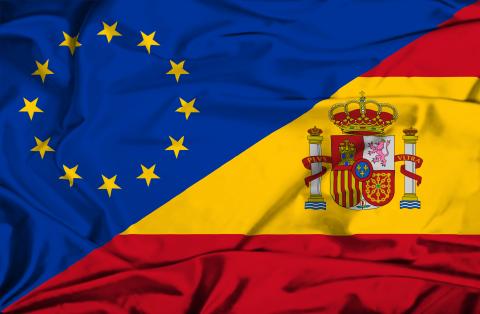
Η Ισπανία σχεδιάζει να θέσει την κοινωνική διάσταση της ΕΕ στο επίκεντρο της εξάμηνης Προεδρίας της, πράγμα το οποίο για την Ευρωπαϊκή Οικονομική και Κοινωνική Επιτροπή σημαίνει πρωτοφανή αριθμό ρεκόρ διαβουλεύσεων σχετικά με ορισμένα από τα σημαντικότερα φλέγοντα κοινωνικά ζητήματα.
Η Ισπανία θα αναλάβει την Προεδρία του Συμβουλίου της ΕΕ τον Ιούλιο του 2023, καθώς κατευθυνόμαστε προς την τελική ευθεία της θητείας της κ. Von der Leyen, με τις ευρωπαϊκές εκλογές του 2024 να διαφαίνονται στον ορίζοντα. Ανοίγοντας το δρόμο όχι μόνο για το τέλος αυτής της θητείας, αλλά και για τις μελλοντικές προτεραιότητες της επόμενης, η Ισπανία έχει υποδείξει σαφώς τις κοινωνικές πτυχές που αναμένει από την Ευρώπη να αντιμετωπίσει, καθώς και τη βούλησή της να επαναφέρει στο προσκήνιο και να προωθήσει ορισμένα από τα πλέον αμφιλεγόμενα κοινωνικά ζητήματα.
Ίσως λοιπόν δεν αποτελεί έκπληξη το γεγονός ότι η Ισπανία ζήτησε από την ΕΟΚΕ να καταρτίσει πρωτοφανή αριθμό διερευνητικών γνωμοδοτήσεων: τουλάχιστον 20. Οι γνωμοδοτήσεις αυτές εκτείνονται από το πρωτόκολλο κοινωνικής προόδου, το οποίο η ΕΟΚΕ προώθησε στη Διάσκεψη για το Μέλλον της Ευρώπης (και το οποίο τελικά ενσωματώθηκε στις συστάσεις), έως τα ζητήματα της δημοκρατίας στην εργασία, των πράσινων συλλογικών διαπραγματεύσεων, της ψυχικής υγείας και της επισφάλειας, αλλά και την πρόταση για μια διαδικασία κοινωνικών ανισορροπιών. Η ΕΟΚΕ έχει ήδη ολοκληρώσει τις εργασίες της σχετικά με ορισμένες εξ αυτών και θα είναι επομένως έτοιμη να συνεισφέρει εξ αρχής στη διαδικασία χάραξης πολιτικής. (ppr)