
European Economic
and Social Committee
Evaluating EU cohesion funds: lessons from 2014-2020
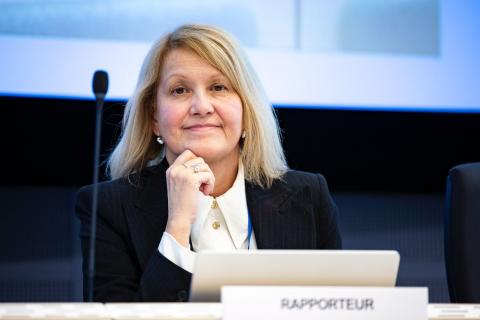
The European Economic and Social Committee (EESC) has adopted in plenary its evaluation of the European Regional Development Fund (ERDF) and the Cohesion Fund for the 2014-2020 period. The opinion aims to assess the effectiveness, relevance and inclusiveness of these key EU funding instruments, providing insights that will shape future cohesion policies.
The evaluation underscores the significant role of the ERDF and the Cohesion Fund in enhancing infrastructure, supporting SMEs and fostering social inclusion across the EU. Investments were particularly impactful in areas such as energy efficiency, education, scientific infrastructure and digitalisation. However, challenges such as administrative complexity, bureaucratic delays and difficulties in ensuring long-term economic sustainability are also highlighted.
While the funds contributed to boosting competitiveness and economic development, the EESC found that rural and less-developed regions often faced hurdles in accessing resources due to capacity inequalities. Additionally, the COVID-19 pandemic and geopolitical crises, such as Russia’s aggression in Ukraine, led to shifts in funding priorities, sometimes delaying planned infrastructure projects.
Civil society involvement
The EESC emphasises the importance of involving civil society throughout the funding process. Despite efforts to ensure participation, NGOs and the social partners faced difficulties in accessing information and resources. The evaluation calls for more inclusive consultation mechanisms and capacity-building initiatives to empower local actors.
Recommendations for future programming
To enhance the impact of the ERDF and the Cohesion Fund, the EESC recommends:
- reducing bureaucracy and streamlining administrative procedures to improve access, particularly for SMEs and marginalised groups;
- strengthening social cohesion policies by integrating best practices from the European Social Fund (ESF);
- enhancing transparency and communication strategies to increase public awareness of EU-funded projects;
- promoting a balanced territorial development approach to bridge urban-rural disparities;
- increasing investment in digitalisation and the green transition to align with the EU’s sustainability goals.
Looking ahead
As the EU prepares for the next multi-annual financial framework, the EESC’s findings serve as a crucial roadmap for policymakers. Ensuring that EU funds reach those who need them most while maximising their socio-economic impact remains a priority. By addressing the identified challenges and implementing the recommended improvements, future cohesion policies can promote a more inclusive and resilient European economy.
Work organisation
Recommended for you
Η εργαλειοποίηση των μεταναστών και η προσφυγική κρίση της Ουκρανίας επιβάλλουν ένα νέο ξεκίνημα για τη μεταναστευτική πολιτική
News
Η κρατική εργαλειοποίηση των μεταναστών, που αποσκοπεί στην αποσταθεροποίηση της ΕΕ, και ο τρέχων πόλεμος στην Ουκρανία, που οδηγεί σε πρωτόγνωρη εισροή προσφύγων, επιβάλλουν την επανεξέταση της…
YEYS! 2023: Οι νέοι ζητούν μια πιο διαφανή, ψηφιακή και απλοποιημένη ΕΕ
News
Στις 23 και 24 Μαρτίου, η Ευρωπαϊκή Οικονομική και Κοινωνική Επιτροπή (ΕΟΚΕ) φιλοξένησε την 14η διοργάνωση της εκδήλωσης «Η δική σου Ευρώπη, η δική σου φωνή!» (YEYS!), η οποία προσέλκυσε στις…
Η ΕΕ χρειάζεται αποτελεσματικότερη πολυμέρεια για την αντιμετώπιση των κινδύνων που σχετίζονται με την ασφάλεια στη θάλασσα, επισημαίνει η ΕΟΚΕ
News
Η Ευρωπαϊκή Οικονομική και Κοινωνική Επιτροπή (ΕΟΚΕ) ζητεί περισσότερες κοινές δράσεις σχετικά με τη στρατηγική της ΕΕ για την ασφάλεια στη θάλασσα και το σχετικό σχέδιο δράσης, που αποσκοπούν στη…
Η ΕΟΚΕ δρομολογεί τη διαδικασία υποβολής υποψηφιοτήτων για το Βραβείο της Κοινωνίας των Πολιτών, το οποίο θα αφορά την ψυχική υγεία
News
Οι οργανώσεις της κοινωνίας των πολιτών, οι ιδιώτες και οι ιδιωτικές εταιρείες μπορούν τώρα να υποβάλουν τα μη κερδοσκοπικά έργα τους για το βραβείο της ΕΟΚΕ που είναι αφιερωμένο στη στήριξη της…
#ReskillEU — Το εργατικό δυναμικό της Ευρώπης στους τομείς της ενέργειας και των μεταφορών χρειάζεται νέες δεξιότητες για να κάνει πραγματικότητα την απανθρακοποίηση
News
Για να επιτύχει η απανθρακοποίηση των τομέων της ενέργειας και των μεταφορών της ΕΕ, οι εν λόγω τομείς χρειάζονται εργαζομένους εξοπλισμένους με «νέες» δεξιότητες, προειδοποιεί η Ευρωπαϊκή Οικονομική…