
European Economic
and Social Committee
Evaluating EU cohesion funds: lessons from 2014-2020
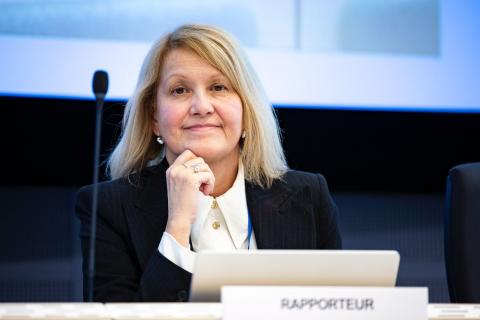
The European Economic and Social Committee (EESC) has adopted in plenary its evaluation of the European Regional Development Fund (ERDF) and the Cohesion Fund for the 2014-2020 period. The opinion aims to assess the effectiveness, relevance and inclusiveness of these key EU funding instruments, providing insights that will shape future cohesion policies.
The evaluation underscores the significant role of the ERDF and the Cohesion Fund in enhancing infrastructure, supporting SMEs and fostering social inclusion across the EU. Investments were particularly impactful in areas such as energy efficiency, education, scientific infrastructure and digitalisation. However, challenges such as administrative complexity, bureaucratic delays and difficulties in ensuring long-term economic sustainability are also highlighted.
While the funds contributed to boosting competitiveness and economic development, the EESC found that rural and less-developed regions often faced hurdles in accessing resources due to capacity inequalities. Additionally, the COVID-19 pandemic and geopolitical crises, such as Russia’s aggression in Ukraine, led to shifts in funding priorities, sometimes delaying planned infrastructure projects.
Civil society involvement
The EESC emphasises the importance of involving civil society throughout the funding process. Despite efforts to ensure participation, NGOs and the social partners faced difficulties in accessing information and resources. The evaluation calls for more inclusive consultation mechanisms and capacity-building initiatives to empower local actors.
Recommendations for future programming
To enhance the impact of the ERDF and the Cohesion Fund, the EESC recommends:
- reducing bureaucracy and streamlining administrative procedures to improve access, particularly for SMEs and marginalised groups;
- strengthening social cohesion policies by integrating best practices from the European Social Fund (ESF);
- enhancing transparency and communication strategies to increase public awareness of EU-funded projects;
- promoting a balanced territorial development approach to bridge urban-rural disparities;
- increasing investment in digitalisation and the green transition to align with the EU’s sustainability goals.
Looking ahead
As the EU prepares for the next multi-annual financial framework, the EESC’s findings serve as a crucial roadmap for policymakers. Ensuring that EU funds reach those who need them most while maximising their socio-economic impact remains a priority. By addressing the identified challenges and implementing the recommended improvements, future cohesion policies can promote a more inclusive and resilient European economy.
Work organisation
Recommended for you
La UE necesita más inversión pública en infraestructuras energéticas para luchar contra el cambio climático
News
En un Dictamen aprobado en el pleno de septiembre, el Comité Económico y Social Europeo (CESE) afirma que se necesita una inversión pública masiva para lograr la transición energética y cumplir los…
Energía: el CESE advierte contra la creación de nuevas dependencias
News
El Comité Económico y Social Europeo (CESE) se pronuncia con firmeza sobre la energía en un Dictamen aprobado en su pleno de septiembre: la propuesta de la Comisión es un paso en la dirección…
La transición digital debe ser justa: los derechos humanos y el control humano deben seguir teniendo una importancia fundamental
News
El Comité Económico y Social Europeo (CESE) señala las oportunidades que presenta la revolución digital, pero también advierte de sus peligros: si se implantan con demasiada rapidez, las soluciones…
La UE necesita ya un plan de acción para ofrecer una vivienda asequible y digna
News
En la conferencia de alto nivel que el Comité Económico y Social Europeo (CESE) celebró en Riga los participantes dieron la voz de alarma por la crisis de la vivienda asequible y advirtieron que ya…
La Presidencia checa de la UE replanteará, reconstruirá y reactivará Europa
News
En el pleno de julio del Comité Económico y Social Europeo (CESE) se celebró un debate con el ministro checo de Asuntos Exteriores, Jan Lipavský, para debatir las prioridades de la Presidencia checa…