
European Economic
and Social Committee
Evaluating EU cohesion funds: lessons from 2014-2020
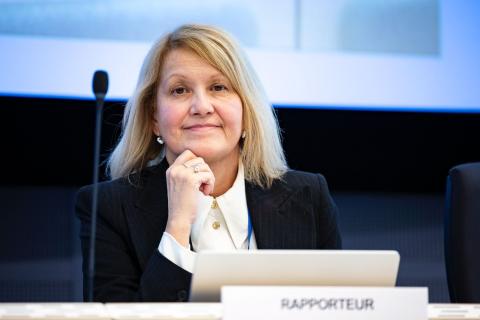
The European Economic and Social Committee (EESC) has adopted in plenary its evaluation of the European Regional Development Fund (ERDF) and the Cohesion Fund for the 2014-2020 period. The opinion aims to assess the effectiveness, relevance and inclusiveness of these key EU funding instruments, providing insights that will shape future cohesion policies.
The evaluation underscores the significant role of the ERDF and the Cohesion Fund in enhancing infrastructure, supporting SMEs and fostering social inclusion across the EU. Investments were particularly impactful in areas such as energy efficiency, education, scientific infrastructure and digitalisation. However, challenges such as administrative complexity, bureaucratic delays and difficulties in ensuring long-term economic sustainability are also highlighted.
While the funds contributed to boosting competitiveness and economic development, the EESC found that rural and less-developed regions often faced hurdles in accessing resources due to capacity inequalities. Additionally, the COVID-19 pandemic and geopolitical crises, such as Russia’s aggression in Ukraine, led to shifts in funding priorities, sometimes delaying planned infrastructure projects.
Civil society involvement
The EESC emphasises the importance of involving civil society throughout the funding process. Despite efforts to ensure participation, NGOs and the social partners faced difficulties in accessing information and resources. The evaluation calls for more inclusive consultation mechanisms and capacity-building initiatives to empower local actors.
Recommendations for future programming
To enhance the impact of the ERDF and the Cohesion Fund, the EESC recommends:
- reducing bureaucracy and streamlining administrative procedures to improve access, particularly for SMEs and marginalised groups;
- strengthening social cohesion policies by integrating best practices from the European Social Fund (ESF);
- enhancing transparency and communication strategies to increase public awareness of EU-funded projects;
- promoting a balanced territorial development approach to bridge urban-rural disparities;
- increasing investment in digitalisation and the green transition to align with the EU’s sustainability goals.
Looking ahead
As the EU prepares for the next multi-annual financial framework, the EESC’s findings serve as a crucial roadmap for policymakers. Ensuring that EU funds reach those who need them most while maximising their socio-economic impact remains a priority. By addressing the identified challenges and implementing the recommended improvements, future cohesion policies can promote a more inclusive and resilient European economy.
Work organisation
Recommended for you
EESRK: ES turi atkreipti dėmesį į socialinį tvarumą
News
Europos ekonomikos ir socialinių reikalų komitetas (EESRK) paragino Europos Komisiją paskelbti ilgai lauktą ataskaitą, kurioje būtų įvertinta galimybė išplėsti ES tvarumo taksonomijos reglamento…
Migrantų instrumentalizavimas ir Ukrainos pabėgėlių krizė verčia persvarstyti migracijos politiką
News
Dėl valstybės remiamo migrantų instrumentalizavimo, kuriuo siekiama destabilizuoti ES, ir dabartinio karo Ukrainoje, sukėlusio precedento neturintį pabėgėlių antplūdį, reikia peržiūrėti Europos…
2023 m. „Tavo Europa, tavo balsas!“ (YEYS!). Jaunimas norėtų skaidresnės, labiau skaitmenizuotos ir paprastesnės ES
News
Kovo 23–24 d. Europos ekonomikos ir socialinių reikalų komitetas (EESRK) 14-ąjį kartą pakvietė į renginį „Tavo Europa, tavo balsas!“. YEYS! renginyje Briuselyje dalyvavo 105 mokiniai, atstovaujantys…
Judumas turėtų būti pripažintas asmens teise
News
Europos ekonomikos ir socialinių reikalų komitetas (EESRK) pabrėžia, kad viešasis transportas yra būtinas norint užtikrinti galimybę naudotis pagrindinėmis paslaugomis ir jų tęstinumą. COVID-19…
EESRK jau priima paraiškas dėl pilietinės visuomenės apdovanojimo už psichikos sveikatos problemų sprendimą
News
Pilietinės visuomenės organizacijos, pavieniai asmenys ir privačios įmonės jau gali registruoti savo ne pelno projektus EESRK apdovanojimui už europiečių psichinės gerovės rėmimą gauti. Europos…