
European Economic
and Social Committee
Evaluating EU cohesion funds: lessons from 2014-2020
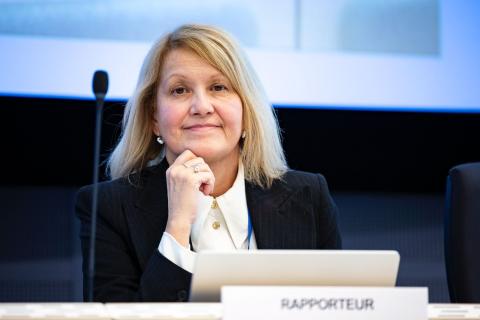
The European Economic and Social Committee (EESC) has adopted in plenary its evaluation of the European Regional Development Fund (ERDF) and the Cohesion Fund for the 2014-2020 period. The opinion aims to assess the effectiveness, relevance and inclusiveness of these key EU funding instruments, providing insights that will shape future cohesion policies.
The evaluation underscores the significant role of the ERDF and the Cohesion Fund in enhancing infrastructure, supporting SMEs and fostering social inclusion across the EU. Investments were particularly impactful in areas such as energy efficiency, education, scientific infrastructure and digitalisation. However, challenges such as administrative complexity, bureaucratic delays and difficulties in ensuring long-term economic sustainability are also highlighted.
While the funds contributed to boosting competitiveness and economic development, the EESC found that rural and less-developed regions often faced hurdles in accessing resources due to capacity inequalities. Additionally, the COVID-19 pandemic and geopolitical crises, such as Russia’s aggression in Ukraine, led to shifts in funding priorities, sometimes delaying planned infrastructure projects.
Civil society involvement
The EESC emphasises the importance of involving civil society throughout the funding process. Despite efforts to ensure participation, NGOs and the social partners faced difficulties in accessing information and resources. The evaluation calls for more inclusive consultation mechanisms and capacity-building initiatives to empower local actors.
Recommendations for future programming
To enhance the impact of the ERDF and the Cohesion Fund, the EESC recommends:
- reducing bureaucracy and streamlining administrative procedures to improve access, particularly for SMEs and marginalised groups;
- strengthening social cohesion policies by integrating best practices from the European Social Fund (ESF);
- enhancing transparency and communication strategies to increase public awareness of EU-funded projects;
- promoting a balanced territorial development approach to bridge urban-rural disparities;
- increasing investment in digitalisation and the green transition to align with the EU’s sustainability goals.
Looking ahead
As the EU prepares for the next multi-annual financial framework, the EESC’s findings serve as a crucial roadmap for policymakers. Ensuring that EU funds reach those who need them most while maximising their socio-economic impact remains a priority. By addressing the identified challenges and implementing the recommended improvements, future cohesion policies can promote a more inclusive and resilient European economy.
Work organisation
Recommended for you
Sabiedrisko pakalpojumu līdzradīšana veselības nozarē būs ieguldījums līdzdalības demokrātijas stiprināšanā Eiropas Savienībā
News
Šajā pasākumā, ko organizēja Eiropas Ekonomikas un sociālo lietu komiteja (EESK) un Debrecenas Universitāte, tika uzsvērts, cik būtiska ir vispārējas nozīmes pakalpojumu līdzradīšana veselības un…
Eiropas Savienībai ir vajadzīgs rīcības plāns, lai nodrošinātu cenas ziņā pieejamus un kvalitatīvus mājokļus
News
Augsta līmeņa konferencē, ko Rīgā rīkoja Eiropas Ekonomikas un sociālo lietu komiteja (EESK), tika paustas bažas par cenas ziņā pieejamu mājokļu krīzi un izskanēja brīdinājumi, ka Eiropas Savienībai…
Migrantu instrumentalizācija un Ukrainas bēgļu krīze liek no jauna pievērsties migrācijas politikai
News
Valsts finansētā migrantu instrumentalizācija, kuras mērķis ir destabilizēt ES, un pašreizējais karš Ukrainā, kas novedis pie vēl nepieredzēta bēgļu pieplūduma, liek pārskatīt Eiropas migrācijas…
“JŪSU EIROPA, JŪSU LĒMUMI” 2023. gadā jaunieši prasa pārredzamāku, digitālāku un vienkāršotāku Eiropas Savienību
News
23. un 24. martā Eiropas Ekonomikas un sociālo lietu komitejā 14. reizi norisinājās pasākums “Jūsu Eiropa, jūsu lēmumi”, kurā piedalījās 105 skolēni no 35 skolām. Jaunieši bija ieradušies no visām…
#EnergyPoverty – enerģētiskā nabadzība sievietes skar vairāk nekā vīriešus
News
Ekonomisku, fizioloģisku, sociālu un kultūras iemeslu dēļ enerģētiskā nabadzība sievietes var skart vairāk nekā vīriešus. Ņemot vērā jaunākos satraucošos statistikas datus, Eiropas Ekonomikas un…