
European Economic
and Social Committee
Evaluating EU cohesion funds: lessons from 2014-2020
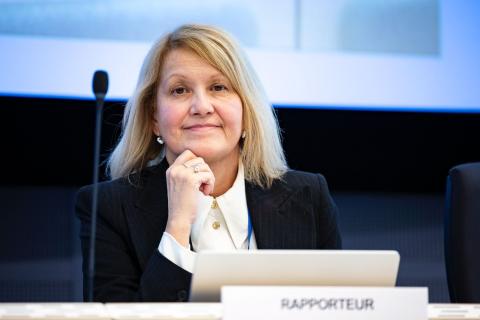
The European Economic and Social Committee (EESC) has adopted in plenary its evaluation of the European Regional Development Fund (ERDF) and the Cohesion Fund for the 2014-2020 period. The opinion aims to assess the effectiveness, relevance and inclusiveness of these key EU funding instruments, providing insights that will shape future cohesion policies.
The evaluation underscores the significant role of the ERDF and the Cohesion Fund in enhancing infrastructure, supporting SMEs and fostering social inclusion across the EU. Investments were particularly impactful in areas such as energy efficiency, education, scientific infrastructure and digitalisation. However, challenges such as administrative complexity, bureaucratic delays and difficulties in ensuring long-term economic sustainability are also highlighted.
While the funds contributed to boosting competitiveness and economic development, the EESC found that rural and less-developed regions often faced hurdles in accessing resources due to capacity inequalities. Additionally, the COVID-19 pandemic and geopolitical crises, such as Russia’s aggression in Ukraine, led to shifts in funding priorities, sometimes delaying planned infrastructure projects.
Civil society involvement
The EESC emphasises the importance of involving civil society throughout the funding process. Despite efforts to ensure participation, NGOs and the social partners faced difficulties in accessing information and resources. The evaluation calls for more inclusive consultation mechanisms and capacity-building initiatives to empower local actors.
Recommendations for future programming
To enhance the impact of the ERDF and the Cohesion Fund, the EESC recommends:
- reducing bureaucracy and streamlining administrative procedures to improve access, particularly for SMEs and marginalised groups;
- strengthening social cohesion policies by integrating best practices from the European Social Fund (ESF);
- enhancing transparency and communication strategies to increase public awareness of EU-funded projects;
- promoting a balanced territorial development approach to bridge urban-rural disparities;
- increasing investment in digitalisation and the green transition to align with the EU’s sustainability goals.
Looking ahead
As the EU prepares for the next multi-annual financial framework, the EESC’s findings serve as a crucial roadmap for policymakers. Ensuring that EU funds reach those who need them most while maximising their socio-economic impact remains a priority. By addressing the identified challenges and implementing the recommended improvements, future cohesion policies can promote a more inclusive and resilient European economy.
Work organisation
Recommended for you
Toghadh Séamus Boland ina Uachtarán ar Choiste Eacnamaíoch agus Sóisialta na hEorpa, agus gheall sé go gcuirfear an tsochaí shibhialta i gcroílár na hEorpa
News
Toghadh Séamus Boland na hÉireann ar an 35ú Uachtarán ar Choiste Eacnamaíoch agus Sóisialta na hEorpa (CESE) le haghaidh an téarma oifige 2025-2028. Is urlabhra riamh anall é do phobail na tuaithe…
CESE, Uachtarántacht na hÉireann agus an fhís choiteann atá acu
News
I ndiaidh na díospóireachta a reáchtáladh le Comhaltaí CESE le linn sheisiún iomlánach mhí Iúil, níl aon dabht faoi ach go bhfuil clár Uachtaránacht reatha an Aontais ag freagairt go mór do na…
#YEYS2022: Ceist na bréagaisnéise pléite ag aos óg na hEorpa agus a dtuairimí ina leith curtha in iúl acu don Leas-Uachtarán Jourová
News
Chuir daltaí meánscoile ó gach cearn den Eoraip ocht gcinn de thograí nithiúla faoi bhráid Leas-Uachtarán an Choimisiúin Eorpaigh um Luachanna agus um Thrédhearcacht, Věra Jourová. Bhí páirt á…
#CivilsocietyforUkraine
News
Cáineann CESE ionradh Rialtas na Rúise ar an Úcráin, ionradh atá gan údar agus gan chúis Rún ó Choiste Eacnamaíoch agus Sóisialta na hEorpa (CESE) maidir leis an gcogadh san Úcráin agus an tionchar…
Eagrán speisialta de CESE info
News
Eagrán speisialta de CESE info atá dírithe ar an Úcráin. Is féidir scéal Tetyana Ogarkova a léamh, bean a chuala fuaim ionradh na Rúise ar dhúiseacht di an 24 Feabhra.