European Economic
and Social Committee
European Economic
and Social Committee
The European Economic and Social Committee (EESC) is the voice of organised civil society in Europe.
Find out more about its role and structure at http://www.eesc.europa.eu/en/about
The EESC issues between 160 and 190 opinions, evaluation and information reports a year.
It also organises several annual initiatives and events with a focus on civil society and citizens’ participation such as the Civil Society Prize, the Civil Society Days, the Your Europe, Your Say youth plenary and the ECI Day.
Find the latest EESC opinions and publications at http://www.eesc.europa.eu/en/our-work/opinions-information-reports/opinions and http://www.eesc.europa.eu/en/our-work/publications-other-work/publications respectively.
The EESC is active in a wide range of areas, from social affairs to economy, energy and sustainability.
Learn more about our policy areas and policy highlights at http://www.eesc.europa.eu/en/policies
The EESC holds nine plenary sessions per year. It also organises many conferences, public hearings and high-level debates related to its work.
Find out more about our upcoming events at http://www.eesc.europa.eu/en/agenda/our-events/upcoming-events
Here you can find news and information about the EESC'swork, including its social media accounts, the EESC Info newsletter, photo galleries and videos.
Read the latest EESC news http://www.eesc.europa.eu/en/news-media/news and press releases http://www.eesc.europa.eu/en/news-media/press-releases
The EESC brings together representatives from all areas of organised civil society, who give their independent advice on EU policies and legislation. The EESC's326 Members are organised into three groups: Employers, Workers and Various Interests.
Find out more about our Members and groups at http://www.eesc.europa.eu/en/members-groups
The EESC has six sections, specialising in concrete topics of relevance to the citizens of the European Union, ranging from social to economic affairs, energy, environment, external relations or the internal market.
Find out more at http://www.eesc.europa.eu/en/sections-other-bodies
EHSV již druhým rokem podporuje iniciativu Evropského parlamentu a stejně jako on pořádá Evropský týden genderové rovnosti. Rád by tak dosáhl toho, aby se genderové hledisko stalo běžnou součástí diskusí, jež vedeme v rámci naší každodenní práce.
EHSV se rozhodl uspořádat na schůzích svých sekcí a Poradní komise pro průmyslové změny (CCMI) v říjnu a listopadu řadu akcí. Kromě toho se na říjnovém plenárním zasedání EHSV, které se uskuteční během Týdne genderové rovnosti, bude konat diskuze s poslankyní a zároveň místopředsedkyní Evropského parlamentu Evelyn Regner, která má tento projekt v Evropském parlamentu na starosti.
EHSV se s touto iniciativou ztotožňuje a já doufám, že v ní budeme moci pokračovat tak dlouho, jak jen bude zapotřebí, abychom si uvědomili, že ačkoli se nám stále více daří dosáhnout skutečné rovnosti žen a mužů, není tento pokrok dostatečně rychlý ani konsolidovaný. Naše společnost se otevřeně staví proti nerovnosti, diskriminaci a násilí páchanému na ženách a většina lidí práva žen vědomě a veřejně hájí a respektuje. Některé postoje a určitá rétorika jsou však bohužel tak hluboce zakořeněné, že někteří lidé jsou jimi podvědomě ovlivněni a dále je šíří. Jiní tak naopak činí záměrně, aby zabránili společenské změně.
Díky kompetencím jednotlivých sekcí EHSV máme možnost poukázat na postavení žen v celé řadě oblastí, od těch převážně mužských až po ty, v nichž jsou nejvíce zastoupeny ženy. Genderová rovnost se netýká pouze žen, nýbrž je nezbytnou podmínkou pro vybudování spravedlivé, odolné a prosperující společnosti. Proto je důležité, aby o to ženy a muži usilovali společně, bok po boku, a vzájemně se při tom respektovali a podporovali.
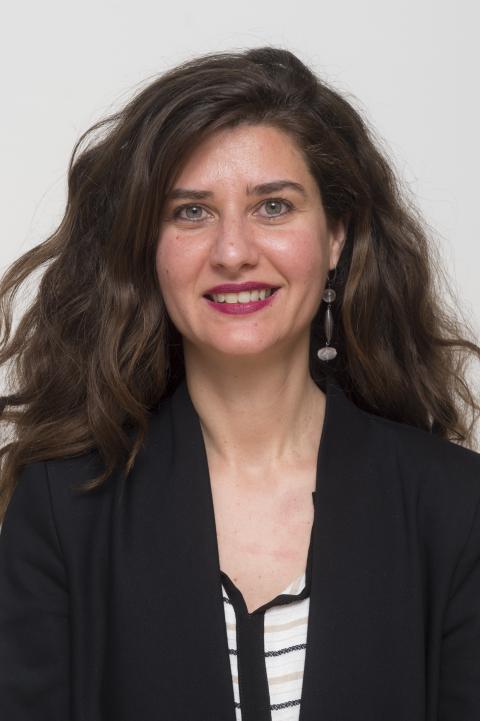
Maria Nikolopoulou, členka EHSV a předsedkyně skupiny Rovnost