
European Economic
and Social Committee
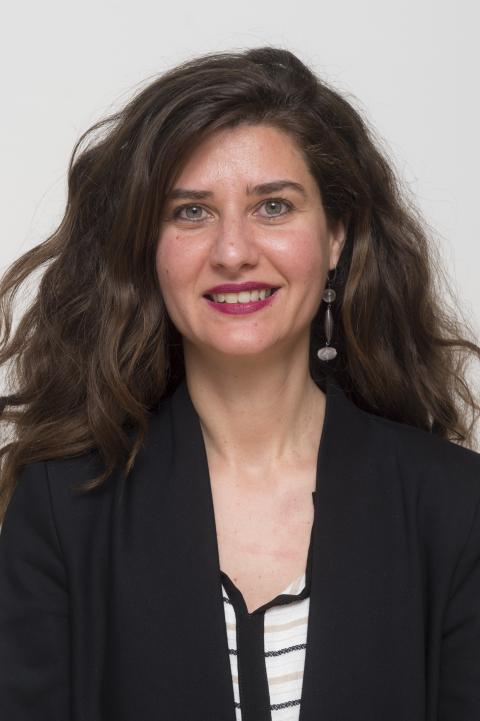
Maria Nikolopoulou: La Semana Europea de la Igualdad de Género en el CESE
Por segundo año consecutivo, el CESE colabora con el Parlamento Europeo y retoma la iniciativa de la Semana Europea de la Igualdad de Género. La idea es incluir la perspectiva de género en los debates como parte de nuestro trabajo habitual.
El CESE ha decidido organizar una serie de actos durante las reuniones de octubre y noviembre de sus secciones y del Comité Consultivo de las Transformaciones Industriales (CCMI). Además, en su pleno de octubre, que tendrá lugar durante la Semana de la Igualdad de Género, el CESE organizará un debate con la eurodiputada y vicepresidenta del Parlamento Europeo Evelyn Regner, responsable de este proyecto en el Parlamento.
El CESE ha hecho suya esta iniciativa y espero que podamos mantenerla durante el tiempo que sea necesario para concienciar a la población de que, aunque avanzamos hacia la igualdad efectiva entre hombres y mujeres, los progresos no son lo suficientemente rápidos ni están consolidados. Nuestra sociedad rechaza abiertamente la desigualdad, la discriminación y la violencia contra las mujeres. Los derechos de las mujeres son defendidos y respetados, consciente y públicamente, por la mayoría de la población. Pero, por desgracia, ciertas actitudes y mensajes están tan arraigados que algunas personas caen inconscientemente en la trampa y los perpetúan, mientras que otras lo hacen intencionadamente para bloquear el cambio social.
Las competencias de las distintas secciones del CESE nos dan la oportunidad de poner de relieve la posición de las mujeres en diversos contextos, desde los más masculinizados hasta aquellos en los que las mujeres están más representadas. La igualdad de género no es «cosa de mujeres», sino una condición previa para construir sociedades justas, resilientes y prósperas. Por eso es importante que mujeres y hombres recorran juntos este camino, de la mano, demostrando respeto y apoyo mutuos.
Maria Nikolopoulou, miembro del CESE y presidenta del Grupo sobre Igualdad