Evropski zeleni dogovor

This page is also available in:

Evropska komisija je 11. decembra 2019 začela izvajati evropski zeleni dogovor, s katerim je okrepila zavezo EU, da bo obravnavala podnebne in okoljske izzive, ki so bistvena naloga te generacije. Cilj evropskega zelenega dogovora je preoblikovati EU v sodobno, z viri gospodarno in konkurenčno gospodarstvo, in zagotoviti, da:

  • bodo do leta 2050 dosežene ničelne neto emisije toplogrednih plinov,
  • bo dosežena gospodarska rast, ki ne bo vezana na izkoriščanje virov,
  • nobena oseba ali kraj ne bosta prezrta.

EU za uresničitev evropskega zelenega dogovora izvaja celovit sveženj pobud, vključno s političnimi in zakonodajnimi predlogi ter razvojem in posodobitvijo instrumentov financiranja.

EESO poziva k zelenemu in socialnemu dogovoru ter poudarja tesno povezavo med zelenim dogovorom in socialno pravičnostjo. Nujno je treba slišati glas vseh deležnikov, da bi spodbudili razvoj trajnostnih in konkurenčnih podjetij prihodnosti v zdravem okolju.

V evropskem zelenem dogovoru je velik poudarek na naložbah ter financiranju zelenega in trajnostnega prehoda. Zeleni dogovor je za Evropo rešilna bilka za izhod iz pandemije COVID-19. Financiran bo s tretjino od 1,8 bilijona evrov naložb iz načrta za okrevanje NextGenerationEU in s sredstvi sedemletnega proračuna EU. Namen tega povečanja možnosti financiranja je krizo pretvoriti v priložnost za preobrazbo za prihodnost Evrope.

EESO ima ključno vlogo pri spremljanju izvajanja pobud in ukrepov evropskega zelenega dogovora. EESO pripravlja mnenja in organizira dejavnosti (glej stranski meni na levi strani), s katerimi zagotavlja, da institucije EU upoštevajo stališča organizirane civilne družbe in da so pobude zelenega dogovora skladne z gospodarskimi, socialnimi in družbenimi okoliščinami v praksi.

Evropski zeleni dogovor zaradi njegove horizontalne in vseobsegajoče narave pokrivajo vse strokovne skupine EESO in komisija CCMI.

  • Published in
    24 pages

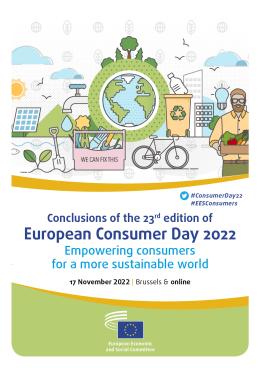
    Conclusions of the 23rd edition of European Consumer Day 2022 - 17 November 2022

  • Published in
    Study
    53 pages

    This study identifies key barriers to accelerating the renovation rate in the residential building sector and to implementing the Minimum Energy Performance Standards (MEPS). It provides a summary of, and recommendations for, overcoming these obstacles. 

  • Published in
    Study
    72 pages

    This study deals with the use of hydrogen for the de-carbonization of the Resources and Energy Intensive Industries (REIIs) and gives a specific insight of the situation of the steel-making industry.

  • Danish Presidency of the Council of the EU

    In this issue:

    • Our members write about their expectations and proposals for the Danish Presidency
    • Guest articles by Simon PRAHM (GAME), Per BACH (Social Entrepreneurs in Denmark) and Daniel VOCES DE ONAÍNDI (Europêche)
    • Interview with rapporteur Joe HEALY on 'Ensuring sustainable food production and a fair income for European farmers' (EESC opinion NAT/939)
    • Interview with the CEPS co-authors of the new EESC study 'Mapping civil dialogue practices in the EU institutions'
    • Reports on recent activities of the EESC Civil Society Organisations' Group
    • Civil Society Organisations' Bulletin - July 2025
  • Building green and inclusive

    In this issue:

    • Members on the future of housing and public spaces in the EU
    • Guest articles by Laura KLITGAARD (The Danish Society of Engineers - IDA), Signe HELLEDI (Cycle Superhighways), Nils Thor ROSTED (Amager Resource Centre), and Gustavo GHIDINI (Movimento Consumatori)
    • Interview with rapporteur Elena-Alexandra CALISTRU on Measures for a resilient, cohesive and inclusive European economy (EESC opinion ECO/661)
    • Civil Society Organisations' Bulletin - June 2025
  • Nature Restoration Law in the Focus of Civil Society

    In this issue:

    • Our members discuss the long-debated Nature Restoration Law
    • Guest articles by Silvie Kreibiehl and Svenja Schünemann (German Nature Conservation Association - DNR), Edwin Michiels (Agriculture and Horticulture Organisation Netherlands (LTO)) and Susanne Westhausen (Cooperatives Europe)
    • Interview with rapporteur Pietro Barbieri on the EESC opinion 'Strengthening civil dialogue and participatory democracy in the EU: a path forward'
    • Civil Society Organisations' Bulletin - March 2024