launch the proposal for a comprehensive European Action Plan on Rare Diseases (APRD) with SMART targets that can be achieved by 2030 to enable the diagnosis of rare disease patients within one year;
set up a Steering Group for the European APRD composed of experts from Member States, EURORDIS members and the EESC to ensure coordination and cooperation, monitoring and supervision of the APRD;
encourage agreements with Member States on the content, updating, application and monitoring of national plans for RD.
believes that mental health literacy for the whole of society is needed, both to fight stigma and to facilitate an early intervention and diagnosis of mental health conditions;
considers that relevant policies should aim for an integrated mental health system based on cooperation among the sectors of education, employment, social care and mental health care;
believes empowerment and support for self-representation are key to ensuring the full participation of people in what concerns them and to co-producing strategies and programmes. This involves the planning, design, provision and evaluation of care. It should be accompanied by technical and financial support for forms of self-management.
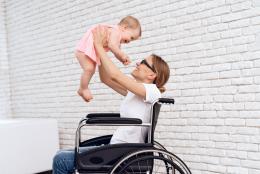
Only nine EU countries criminalise forced sterilisation as a distinct offence, while 13 allow it to be performed on persons with disabilities – and in three of those countries that includes minors. When it comes to the sexual and reproductive health rights of women with disabilities, the EU is far from being a union of equality, an EESC hearing revealed
the Commission to put the topic of informal carers high on the political agenda and to establish a Platform for the exchange of best practices among Member States;
Member States to adopt policies that i) encourage the provision and uptake of high-quality, community-based long-term care services, and ii) ensure that informal carers have access to respite services and preventive medicine to tackle the high risk of burnout and physical and mental overload to which they are exposed;
Member States to take appropriate measures to ensure that the decision to take on informal care is voluntary, that gender inequalities are tackled and that informal carers can keep their jobs and levels of pay thanks to more flexible working conditions and can easily re-enter the job market if they are forced to leave it.
Healthcare professionals and civil society representatives called on policy-makers to introduce a ‘Health check’ for all future policies. Their demand just before the elections to the European Parliament: the ‘Right to Health’ must remain at the top of the EU and national agendas, as citizens demanded at the Conference on the Future of Europe.
Conference on 'The State of Health in the EU', organised by the EESC Civil Society Organisations' Group, in partnership with the Centre Hospitalier Universitaire de Liège and the Hôpital de la Citadelle, in the framework of the Belgian presidency of the Council of the EU, 4 June, Liège (Belgium)
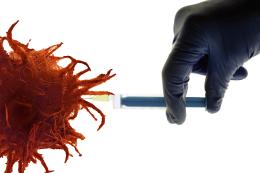
With the number of cancers and cancer-related deaths across the EU rising at an alarming rate, the European Economic and Social Committee (EESC) calls for due attention to be paid to the need for cancer prevention measures, as about 40% of cancer cases are deemed preventable.
highlights the need for proper information, education and communication on vaccination, and highlights the role of school healthcare systems and parents in this endeavour;
calls for strong efforts to fight misinformation and disinformation by acquiring science-based evidence and disseminating fact-based information through different channels, including social media;
emphasises the need for gender equality in cancer prevention measures, and calls for HPV vaccinations to be proposed to all girls and boys of a certain age, for communication on the availability of HPV vaccination for boys to be stepped up, and for information on the vaccination rates of both boys and girls in various Member States to be gathered and published.