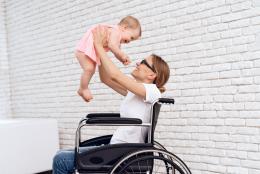
Only nine EU countries criminalise forced sterilisation as a distinct offence, while 13 allow it to be performed on persons with disabilities – and in three of those countries that includes minors. When it comes to the sexual and reproductive health rights of women with disabilities, the EU is far from being a union of equality, an EESC hearing revealed
the Commission to put the topic of informal carers high on the political agenda and to establish a Platform for the exchange of best practices among Member States;
Member States to adopt policies that i) encourage the provision and uptake of high-quality, community-based long-term care services, and ii) ensure that informal carers have access to respite services and preventive medicine to tackle the high risk of burnout and physical and mental overload to which they are exposed;
Member States to take appropriate measures to ensure that the decision to take on informal care is voluntary, that gender inequalities are tackled and that informal carers can keep their jobs and levels of pay thanks to more flexible working conditions and can easily re-enter the job market if they are forced to leave it.
Les professionnels de la santé et les représentants de la société civile ont appelé les décideurs politiques à introduire une « Health check » pour toutes les politiques futures. Leur revendication juste avant les élections au Parlement européen : le « droit à la santé » doit rester en tête des agendas européens et nationaux, comme l’ont demandé les citoyens lors de la Conférence sur l’avenir de l’Europe.
Conference on 'The State of Health in the EU', organised by the EESC Civil Society Organisations' Group, in partnership with the Centre Hospitalier Universitaire de Liège and the Hôpital de la Citadelle, in the framework of the Belgian presidency of the Council of the EU, 4 June, Liège (Belgium)
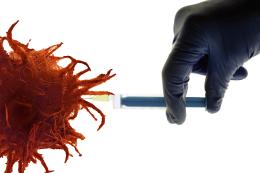
Face à la progression alarmante du nombre de cancers et de décès liés à cette pathologie partout dans l’Union, le Comité économique et social européen (CESE) demande qu’une attention particulière soit accordée aux mesures qui s’imposent dans la prévention de cette maladie, sachant qu’environ 40 % des cas de cancer sont considérés comme évitables.
highlights the need for proper information, education and communication on vaccination, and highlights the role of school healthcare systems and parents in this endeavour;
calls for strong efforts to fight misinformation and disinformation by acquiring science-based evidence and disseminating fact-based information through different channels, including social media;
emphasises the need for gender equality in cancer prevention measures, and calls for HPV vaccinations to be proposed to all girls and boys of a certain age, for communication on the availability of HPV vaccination for boys to be stepped up, and for information on the vaccination rates of both boys and girls in various Member States to be gathered and published.
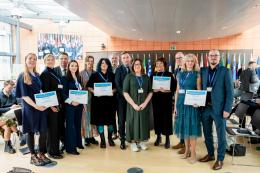
Ce 7 mars, le Comité économique et social européen (CESE) a récompensé cinq organisations à but non lucratif pour la contribution exceptionnelle qu’ils apportent dans la prise en charge des troubles de la santé mentale, lesquels ont considérablement augmenté au sein de l’Union.
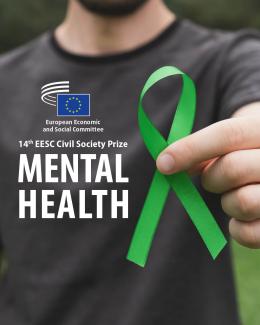
On 7 March, the European Economic and Social Committee (EESC) will award its 14th Civil Society Prize, dedicated to mental health, to five non-profit projects: two from Finland and one each from Italy, Ireland and Slovakia.
Le Comité économique et social européen (CESE) décerne cette année son emblématique prix de la société civile à des projets sans but lucratif qui favorisent le bien-être mental des Européens.
Young people's mental health is being increasingly compromised by the excessive use of social media, concerns about climate change and a sense of powerlessness. This is a "political" issue for the EU because it can often be linked to the labour market and housing situation facing young people