Civil society organisations (CSOs) must be recognised, involved and supported as partners that defend and strengthen European democracy and contribute to a functioning rule of law culture.
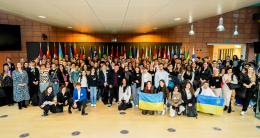
Op 23 en 24 maart is bij het Europees Economisch en Sociaal Comité (EESC) de veertiende editie van Jouw Europa, jouw mening! (YEYS!) gehouden. Voor dat evenement kwamen 105 leerlingen van 35 scholen uit de 27 landen van de EU en de zeven kandidaat-lidstaten in Brussel bijeen. Gezien de vele maatschappelijke en economische uitdagingen, de krimpende ruimte voor het maatschappelijk middenveld en de bedreiging van de vrede en de grondrechten, stond de conferentie dit jaar in het teken van de “Dialoog met jongeren over democratie”. Jongeren moeten namelijk hun zegje kunnen doen wanneer de toekomst van Europa wordt uitgestippeld. De aanbevelingen van de scholieren zullen in juni 2023 aan de Europese instellingen en aan hooggeplaatste EU-beleidsmakers worden voorgelegd.
On 23 March, the European Economic and Social Committee (EESC) held a plenary debate and adopted a resolution entitled "United for Democracy" with concrete proposals to strengthen democracies and democratic values across the European Union. Policymakers, experts, and organised civil society representatives agreed that civic education, better funding to social partners and a focus on the local dimension, are key to democracy in Europe.
The EESC held a debate in plenary on the growing importance of organised civil society and cities in Europe's ability to face asymmetric shocks and unforeseen crises. This was linked to the adoption of two opinions, on Flexible Assistance to Territories (FAST-CARE) and on the Ljubljana Agreement on the Urban Agenda of the EU. The Committee welcomes both initiatives, but finds they miss the bar in terms of properly empowering and involving organised civil society. A key measure proposed by the EESC is to create a separate EU fund for the reconstruction and development of Ukraine to complement the efforts made by the Member States.
In its resolution on the involvement of organised civil society in the implementation and monitoring of the National Recovery and Resilience Plans (NRRPs) the European Economic and Social Committee calls for clear rules to effectively involve social partners and civil society organisations in the Member states' strategies to bring the economy back on track.
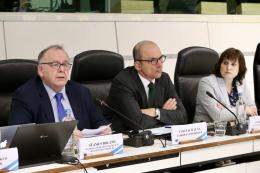
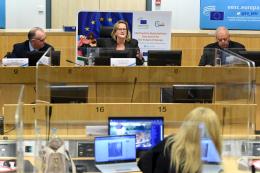
At a conference, organised by the Diversity Europe Group of the EESC in partnership with Civil Society Europe and with the support of the EESC's Liaison Group and Associational Life Category, Civil Society Organisations (CSOs) and their umbrella organisations reiterated their call for an EU Civil Society Strategy and a European Statute for Associations. Appropriate follow-up to the Conference on the Future of Europe and a regular and structured dialogue with CSOs were considered key aspects to rebuilding citizens' trust in politics and strengthening European democracy.
Conference on 'Civil society organisations: Key actors for the future of Europe',organised by the Diversity Europe Group in partnership with Civil Society Europe and with the support of the EESC's Liaison Group and Associational Life Category