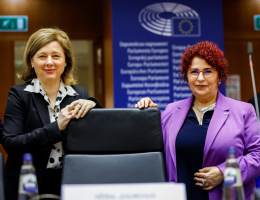
La 23 și 24 martie, Comitetul Economic și Social European (CESE) a găzduit cea de-a 14-a ediție a manifestării Europa ta, părerea ta! (Your Europe, Your Say! – YEYS!), care a adus laolaltă, la Bruxelles, 105 elevi din 35 de școli din toate cele 27 de state membre ale UE și din cele șapte țări candidate. Având în vedere numeroasele provocări societale și economice, restrângerea spațiului civic și amenințările la adresa păcii și a drepturilor fundamentale, conferința din acest an s-a axat pe tema „Dialoguri cu tinerii pe tema democrației” și a urmărit să se asigure că opiniile tinerilor se reflectă în modelarea viitorului Europei. Recomandările elevilor vor fi transmise instituțiilor europene și factorilor de decizie la nivel înalt din UE în iunie 2023.
On 23 March, the European Economic and Social Committee (EESC) held a plenary debate and adopted a resolution entitled "United for Democracy" with concrete proposals to strengthen democracies and democratic values across the European Union. Policymakers, experts, and organised civil society representatives agreed that civic education, better funding to social partners and a focus on the local dimension, are key to democracy in Europe.
CESE a organizat, în sesiune plenară, o dezbatere privind importanța tot mai mare a societății civile organizate și a orașelor în asigurarea capacității Europei de a face față șocurilor asimetrice și crizelor neprevăzute. Schimbul de opinii a fost legat de adoptarea a două avize, unul privind Asistență flexibilă pentru teritorii (FAST-CARE), iar celălalt privind Acordul de la Ljubljana privind Agenda urbană a UE. Comitetul salută ambele inițiative, dar consideră că acestea nu propun soluții suficiente pentru capacitarea și implicarea corespunzătoare a societății civile organizate în eforturile de asigurare a rezilienței europene. O măsură esențială propusă de CESE este crearea unui fond UE separat pentru reconstrucția și dezvoltarea Ucrainei, care să completeze eforturile depuse de statele membre.
In its resolution on the involvement of organised civil society in the implementation and monitoring of the National Recovery and Resilience Plans (NRRPs) the European Economic and Social Committee calls for clear rules to effectively involve social partners and civil society organisations in the Member states' strategies to bring the economy back on track.
At a conference, organised by the Diversity Europe Group of the EESC in partnership with Civil Society Europe and with the support of the EESC's Liaison Group and Associational Life Category, Civil Society Organisations (CSOs) and their umbrella organisations reiterated their call for an EU Civil Society Strategy and a European Statute for Associations. Appropriate follow-up to the Conference on the Future of Europe and a regular and structured dialogue with CSOs were considered key aspects to rebuilding citizens' trust in politics and strengthening European democracy.
Conference on 'Civil society organisations: Key actors for the future of Europe',organised by the Diversity Europe Group in partnership with Civil Society Europe and with the support of the EESC's Liaison Group and Associational Life Category
"Cohesion policy 2028–2034: A new fund, a new framework, a new role for civil society?" brings together EU institutions, social partners and civil society representatives to reflect on the future of cohesion policy in the next Multiannual Financial Framework. The hearing explores proposals for reforming cohesion funding and governance, assesses the implications of the new framework through the National and Regional Partnership Plans and examines how civil society organisations can play a stronger role in the design, implementation and monitoring of cohesion policy. The discussion aims to identify how cohesion policy can continue to deliver territorial, social and economic cohesion while responding to new challenges and transitions facing the European Union.
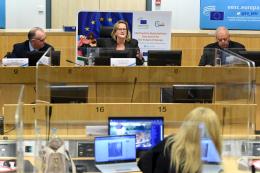
Public debate in the ECO Section on the Latest twists and turns on the road to the next Multiannual Financial Framework in the framework of the opinion ECO/682 Multiannual financial framework 2028-2034.