Civil society organisations (CSOs) must be recognised, involved and supported as partners that defend and strengthen European democracy and contribute to a functioning rule of law culture.
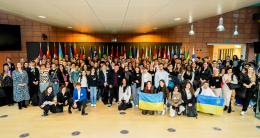
Il 23 e 24 marzo il Comitato economico e sociale europeo (CESE) ha ospitato la 14a edizione di Your Europe, Your Say! (YEYS!) [in italiano: La vostra Europa, la vostra opinione!], che ha riunito a Bruxelles 105 studenti provenienti da 35 scuole di tutti i 27 Stati membri dell'UE e dei sette paesi candidati. Date le numerose sfide sociali ed economiche, la contrazione dello spazio civico e le minacce alla pace e ai diritti fondamentali, l'edizione 2023 si è concentrata sui Dialoghi con i giovani sulla democrazia con l'intento di garantire che la voce dei giovani sia ascoltata quando si plasma il futuro dell'Europa. Gli studenti hanno formulato alcune raccomandazioni, che saranno presentate alle istituzioni europee e ai responsabili politici di alto livello dell'UE nel giugno prossimo.
On 23 March, the European Economic and Social Committee (EESC) held a plenary debate and adopted a resolution entitled "United for Democracy" with concrete proposals to strengthen democracies and democratic values across the European Union. Policymakers, experts, and organised civil society representatives agreed that civic education, better funding to social partners and a focus on the local dimension, are key to democracy in Europe.
The EESC held a debate in plenary on the growing importance of organised civil society and cities in Europe's ability to face asymmetric shocks and unforeseen crises. This was linked to the adoption of two opinions, on Flexible Assistance to Territories (FAST-CARE) and on the Ljubljana Agreement on the Urban Agenda of the EU. The Committee welcomes both initiatives, but finds they miss the bar in terms of properly empowering and involving organised civil society. A key measure proposed by the EESC is to create a separate EU fund for the reconstruction and development of Ukraine to complement the efforts made by the Member States.
Nella sua risoluzione sul coinvolgimento della società civile organizzata nell'attuazione e nel monitoraggio dei piani nazionali per la ripresa e la resilienza (PNRR), il Comitato economico e sociale europeo (CESE) chiede norme chiare per un efficace coinvolgimento delle parti sociali e delle organizzazioni della società civile nelle strategie degli Stati membri volte a riportare l'economia sulla buona strada.
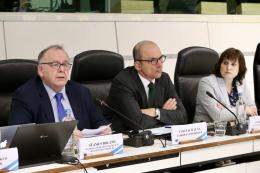
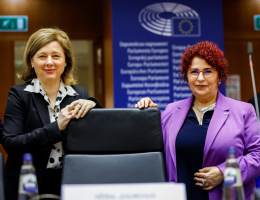
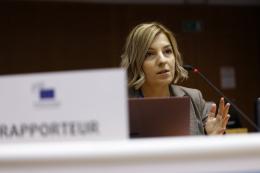
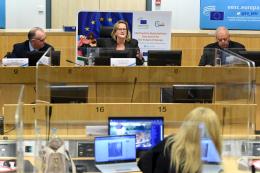
At a conference, organised by the Diversity Europe Group of the EESC in partnership with Civil Society Europe and with the support of the EESC's Liaison Group and Associational Life Category, Civil Society Organisations (CSOs) and their umbrella organisations reiterated their call for an EU Civil Society Strategy and a European Statute for Associations. Appropriate follow-up to the Conference on the Future of Europe and a regular and structured dialogue with CSOs were considered key aspects to rebuilding citizens' trust in politics and strengthening European democracy.
Conference on 'Civil society organisations: Key actors for the future of Europe',organised by the Diversity Europe Group in partnership with Civil Society Europe and with the support of the EESC's Liaison Group and Associational Life Category