Civil society organisations (CSOs) must be recognised, involved and supported as partners that defend and strengthen European democracy and contribute to a functioning rule of law culture.
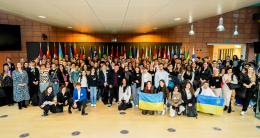
Em 23 e 24 de março, o Comité Económico e Social Europeu (CESE) acolheu a 14.ª edição do evento «A tua Europa, a tua voz!», que reuniu em Bruxelas 105 alunos de 35 escolas dos 27 Estados‑Membros da UE e dos sete países candidatos. Face a uma diversidade de desafios sociais e económicos, à contração do espaço cívico e às ameaças à paz e aos direitos fundamentais, a conferência deste ano centrou-se nos «Diálogos com a juventude sobre a democracia» e procurou assegurar que a voz dos jovens é tida em conta na conceção do futuro da Europa. As recomendações dos alunos serão apresentadas às instituições europeias e aos principais responsáveis políticos da UE em junho de 2023.
On 23 March, the European Economic and Social Committee (EESC) held a plenary debate and adopted a resolution entitled "United for Democracy" with concrete proposals to strengthen democracies and democratic values across the European Union. Policymakers, experts, and organised civil society representatives agreed that civic education, better funding to social partners and a focus on the local dimension, are key to democracy in Europe.
The EESC held a debate in plenary on the growing importance of organised civil society and cities in Europe's ability to face asymmetric shocks and unforeseen crises. This was linked to the adoption of two opinions, on Flexible Assistance to Territories (FAST-CARE) and on the Ljubljana Agreement on the Urban Agenda of the EU. The Committee welcomes both initiatives, but finds they miss the bar in terms of properly empowering and involving organised civil society. A key measure proposed by the EESC is to create a separate EU fund for the reconstruction and development of Ukraine to complement the efforts made by the Member States.
Na sua resolução sobre a participação da sociedade civil organizada na execução e no acompanhamento dos planos nacionais de recuperação e resiliência (PRR), o Comité Económico e Social Europeu apela para a adoção de regras claras tendo em vista a participação efetiva dos parceiros sociais e das organizações da sociedade civil nas estratégias de relançamento da economia adotadas pelos Estados-Membros.
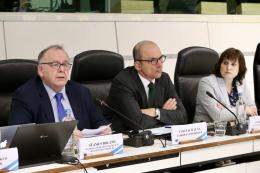
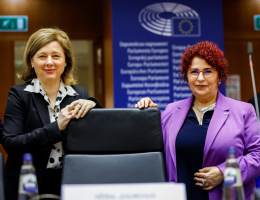
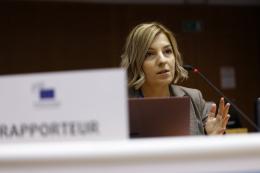
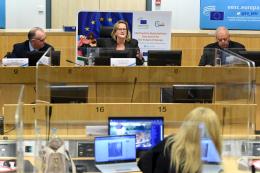
At a conference, organised by the Diversity Europe Group of the EESC in partnership with Civil Society Europe and with the support of the EESC's Liaison Group and Associational Life Category, Civil Society Organisations (CSOs) and their umbrella organisations reiterated their call for an EU Civil Society Strategy and a European Statute for Associations. Appropriate follow-up to the Conference on the Future of Europe and a regular and structured dialogue with CSOs were considered key aspects to rebuilding citizens' trust in politics and strengthening European democracy.
Conference on 'Civil society organisations: Key actors for the future of Europe',organised by the Diversity Europe Group in partnership with Civil Society Europe and with the support of the EESC's Liaison Group and Associational Life Category