Civil society organisations (CSOs) must be recognised, involved and supported as partners that defend and strengthen European democracy and contribute to a functioning rule of law culture.
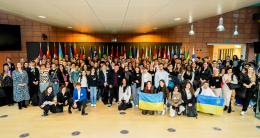
Los días 23 y 24 de marzo el Comité Económico y Social Europeo (CESE) acogió la 14.ª edición del acto «¡Tu Europa, tu voz!», que congregó en Bruselas a ciento cinco estudiantes de treinta y cinco escuelas de los veintisiete Estados miembros de la UE y de los siete países candidatos a la adhesión. Habida cuenta de los numerosos retos sociales y económicos, de la reducción del espacio cívico y de las amenazas contra la paz y los derechos fundamentales, la conferencia de este año se centró en el tema de los «Diálogos con la juventud sobre la democracia», cuyo objetivo era garantizar que se escuche la voz de la juventud al forjar el futuro de Europa. En junio de 2023 se presentarán a las instituciones europeas y a los responsables políticos de alto nivel de la UE las recomendaciones de los estudiantes.
On 23 March, the European Economic and Social Committee (EESC) held a plenary debate and adopted a resolution entitled "United for Democracy" with concrete proposals to strengthen democracies and democratic values across the European Union. Policymakers, experts, and organised civil society representatives agreed that civic education, better funding to social partners and a focus on the local dimension, are key to democracy in Europe.
The EESC held a debate in plenary on the growing importance of organised civil society and cities in Europe's ability to face asymmetric shocks and unforeseen crises. This was linked to the adoption of two opinions, on Flexible Assistance to Territories (FAST-CARE) and on the Ljubljana Agreement on the Urban Agenda of the EU. The Committee welcomes both initiatives, but finds they miss the bar in terms of properly empowering and involving organised civil society. A key measure proposed by the EESC is to create a separate EU fund for the reconstruction and development of Ukraine to complement the efforts made by the Member States.
En su Resolución sobre la participación de la sociedad civil organizada en la aplicación y el seguimiento de los planes nacionales de recuperación y resiliencia, el Comité Económico y Social Europeo pide normas claras para que los interlocutores sociales y las organizaciones de la sociedad civil participen de manera efectiva en las estrategias de los Estados miembros para volver a encauzar la economía
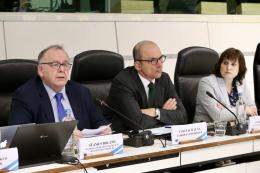
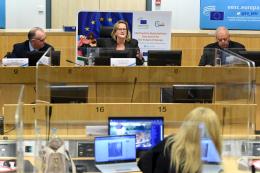
At a conference, organised by the Diversity Europe Group of the EESC in partnership with Civil Society Europe and with the support of the EESC's Liaison Group and Associational Life Category, Civil Society Organisations (CSOs) and their umbrella organisations reiterated their call for an EU Civil Society Strategy and a European Statute for Associations. Appropriate follow-up to the Conference on the Future of Europe and a regular and structured dialogue with CSOs were considered key aspects to rebuilding citizens' trust in politics and strengthening European democracy.
Conference on 'Civil society organisations: Key actors for the future of Europe',organised by the Diversity Europe Group in partnership with Civil Society Europe and with the support of the EESC's Liaison Group and Associational Life Category