
European Economic
and Social Committee
EESC's First Ever Participation in Western Balkans Annual Ministerial Meeting

EESC President Oliver Röpke attended the "Ministerial Meeting of the Western Balkans Steering Platforms on Education and Training, Research and Innovation, and Culture" in Skopje, North Macedonia, on the 29 and 30 September. This marks the first time the European Economic and Social Committee (EESC) and its President participated in this pivotal event, signaling an important step in enhancing cooperation between the EU and the Western Balkans.
The annual meeting gathers key stakeholders from the EU and the Western Balkans region to discuss shared policy challenges and cooperation. Several senior EU officials, including Commissioner Iliana Ivanova, and representatives and ministers from Western Balkan states, also took part.
President Röpke participated in the panel "Best Practice on Smart Specialisation Strategies," where he emphasized the EESC's critical role in the enlargement process. He highlighted how the EESC supports civil society in the Enlargement Candidate Members (ECMs) and underscored the importance of adopting smart specialisation strategies in these countries to boost regional innovation and competitiveness. He noted that closing the socio-economic gap between the Western Balkans and the EU is crucial, and the EESC is committed to contributing to this goal.
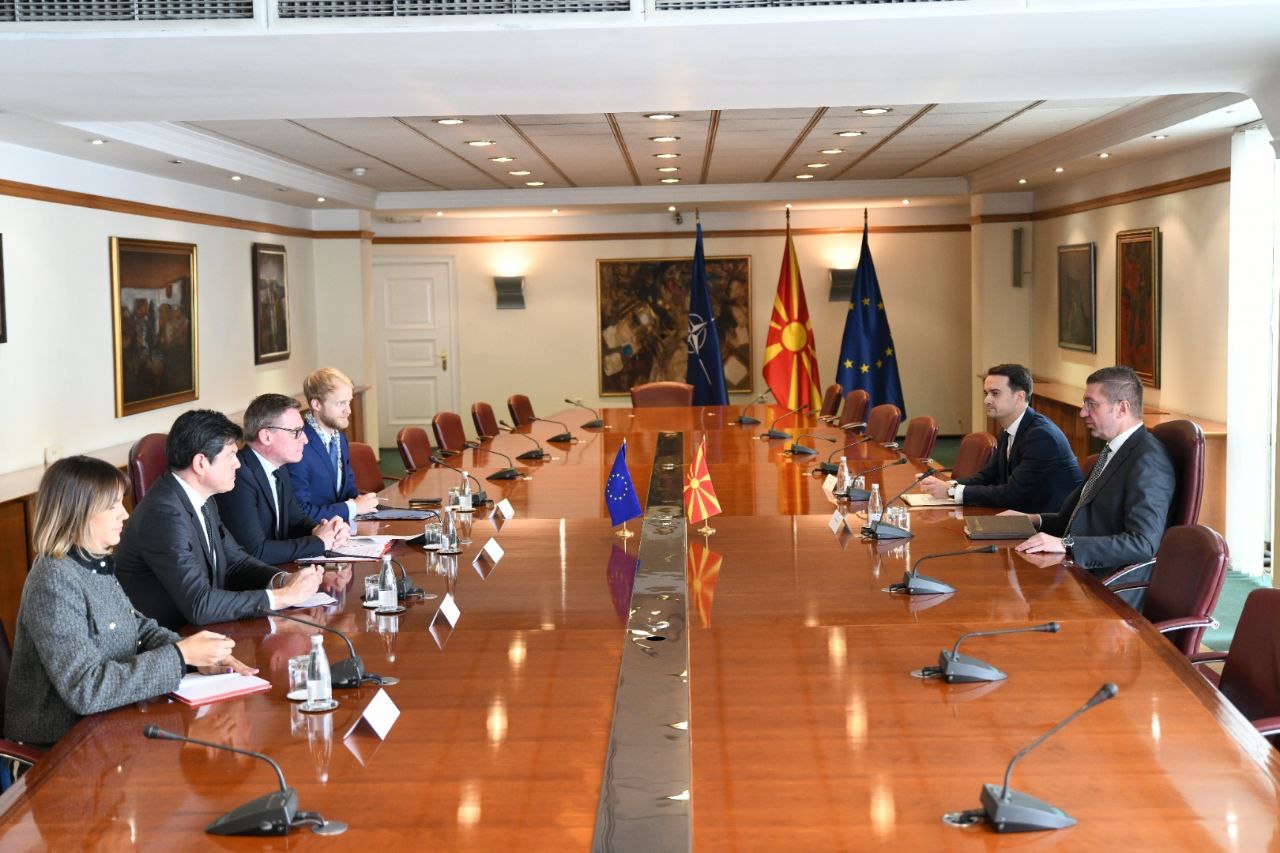 In addition to his participation in the Ministerial Meeting, President Röpke held a bilateral meeting with Prime Minister Hristijan Mickoski. The discussions centered on the EU accession process, the role of civil society, and the importance of maintaining momentum in North Macedonia’s integration path. Mr. Röpke reaffirmed the EESC's commitment to supporting North Macedonia on its journey toward EU membership and encouraged continued efforts to align with EU standards.
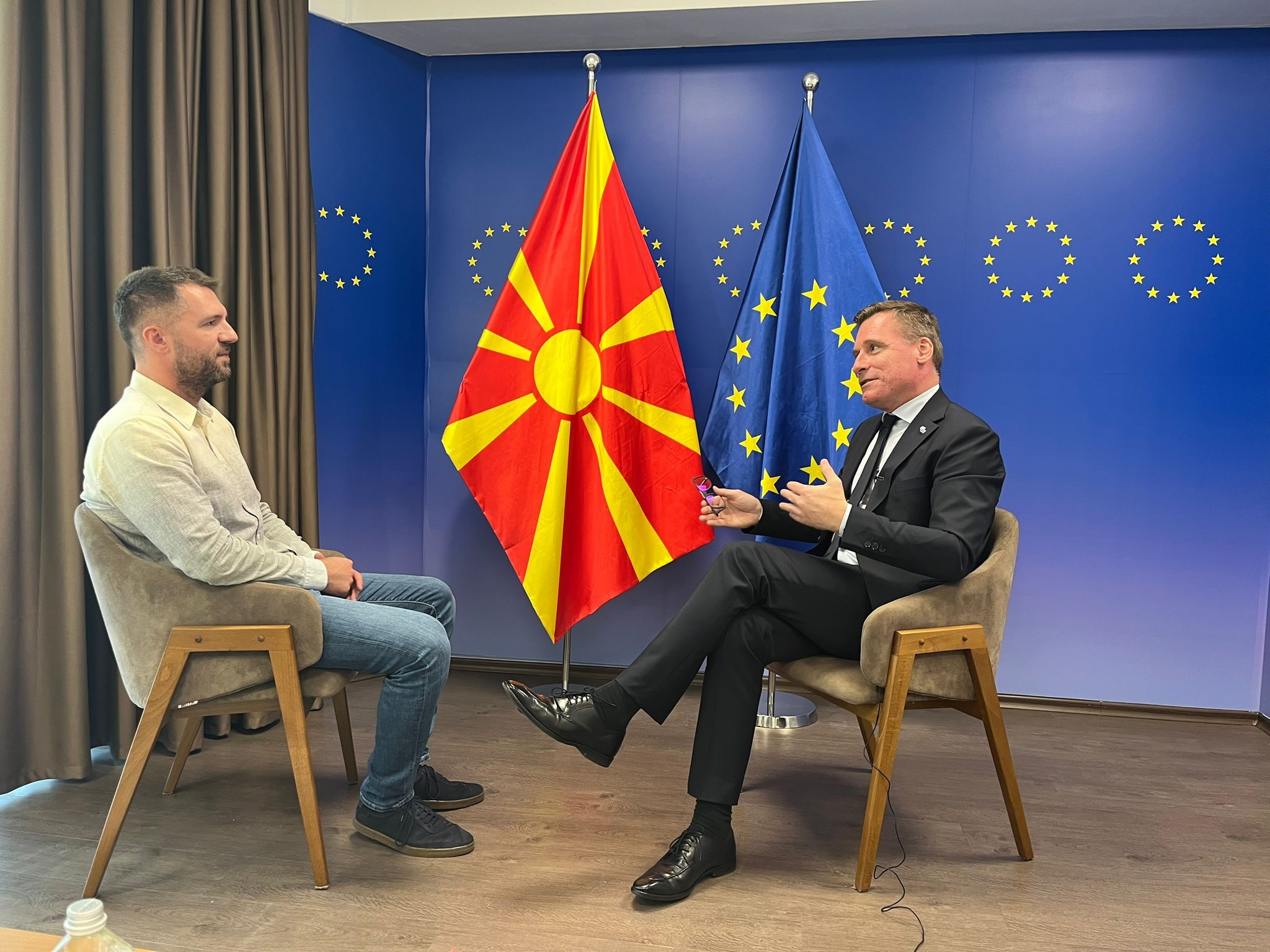 Furthermore, President Röpke was interviewed by the public broadcaster MRT's flagship show Agenda35, where he reiterated the importance of smart specialisation strategies and the role of civil society in the EU accession process. He stressed that the EESC will continue to advocate for a gradual, merit-based approach to EU enlargement, ensuring that the people of the Western Balkans are already benefiting from closer ties with the EU.
In a closing statement, Mr. Röpke reinforced that smart specialisation strategies are key for fostering job creation, sustainable economic development, and enhancing competitiveness, benefitting both the region and its EU partners.
Recommended for you
YEYS! 2023: Jongeren vragen een EU die transparanter, digitaler en eenvoudiger is
News
Op 23 en 24 maart is bij het Europees Economisch en Sociaal Comité (EESC) de veertiende editie van Jouw Europa, jouw mening! (YEYS!) gehouden. Voor dat evenement kwamen 105 leerlingen van 35 scholen…
De elektriciteitsmarkt van de EU moet worden hervormd
News
Uit een door het Europees Economisch en Sociaal Comité (EESC) georganiseerd debat kwam naar voren dat het van cruciaal belang is de Europese elektriciteitsmarkt aan te passen om de zwakke punten…
Kandidaten kunnen zich nu aanmelden voor de EESC-prijs voor het maatschappelijk middenveld, die dit jaar geestelijke gezondheid als thema heeft
News
Maatschappelijke organisaties, individuen en particuliere ondernemingen kunnen nu met hun non-profitprojecten meedingen naar de EESC-prijs voor het maatschappelijk middenveld, die deze keer in het…
EESC roept de EU-burgers op om in juni 2024 te stemmen voor een verenigd en democratisch Europa
News
Tegen de achtergrond van een wereldwijde achteruitgang van de democratie, welig tierende desinformatie, groeiende ontevredenheid, stijgende inflatie en oorlogsdreiging, staat er veel op het spel bij…
De sociale en burgerdialoog kunnen de EU helpen duurzaam te groeien
News
Slechts enkele dagen na de Europese verkiezingen van 2024 kwamen het Europees Economisch en Sociaal Comité (EESC) en de nationale sociaal-economische raden van de EU bijeen om de stand van zaken van…