
European Economic
and Social Committee
EESC's First Ever Participation in Western Balkans Annual Ministerial Meeting

EESC President Oliver Röpke attended the "Ministerial Meeting of the Western Balkans Steering Platforms on Education and Training, Research and Innovation, and Culture" in Skopje, North Macedonia, on the 29 and 30 September. This marks the first time the European Economic and Social Committee (EESC) and its President participated in this pivotal event, signaling an important step in enhancing cooperation between the EU and the Western Balkans.
The annual meeting gathers key stakeholders from the EU and the Western Balkans region to discuss shared policy challenges and cooperation. Several senior EU officials, including Commissioner Iliana Ivanova, and representatives and ministers from Western Balkan states, also took part.
President Röpke participated in the panel "Best Practice on Smart Specialisation Strategies," where he emphasized the EESC's critical role in the enlargement process. He highlighted how the EESC supports civil society in the Enlargement Candidate Members (ECMs) and underscored the importance of adopting smart specialisation strategies in these countries to boost regional innovation and competitiveness. He noted that closing the socio-economic gap between the Western Balkans and the EU is crucial, and the EESC is committed to contributing to this goal.
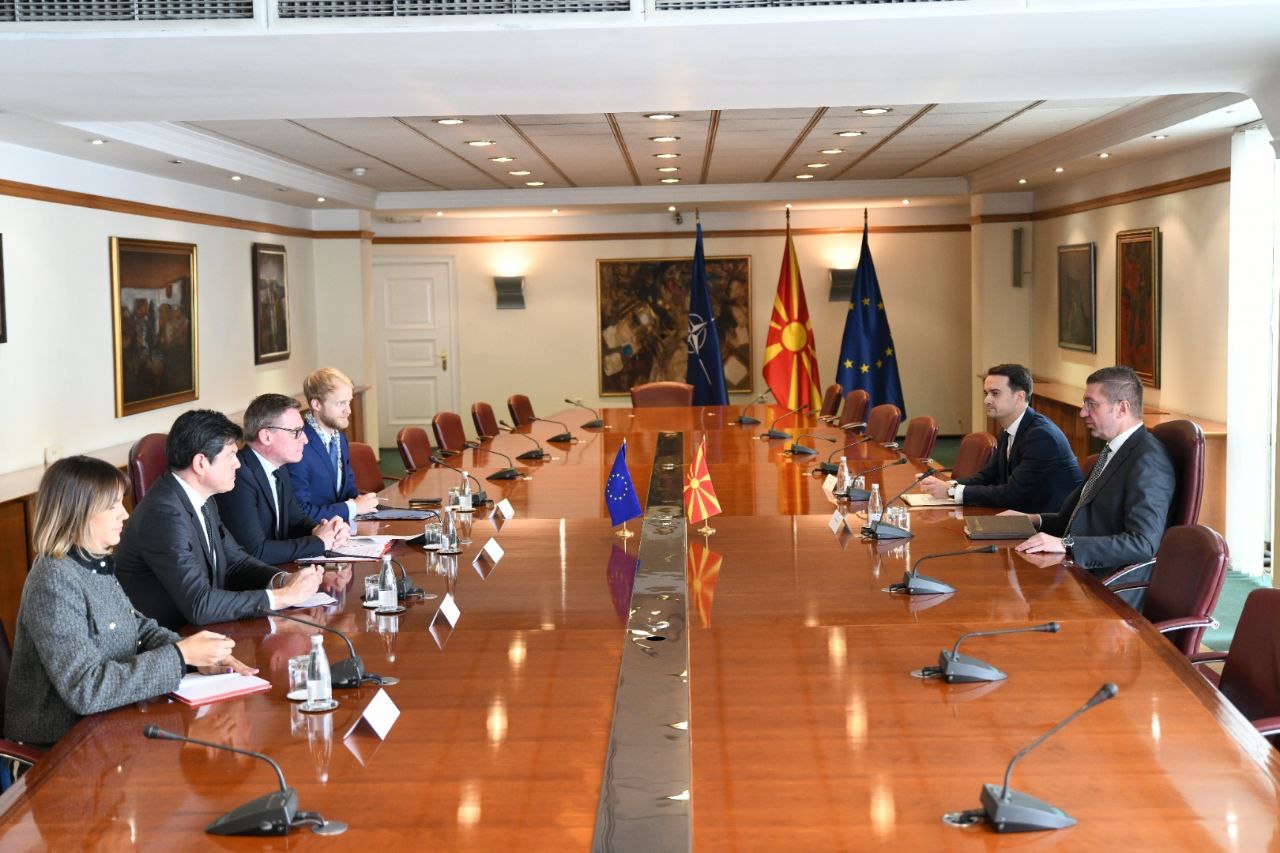 In addition to his participation in the Ministerial Meeting, President Röpke held a bilateral meeting with Prime Minister Hristijan Mickoski. The discussions centered on the EU accession process, the role of civil society, and the importance of maintaining momentum in North Macedonia’s integration path. Mr. Röpke reaffirmed the EESC's commitment to supporting North Macedonia on its journey toward EU membership and encouraged continued efforts to align with EU standards.
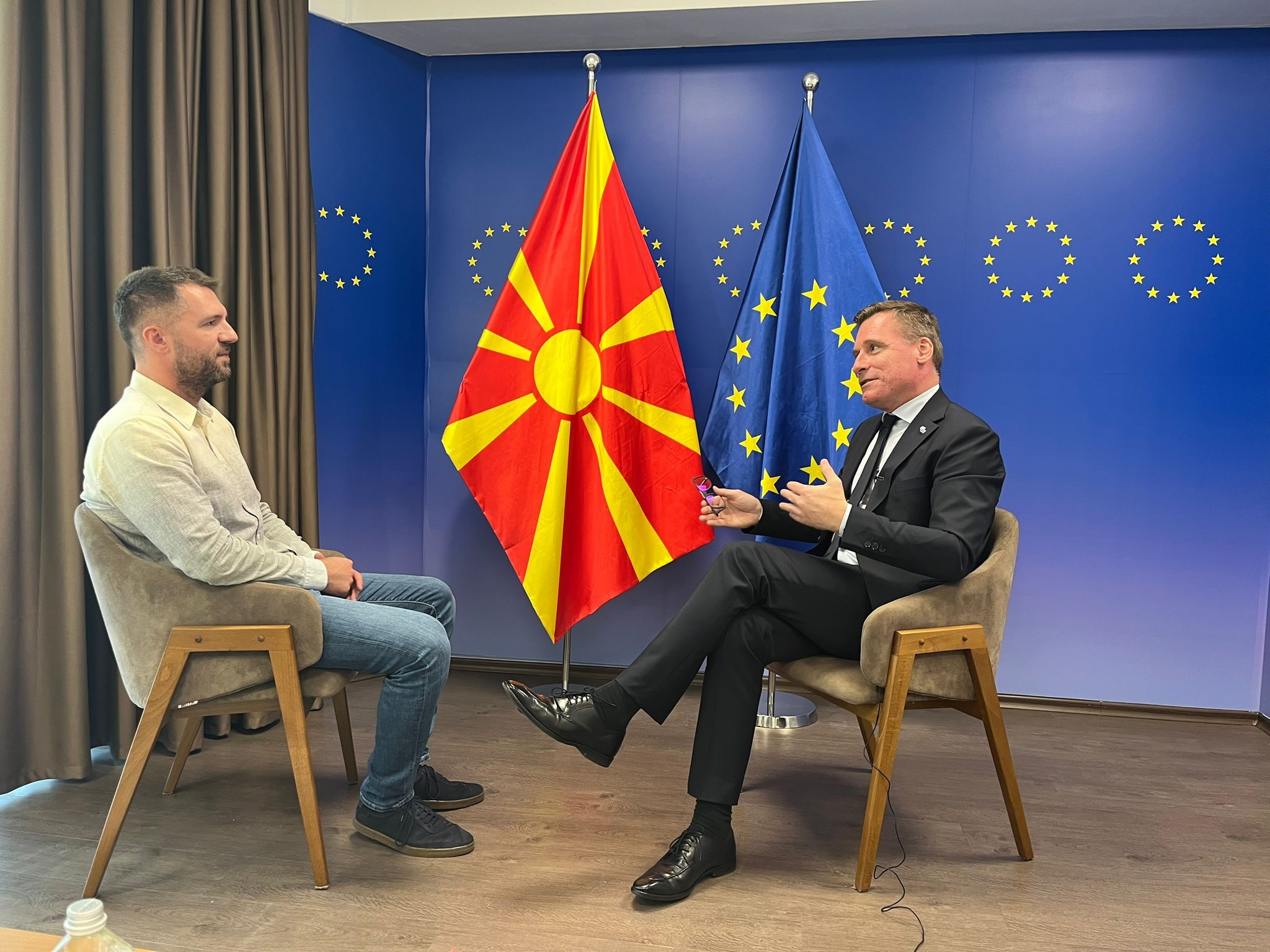 Furthermore, President Röpke was interviewed by the public broadcaster MRT's flagship show Agenda35, where he reiterated the importance of smart specialisation strategies and the role of civil society in the EU accession process. He stressed that the EESC will continue to advocate for a gradual, merit-based approach to EU enlargement, ensuring that the people of the Western Balkans are already benefiting from closer ties with the EU.
In a closing statement, Mr. Röpke reinforced that smart specialisation strategies are key for fostering job creation, sustainable economic development, and enhancing competitiveness, benefitting both the region and its EU partners.
Recommended for you
Współtworzenie usług publicznych w sektorze opieki zdrowotnej przyczyni się do silniejszej demokracji uczestniczącej w UE
News
Podczas wydarzenia zorganizowanego przez Europejski Komitet Ekonomiczno-Społeczny (EKES) i Uniwersytet w Debreczynie podkreślono kluczowe znaczenie współtworzenia usług świadczonych w interesie…
Zorganizowane społeczeństwo obywatelskie UE nie zostawi Ukrainy
News
Europejski Komitet Ekonomiczno-Społeczny (EKES) zorganizował 19 lipca konferencję wysokiego szczebla nt. pomocy dla Ukrainy i jej odbudowy. Podczas tego wydarzenia zobowiązał się w pełni i na…
Europejski Komitet Ekonomiczno-Społeczny w Gdańsku. - Wolontariusze potrzebują rządowego wsparcia
News
O tendencjach w rozwoju wolontariatu w Unii Europejskiej, o nowych formach wolontariatu, ale też o wsparciu organów publicznych dla organizacji i wolontariuszy i jego roli gospodarczej - o tym, i nie…
Nowy europejski Bauhaus niesie wszechstronne korzyści dla przyszłości Europy
News
Uczestnicy seminarium internetowego zorganizowanego przez Europejski Komitet Ekonomiczno-Społeczny (EKES) opowiedzieli się za tym, by nowy europejski Bauhaus służył obywatelom Europy i pomagał w…
Instrumentalizacja migrantów i ukraiński kryzys uchodźczy wymagają ponownego namysłu nad polityką migracyjną
News
Finansowana przez państwo instrumentalizacja migrantów w celu destabilizacji UE oraz wojna w Ukrainie, która doprowadziła do niespotykanego dotąd napływu uchodźców, sprawiają, że niezbędny staje się…