
European Economic
and Social Committee
EESC's First Ever Participation in Western Balkans Annual Ministerial Meeting

EESC President Oliver Röpke attended the "Ministerial Meeting of the Western Balkans Steering Platforms on Education and Training, Research and Innovation, and Culture" in Skopje, North Macedonia, on the 29 and 30 September. This marks the first time the European Economic and Social Committee (EESC) and its President participated in this pivotal event, signaling an important step in enhancing cooperation between the EU and the Western Balkans.
The annual meeting gathers key stakeholders from the EU and the Western Balkans region to discuss shared policy challenges and cooperation. Several senior EU officials, including Commissioner Iliana Ivanova, and representatives and ministers from Western Balkan states, also took part.
President Röpke participated in the panel "Best Practice on Smart Specialisation Strategies," where he emphasized the EESC's critical role in the enlargement process. He highlighted how the EESC supports civil society in the Enlargement Candidate Members (ECMs) and underscored the importance of adopting smart specialisation strategies in these countries to boost regional innovation and competitiveness. He noted that closing the socio-economic gap between the Western Balkans and the EU is crucial, and the EESC is committed to contributing to this goal.
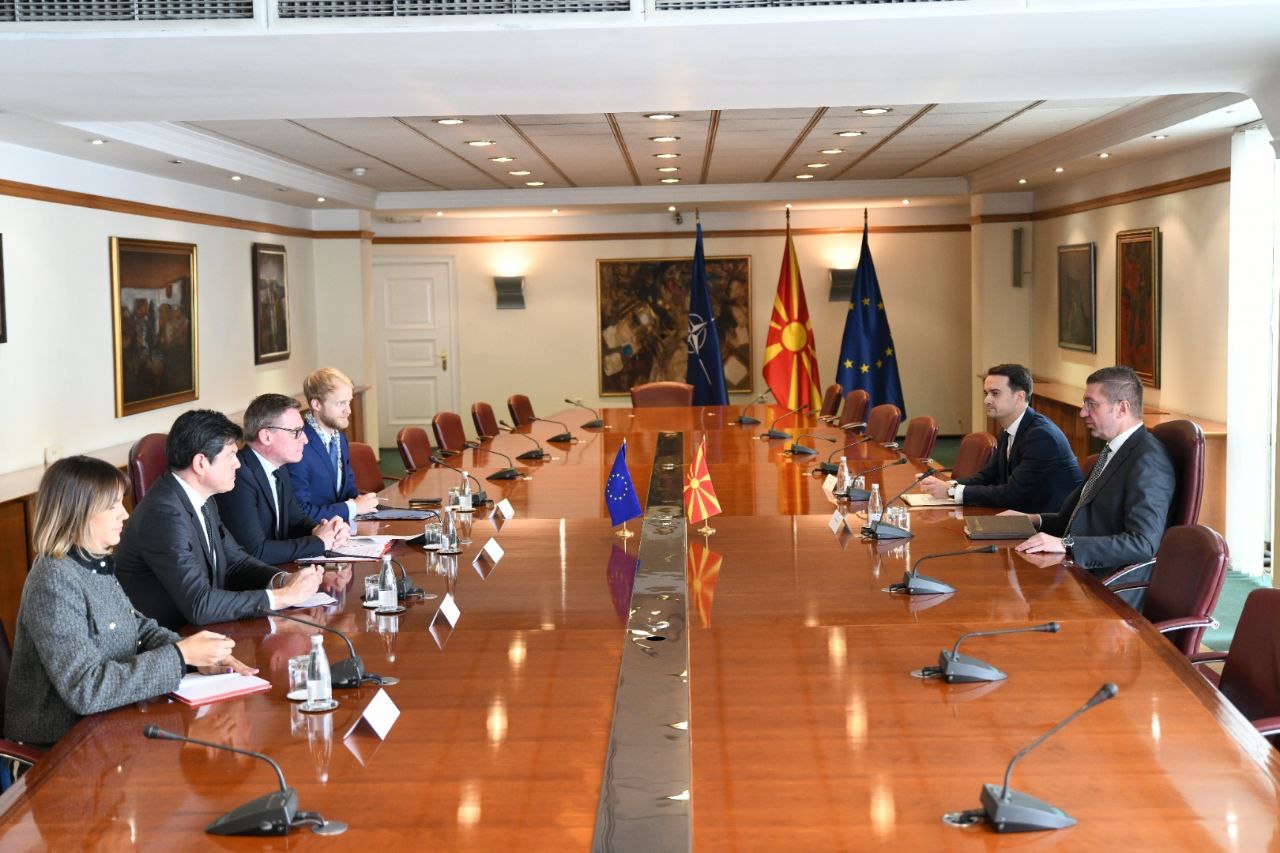 In addition to his participation in the Ministerial Meeting, President Röpke held a bilateral meeting with Prime Minister Hristijan Mickoski. The discussions centered on the EU accession process, the role of civil society, and the importance of maintaining momentum in North Macedonia’s integration path. Mr. Röpke reaffirmed the EESC's commitment to supporting North Macedonia on its journey toward EU membership and encouraged continued efforts to align with EU standards.
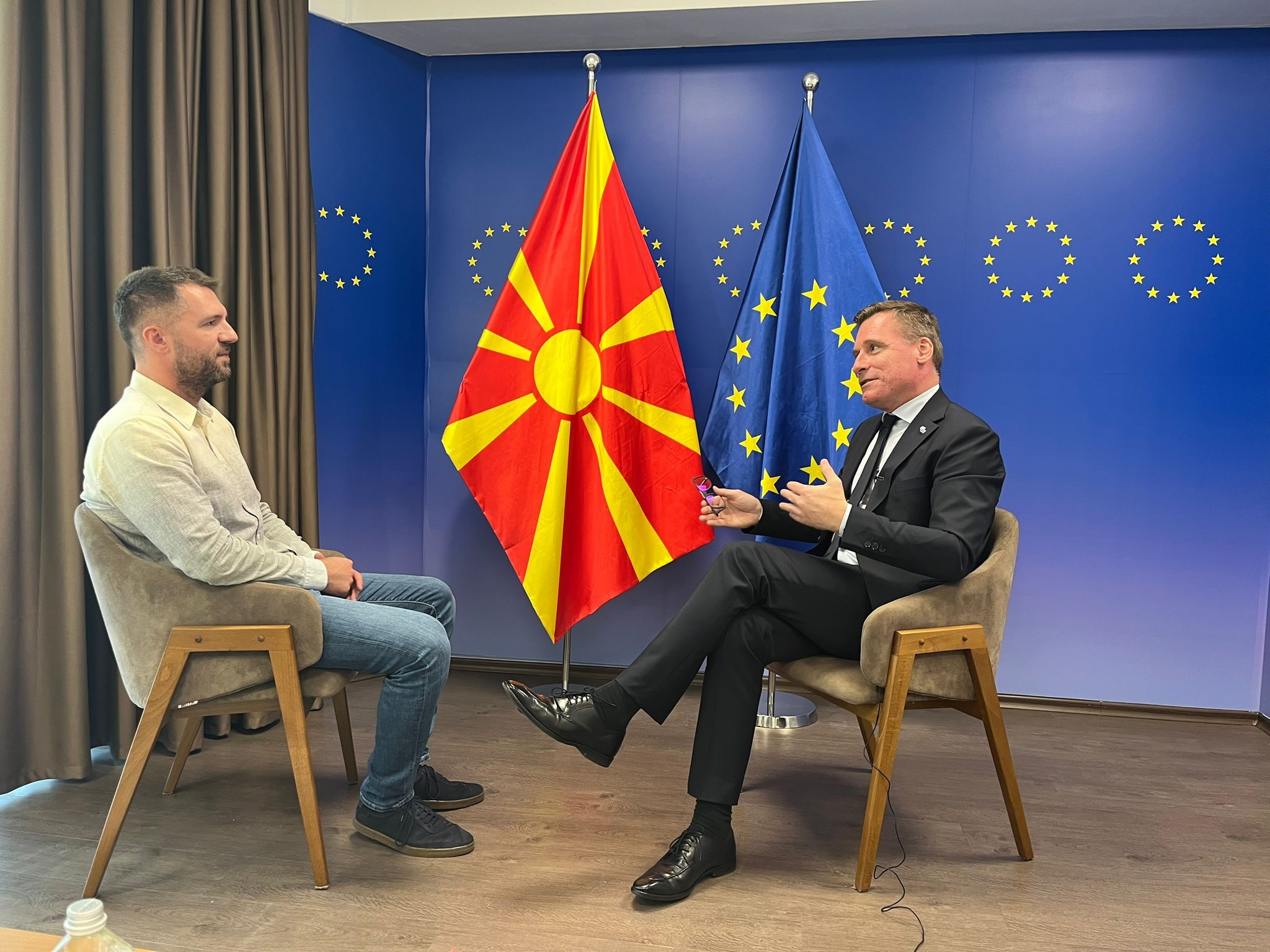 Furthermore, President Röpke was interviewed by the public broadcaster MRT's flagship show Agenda35, where he reiterated the importance of smart specialisation strategies and the role of civil society in the EU accession process. He stressed that the EESC will continue to advocate for a gradual, merit-based approach to EU enlargement, ensuring that the people of the Western Balkans are already benefiting from closer ties with the EU.
In a closing statement, Mr. Röpke reinforced that smart specialisation strategies are key for fostering job creation, sustainable economic development, and enhancing competitiveness, benefitting both the region and its EU partners.
Recommended for you
Toghadh Séamus Boland ina Uachtarán ar Choiste Eacnamaíoch agus Sóisialta na hEorpa, agus gheall sé go gcuirfear an tsochaí shibhialta i gcroílár na hEorpa
News
Toghadh Séamus Boland na hÉireann ar an 35ú Uachtarán ar Choiste Eacnamaíoch agus Sóisialta na hEorpa (CESE) le haghaidh an téarma oifige 2025-2028. Is urlabhra riamh anall é do phobail na tuaithe…
CESE, Uachtarántacht na hÉireann agus an fhís choiteann atá acu
News
I ndiaidh na díospóireachta a reáchtáladh le Comhaltaí CESE le linn sheisiún iomlánach mhí Iúil, níl aon dabht faoi ach go bhfuil clár Uachtaránacht reatha an Aontais ag freagairt go mór do na…
#YEYS2022: Ceist na bréagaisnéise pléite ag aos óg na hEorpa agus a dtuairimí ina leith curtha in iúl acu don Leas-Uachtarán Jourová
News
Chuir daltaí meánscoile ó gach cearn den Eoraip ocht gcinn de thograí nithiúla faoi bhráid Leas-Uachtarán an Choimisiúin Eorpaigh um Luachanna agus um Thrédhearcacht, Věra Jourová. Bhí páirt á…
#CivilsocietyforUkraine
News
Cáineann CESE ionradh Rialtas na Rúise ar an Úcráin, ionradh atá gan údar agus gan chúis Rún ó Choiste Eacnamaíoch agus Sóisialta na hEorpa (CESE) maidir leis an gcogadh san Úcráin agus an tionchar…
Eagrán speisialta de CESE info
News
Eagrán speisialta de CESE info atá dírithe ar an Úcráin. Is féidir scéal Tetyana Ogarkova a léamh, bean a chuala fuaim ionradh na Rúise ar dhúiseacht di an 24 Feabhra.