
European Economic
and Social Committee
EESC's First Ever Participation in Western Balkans Annual Ministerial Meeting

EESC President Oliver Röpke attended the "Ministerial Meeting of the Western Balkans Steering Platforms on Education and Training, Research and Innovation, and Culture" in Skopje, North Macedonia, on the 29 and 30 September. This marks the first time the European Economic and Social Committee (EESC) and its President participated in this pivotal event, signaling an important step in enhancing cooperation between the EU and the Western Balkans.
The annual meeting gathers key stakeholders from the EU and the Western Balkans region to discuss shared policy challenges and cooperation. Several senior EU officials, including Commissioner Iliana Ivanova, and representatives and ministers from Western Balkan states, also took part.
President Röpke participated in the panel "Best Practice on Smart Specialisation Strategies," where he emphasized the EESC's critical role in the enlargement process. He highlighted how the EESC supports civil society in the Enlargement Candidate Members (ECMs) and underscored the importance of adopting smart specialisation strategies in these countries to boost regional innovation and competitiveness. He noted that closing the socio-economic gap between the Western Balkans and the EU is crucial, and the EESC is committed to contributing to this goal.
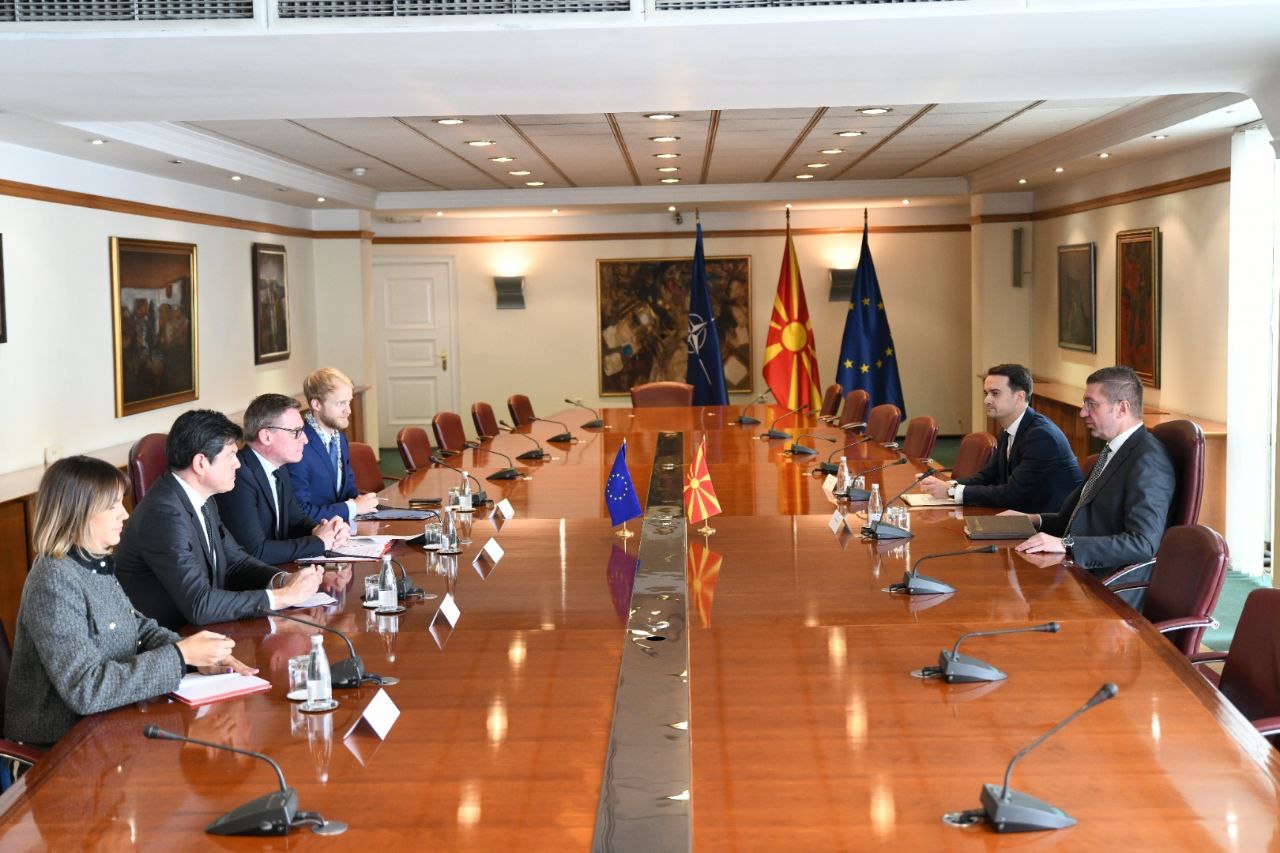 In addition to his participation in the Ministerial Meeting, President Röpke held a bilateral meeting with Prime Minister Hristijan Mickoski. The discussions centered on the EU accession process, the role of civil society, and the importance of maintaining momentum in North Macedonia’s integration path. Mr. Röpke reaffirmed the EESC's commitment to supporting North Macedonia on its journey toward EU membership and encouraged continued efforts to align with EU standards.
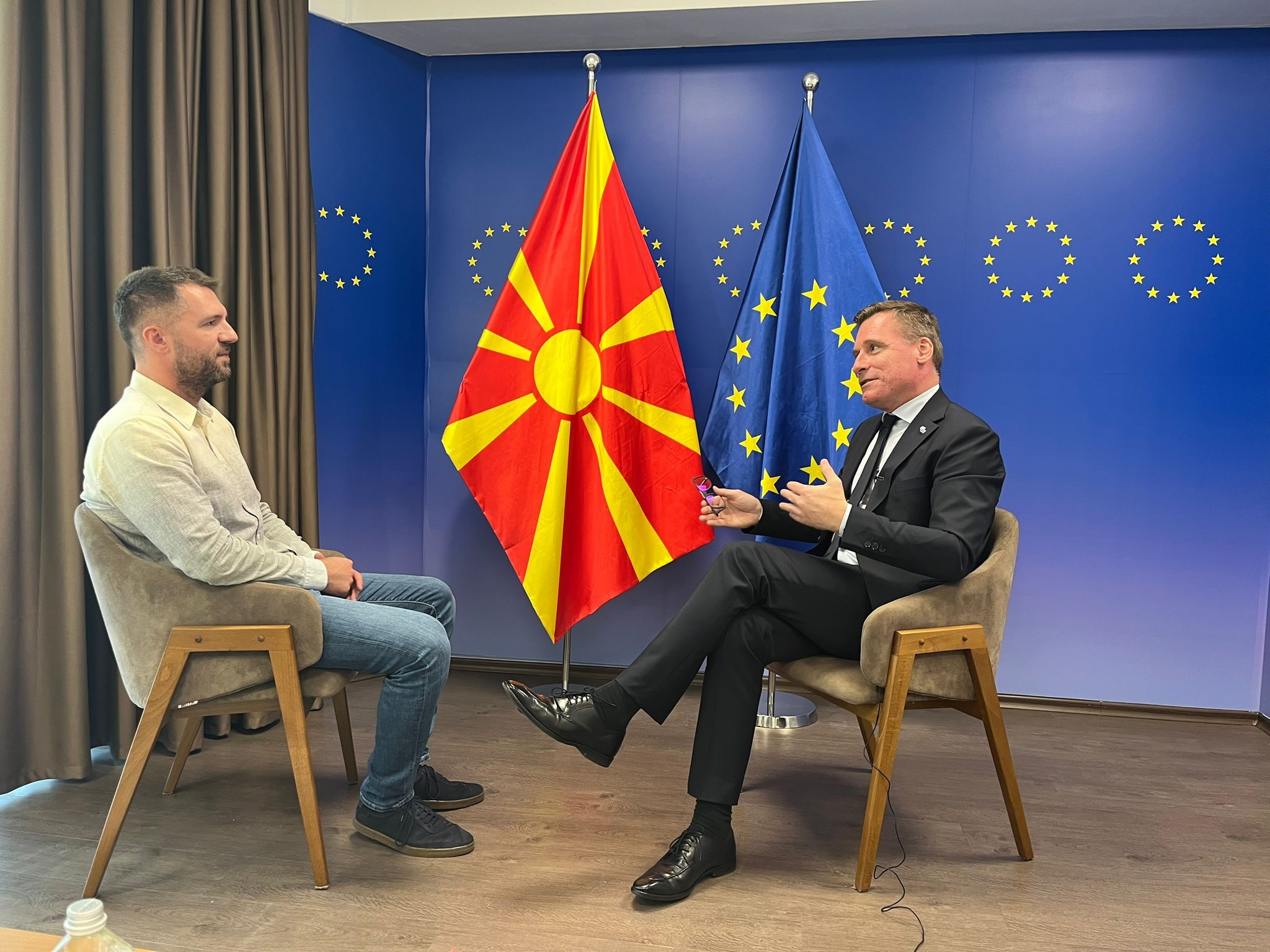 Furthermore, President Röpke was interviewed by the public broadcaster MRT's flagship show Agenda35, where he reiterated the importance of smart specialisation strategies and the role of civil society in the EU accession process. He stressed that the EESC will continue to advocate for a gradual, merit-based approach to EU enlargement, ensuring that the people of the Western Balkans are already benefiting from closer ties with the EU.
In a closing statement, Mr. Röpke reinforced that smart specialisation strategies are key for fostering job creation, sustainable economic development, and enhancing competitiveness, benefitting both the region and its EU partners.
Recommended for you
YEYS! 2023: De unge ønsker et mere gennemsigtigt, digitalt og forenklet EU
News
Den 23.-24. marts var Det Europæiske Økonomiske og Sociale Udvalg (EØSU) vært for den 14. udgave af arrangement Dit Europa, din mening! (YEYS!), hvor 105 elever fra 35 skoler fra alle 27 EU…
EØSU åbner for ansøgninger til civilsamfundsprisen, som i år har fokus på mental sundhed
News
Civilsamfundsorganisationer, enkeltpersoner og private virksomheder kan nu indstille deres nonprofitprojekter til EØSU's pris til støtte for europæernes mentale trivsel Det Europæiske Økonomiske og…
Gør brug af din stemme i juni 2024: EØSU opfordrer europæerne til at stemme for et forenet og demokratisk Europa
News
Det går tilbage for demokratiet i store dele af verden, misinformationen florerer, og der er stadig større utilfredshed på grund af stigende inflation og truslen om krig, som lurer i baggrunden. Der…
Kunstig intelligens kan fremme behandlingen af sjældne sygdomme
News
På en konference afholdt i Danmark af Det Europæiske Økonomiske og Sociale Udvalg (EØSU) fremhævedes den afgørende rolle, som kunstig intelligens kan spille i udviklingen af nye fremtidsorienterede…
Det danske rådsformandskab vil arbejde for "et stærkt Europa i en verden i forandring"
News
I juli var Det Europæiske Økonomiske og Sociale Udvalgs (EØSU) plenarforsamling vært for en debat om de politiske prioriteter for det nuværende formandskab for Rådet for Den Europæiske Union. De…