
European Economic
and Social Committee
EESC's First Ever Participation in Western Balkans Annual Ministerial Meeting

EESC President Oliver Röpke attended the "Ministerial Meeting of the Western Balkans Steering Platforms on Education and Training, Research and Innovation, and Culture" in Skopje, North Macedonia, on the 29 and 30 September. This marks the first time the European Economic and Social Committee (EESC) and its President participated in this pivotal event, signaling an important step in enhancing cooperation between the EU and the Western Balkans.
The annual meeting gathers key stakeholders from the EU and the Western Balkans region to discuss shared policy challenges and cooperation. Several senior EU officials, including Commissioner Iliana Ivanova, and representatives and ministers from Western Balkan states, also took part.
President Röpke participated in the panel "Best Practice on Smart Specialisation Strategies," where he emphasized the EESC's critical role in the enlargement process. He highlighted how the EESC supports civil society in the Enlargement Candidate Members (ECMs) and underscored the importance of adopting smart specialisation strategies in these countries to boost regional innovation and competitiveness. He noted that closing the socio-economic gap between the Western Balkans and the EU is crucial, and the EESC is committed to contributing to this goal.
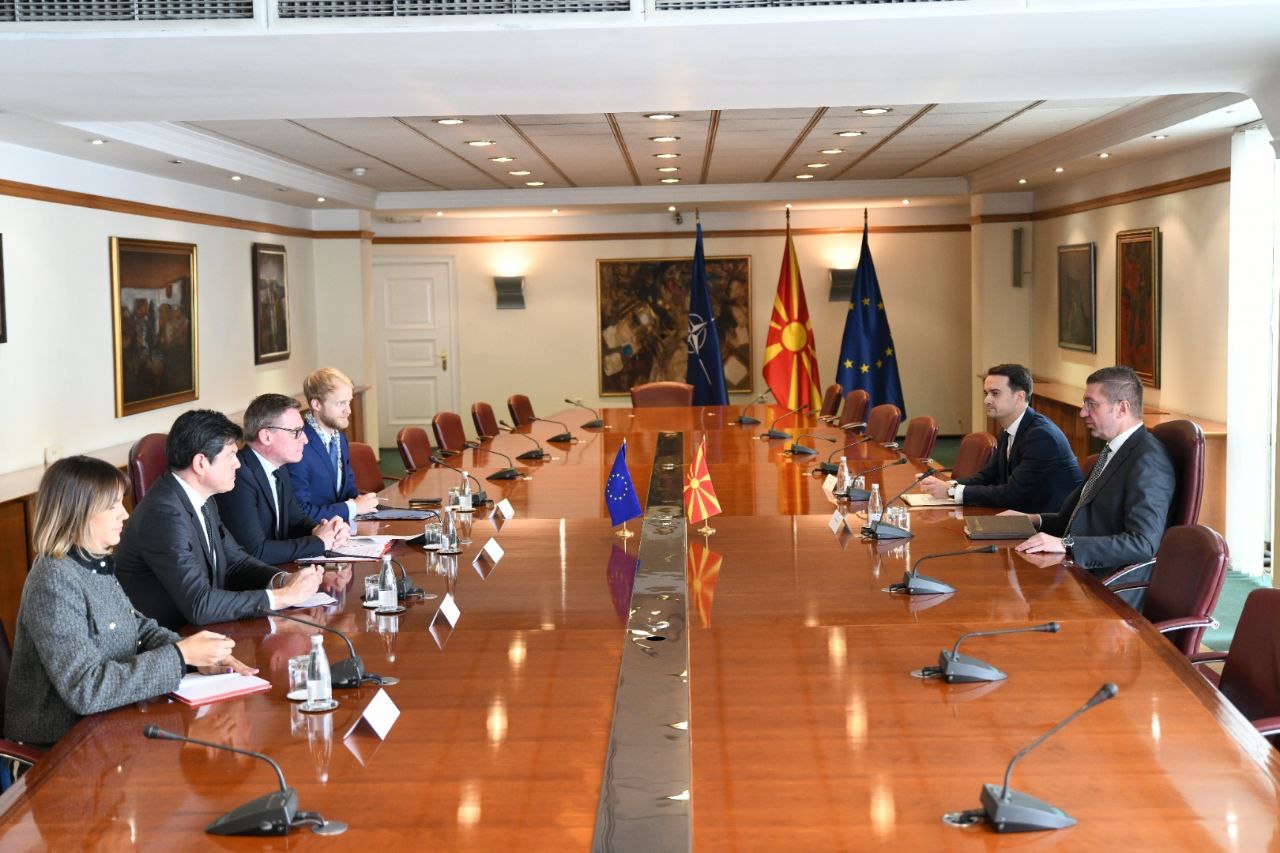 In addition to his participation in the Ministerial Meeting, President Röpke held a bilateral meeting with Prime Minister Hristijan Mickoski. The discussions centered on the EU accession process, the role of civil society, and the importance of maintaining momentum in North Macedonia’s integration path. Mr. Röpke reaffirmed the EESC's commitment to supporting North Macedonia on its journey toward EU membership and encouraged continued efforts to align with EU standards.
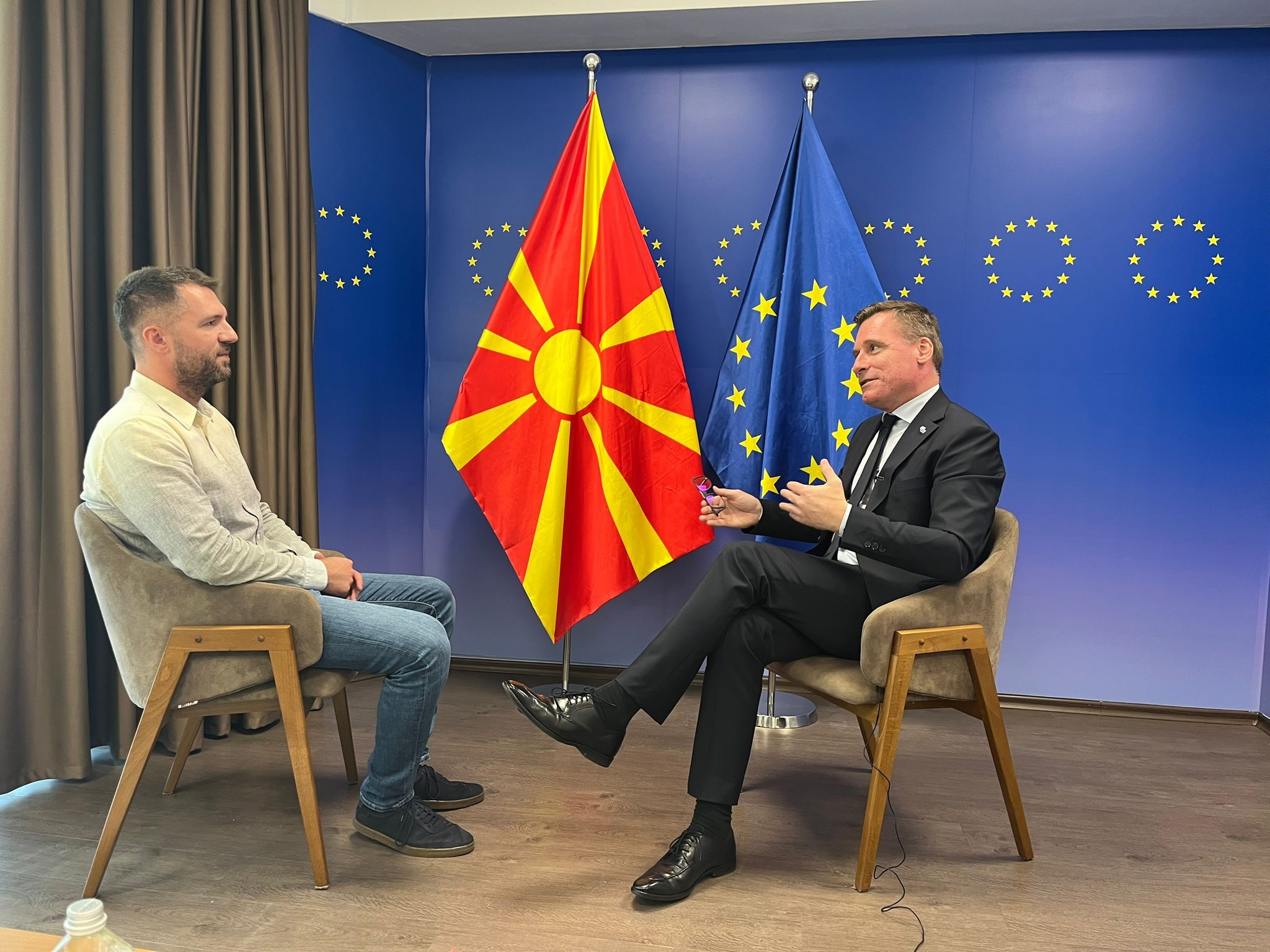 Furthermore, President Röpke was interviewed by the public broadcaster MRT's flagship show Agenda35, where he reiterated the importance of smart specialisation strategies and the role of civil society in the EU accession process. He stressed that the EESC will continue to advocate for a gradual, merit-based approach to EU enlargement, ensuring that the people of the Western Balkans are already benefiting from closer ties with the EU.
In a closing statement, Mr. Röpke reinforced that smart specialisation strategies are key for fostering job creation, sustainable economic development, and enhancing competitiveness, benefitting both the region and its EU partners.
Recommended for you
Skrajni čas za vlaganje v mlade na Zahodnem Balkanu
News
Da bi vlade držav Zahodnega Balkana svojim državljanom zagotovile boljšo prihodnost, se morajo lotiti reševanja težav, s katerimi se srečujejo mladi, ki imajo ključno vlogo pri njenem ustvarjanju.…
Vaša Evropa, vaš glas! v letu 2023: Mladi si želijo, da bi bila EU preglednejša, bolj digitalna in enostavnejša
News
Evropski ekonomsko-socialni odbor (EESO) je 23. in 24. marca gostil dogodek Vaša Evropa, vaš glas! Potekal je v Bruslju, udeležilo pa se ga je 105 dijakov 35 šol iz vseh 27 držav članic EU in sedem…
Začetek zbiranja prijav za nagrade za civilno družbo EESO na temo duševnega zdravja
News
Organizacije civilne družbe, posamezniki in zasebna podjetja lahko svoje nepridobitne projekte prijavijo za nagrado EESO, namenjeno spodbujanju duševnega zdravja Evropejcev Evropski ekonomsko…
Oddajte svoj glas junija 2024: EESO poziva Evropejce, naj volijo za enotno in demokratično Evropo
News
Demokracija po vsem svetu nazaduje, širijo se dezinformacije in vse več je nezadovoljstva zaradi naraščajoče inflacije ter preteče nevarnosti vojne, zato so letošnje evropske volitve, na katerih bodo…
Ohranjanje zagona širitve EU: prizadevanje civilne družbe, da bi s postopnim vključevanjem prinesla koristi Zahodnemu Balkanu
News
Evropski ekonomsko-socialni odbor (EESO) je 20 let po pristopu Slovenije k EU v Ljubljani zbral politične voditelje in voditelje civilne družbe, da bi obeležili to simbolično obletnico in poudarili…