
European Economic
and Social Committee
Civil society: a cornerstone of the enlargement process
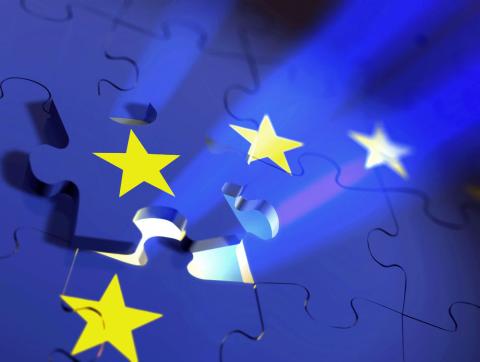
As the European Union advances its engagement with the Western Balkans, Ukraine and Moldova, one thing is clear: successful enlargement depends not only on funding and reforms, but on strong civil society ownership. Civil society and social partners must be placed at the heart of this process.
In our Opinion on the role of civil society in supporting reform under the Growth Plans, we stress that all three EU Facilities for the Western Balkans, Ukraine and Moldova should systematically embed civil society engagement as a structural governance condition. This is essential to ensure the long‑term sustainability, credibility and legitimacy of reforms linked to EU accession.
Civil society ownership of the reform agendas must go beyond ad‑hoc consultations. The EESC calls for a permanent, active, structured and formally institutionalised role for social partners and civil society organisations, working alongside national authorities. Governments are encouraged to establish clear frameworks for social dialogue that involve nationally representative organisations of employers, workers and civil society, while fully respecting the autonomy and specific role of social partners.
EU funding should support full preparation for EU membership, in line with the European social and economic model. Financial support must therefore go beyond technical alignment with the Single Market and actively promote social dialogue, inclusive growth and democratic governance.
But speed must not come at the expense of democracy. We warn against tight deadlines being used to bypass proper legislative processes, public debate or mandatory consultation. Emergency procedures should never justify the exclusion of social partners and civil society from decision‑making.
To strengthen accountability, we recommend clear and public European Commission guidance on how progress under the Reform Agendas is assessed, including transparent verification standards and how reversals of previously fulfilled conditions are handled. It also calls for predictable, sustainable and multi‑annual funding for civil society organisations and social partners, through transparent financial mechanisms.
Finally, we call on the European Commission to build on mid‑term assessments of the current Facilities and further improve the design and implementation of present and future performance‑based enlargement instruments.
By placing civil society and social partners at the core of governance, the EU can ensure that enlargement reforms are not only fast, but fair, inclusive and lasting, strengthening both candidate countries and the Union itself.
By Oleg Roibu, EESC Employers' Group member and Rapporteur of Opinion REX/612 – Civil Society’s Role in Supporting Reform under the Growth Plans for the Western Balkans and Moldova, as well as in Ukraine’s Reform Path.
Work organisation
Recommended for you
„Sinu Euroopa, Sinu arvamus“ 2023: noored soovivad läbipaistvamat, digitaalsemat ja lihtsamat ELi
News
23. ja 24. märtsil korraldas Euroopa Majandus- ja Sotsiaalkomitee 14. korda ürituse „Sinu Euroopa, Sinu arvamus“. Üritus tõi Brüsselisse 105 õpilast 35 koolist kõigist 27…
Algab kandideerimine Euroopa Majandus- ja Sotsiaalkomitee kodanikuühiskonna auhinnale, mille teemaks on vaimne tervis
News
Kodanikuühiskonna organisatsioonid, üksikisikud ja eraettevõtted saavad nüüd esitada oma mittetulunduslikke projekte, et konkureerida Euroopa Majandus- ja Sotsiaalkomitee auhinnale, mis on pühendatud…
Valimised 2024. aasta juunis: Euroopa Majandus- ja Sotsiaalkomitee kutsub eurooplasi üles hääletama ühtse ja demokraatliku Euroopa poolt
News
Uue Euroopa Parlamendi valimistel on palju kaalul, sest demokraatia on nõrgenemas kogu maailmas, desinformatsioon on laialt levinud ja rahulolematus kasvab, kuna inflatsioon kiireneb ja sõjaoht…
TENi sektsiooni esimees Baiba Miltoviča ja Euroopa Regioonide Komitee raportöör Andres Jaadla kirjutavad alla elamumajandust käsitlevale deklaratsioonile
News
14. novembril 2024 allkirjastatud ühisavalduses kutsuvad Euroopa Majandus- ja Sotsiaalkomitee transpordi, energeetika, infrastruktuuri ja infoühiskonna sektsiooni (TEN) esimees Baiba…
EL peab transpordisektori CO2 heite vähendamiseks viivitamatult keskenduma saastevabale vesinikule
News
Eestis toimunud konverentsil rõhutati, et vähese CO2 heitega vesinik on energiasüsteemi eduka ümberkujundamise põhielement, mille potentsiaali arendamiseks on aga vaja taristut ja rahastamist.Ürituse…