
European Economic
and Social Committee
Civil society: a cornerstone of the enlargement process
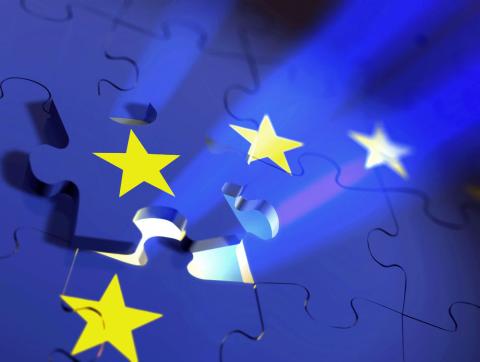
As the European Union advances its engagement with the Western Balkans, Ukraine and Moldova, one thing is clear: successful enlargement depends not only on funding and reforms, but on strong civil society ownership. Civil society and social partners must be placed at the heart of this process.
In our Opinion on the role of civil society in supporting reform under the Growth Plans, we stress that all three EU Facilities for the Western Balkans, Ukraine and Moldova should systematically embed civil society engagement as a structural governance condition. This is essential to ensure the long‑term sustainability, credibility and legitimacy of reforms linked to EU accession.
Civil society ownership of the reform agendas must go beyond ad‑hoc consultations. The EESC calls for a permanent, active, structured and formally institutionalised role for social partners and civil society organisations, working alongside national authorities. Governments are encouraged to establish clear frameworks for social dialogue that involve nationally representative organisations of employers, workers and civil society, while fully respecting the autonomy and specific role of social partners.
EU funding should support full preparation for EU membership, in line with the European social and economic model. Financial support must therefore go beyond technical alignment with the Single Market and actively promote social dialogue, inclusive growth and democratic governance.
But speed must not come at the expense of democracy. We warn against tight deadlines being used to bypass proper legislative processes, public debate or mandatory consultation. Emergency procedures should never justify the exclusion of social partners and civil society from decision‑making.
To strengthen accountability, we recommend clear and public European Commission guidance on how progress under the Reform Agendas is assessed, including transparent verification standards and how reversals of previously fulfilled conditions are handled. It also calls for predictable, sustainable and multi‑annual funding for civil society organisations and social partners, through transparent financial mechanisms.
Finally, we call on the European Commission to build on mid‑term assessments of the current Facilities and further improve the design and implementation of present and future performance‑based enlargement instruments.
By placing civil society and social partners at the core of governance, the EU can ensure that enlargement reforms are not only fast, but fair, inclusive and lasting, strengthening both candidate countries and the Union itself.
By Oleg Roibu, EESC Employers' Group member and Rapporteur of Opinion REX/612 – Civil Society’s Role in Supporting Reform under the Growth Plans for the Western Balkans and Moldova, as well as in Ukraine’s Reform Path.
Work organisation
Recommended for you
Sabiedrisko pakalpojumu līdzradīšana veselības nozarē būs ieguldījums līdzdalības demokrātijas stiprināšanā Eiropas Savienībā
News
Šajā pasākumā, ko organizēja Eiropas Ekonomikas un sociālo lietu komiteja (EESK) un Debrecenas Universitāte, tika uzsvērts, cik būtiska ir vispārējas nozīmes pakalpojumu līdzradīšana veselības un…
Eiropas Savienībai ir vajadzīgs rīcības plāns, lai nodrošinātu cenas ziņā pieejamus un kvalitatīvus mājokļus
News
Augsta līmeņa konferencē, ko Rīgā rīkoja Eiropas Ekonomikas un sociālo lietu komiteja (EESK), tika paustas bažas par cenas ziņā pieejamu mājokļu krīzi un izskanēja brīdinājumi, ka Eiropas Savienībai…
Migrantu instrumentalizācija un Ukrainas bēgļu krīze liek no jauna pievērsties migrācijas politikai
News
Valsts finansētā migrantu instrumentalizācija, kuras mērķis ir destabilizēt ES, un pašreizējais karš Ukrainā, kas novedis pie vēl nepieredzēta bēgļu pieplūduma, liek pārskatīt Eiropas migrācijas…
“JŪSU EIROPA, JŪSU LĒMUMI” 2023. gadā jaunieši prasa pārredzamāku, digitālāku un vienkāršotāku Eiropas Savienību
News
23. un 24. martā Eiropas Ekonomikas un sociālo lietu komitejā 14. reizi norisinājās pasākums “Jūsu Eiropa, jūsu lēmumi”, kurā piedalījās 105 skolēni no 35 skolām. Jaunieši bija ieradušies no visām…
#EnergyPoverty – enerģētiskā nabadzība sievietes skar vairāk nekā vīriešus
News
Ekonomisku, fizioloģisku, sociālu un kultūras iemeslu dēļ enerģētiskā nabadzība sievietes var skart vairāk nekā vīriešus. Ņemot vērā jaunākos satraucošos statistikas datus, Eiropas Ekonomikas un…